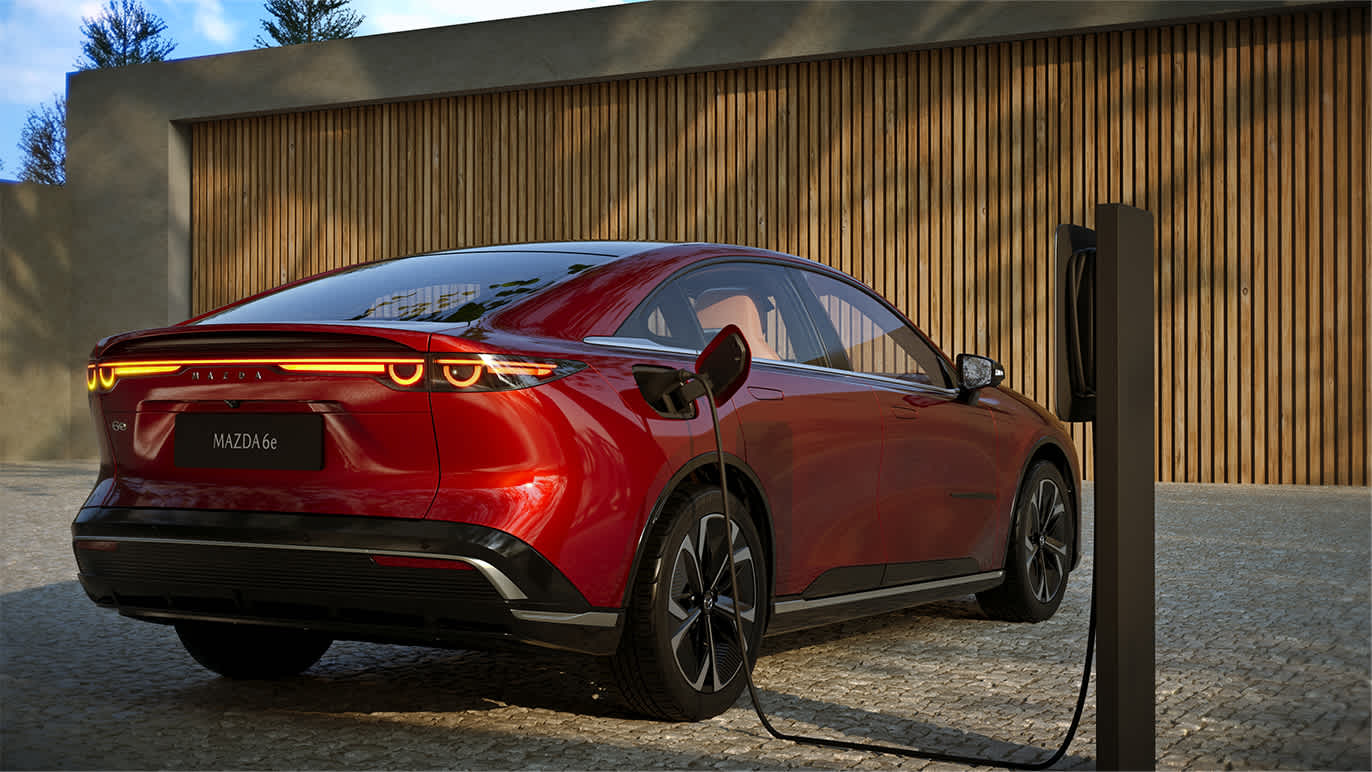
Mazda 6e represents a radical pivot for a brand that previously treated electrification with a heavy dose of skepticism. For years, the Hiroshima-based manufacturer clung to its “Right Sizing” philosophy, championing internal combustion while others rushed headlong into the battery-electric fray. After the lukewarm reception of the TopGear-panned MX-30, Mazda finally has a serious contender. The 2026 Mazda 6e arrives not as a quirky experiment, but as a direct assault on the dominant Tesla Model 3 and the surging BYD Seal.
Mazda 6e Performance and the Chinese Connection
Mazda bases the 6e on the Deepal L07 architecture, a product of its joint venture with Changan. This marks a significant shift in manufacturing strategy, as these units represent the first Chinese-built Mazdas to reach Australian shores. While purists might scoff at the shared DNA, the specifications suggest a vehicle ready for the modern EV market trends.
The rear-mounted electric motor produces a healthy 190kW and 290Nm of torque. Unlike the all-wheel-drive monsters found in the Tesla or BYD catalogs, Mazda keeps things strictly rear-drive for now. This configuration promises the balanced handling characteristics that define the brand, even if it lacks the neck-snapping 0-100km/h sprints of its dual-motor rivals. Engineers focused on linear power delivery, aiming to replicate the “Jinba Ittai” philosophy—the oneness between horse and rider—within a silent, digital framework.
Range and Charging Superiority
The headline figure for the Mazda 6e remains its impressive 560km WLTP range. Mazda utilizes a 78kWh lithium-iron-phosphate (LFP) battery pack, which offers better longevity and safety than traditional nickel-manganese-cobalt chemistries. This range eclipses both the Kia EV4 and the standard BYD Seal by nearly 100km, positioning the 6e as a legitimate long-distance cruiser.
Charging performance also sees a massive leap forward. The 6e supports DC fast charging that replenishes the battery from 30 to 80 percent in just 15 minutes. In a market where charging anxiety still dictates consumer behavior, these figures provide Mazda with a significant competitive edge. It outpaces several established players that still struggle to maintain high charging curves beyond the 50 percent mark.
Interior Luxury and Digital Architecture
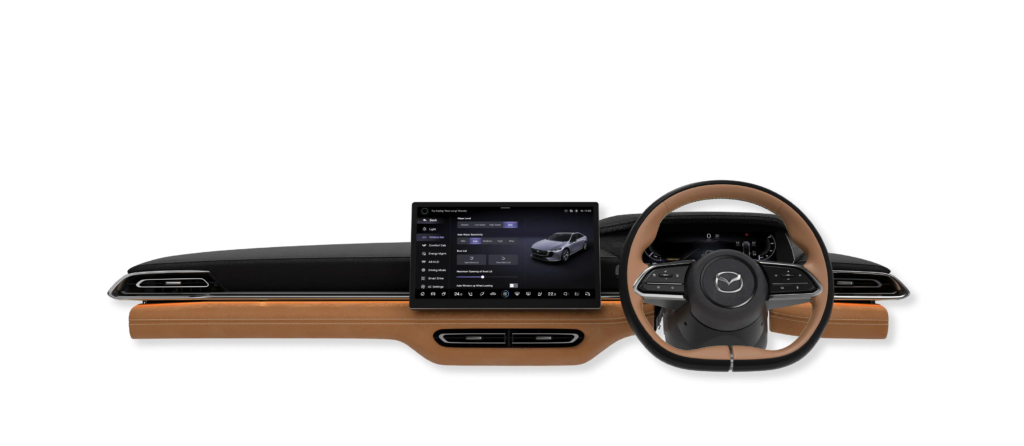
Inside, the Mazda 6e ditches the minimalist, button-heavy interiors of the CX-60 and CX-90 for a screen-forward approach. A 14.6-inch central touchscreen dominates the dashboard, supported by a 10.2-inch digital driver display. While Mazda previously insisted that rotary controllers were safer for drivers, the 6e embraces the touch-interface reality of the 2020s.
Standard features include heated and ventilated front seats, a must-have in the harsh Australian climate. For those seeking more flair, the GT variant offers a $1,000 optional beige interior trim that elevates the cabin from “premium” to “luxury.” The build quality appears to mirror the high standards set by the Car and Driver favorite Mazda 6 sedan of old, despite the new manufacturing origin.
Market Strategy and Pricing War
Mazda prices the 6e with surgical precision. Starting at $49,990 for the GT and rising to $52,990 for the flagship Atenza, the brand positions itself directly against the MotorTrend-leading Tesla Model 3. To sweeten the deal for early adopters, Mazda offers a free upgrade to the Atenza grade for the first 300 customers who pre-order a GT.
This aggressive pricing reflects the pressure of Australia’s New Vehicle Efficiency Standards (NVES). Mazda needs high-volume, zero-emission sales to offset its fleet of petrol-hungry SUVs. The 6e serves as the vanguard for this strategy, soon to be followed by the CX-6e SUV.
Safety and Compliance
While the Mazda 6e packs a comprehensive suite of active safety tech, it currently lacks an ANCAP crash test rating. The brand historically performs well in these assessments, and the inclusion of advanced driver assistance systems (ADAS) suggests a five-star ambition. The 6e includes autonomous emergency braking, lane-keep assist, and traffic sign recognition as standard equipment across both variants.
The arrival of the 6e signals the end of the “wait and see” era for Mazda. By leveraging a proven Chinese EV platform and wrapping it in Japanese design sensibilities, Mazda creates a compelling middle ground. It offers more range than the Kia, more traditional brand equity than BYD, and a more focused driving experience than Tesla.
Australia receives the first units in July, marking a pivotal moment for the local automotive landscape. As the 6e rolls off the production line, it carries the weight of Mazda’s electric future on its sleek, aerodynamic shoulders. The brand finally has a car that doesn’t just participate in the EV conversation—it leads it.
Technical Specifications Breakdown:
* Motor: Single rear-mounted (190kW / 290Nm)
* Battery: 78kWh LFP
* Range: 560km (WLTP)
* Charging: 30-80% in 15 mins (DC)
* Screen: 14.6-inch Infotainment
* Price: From $49,990 AUD