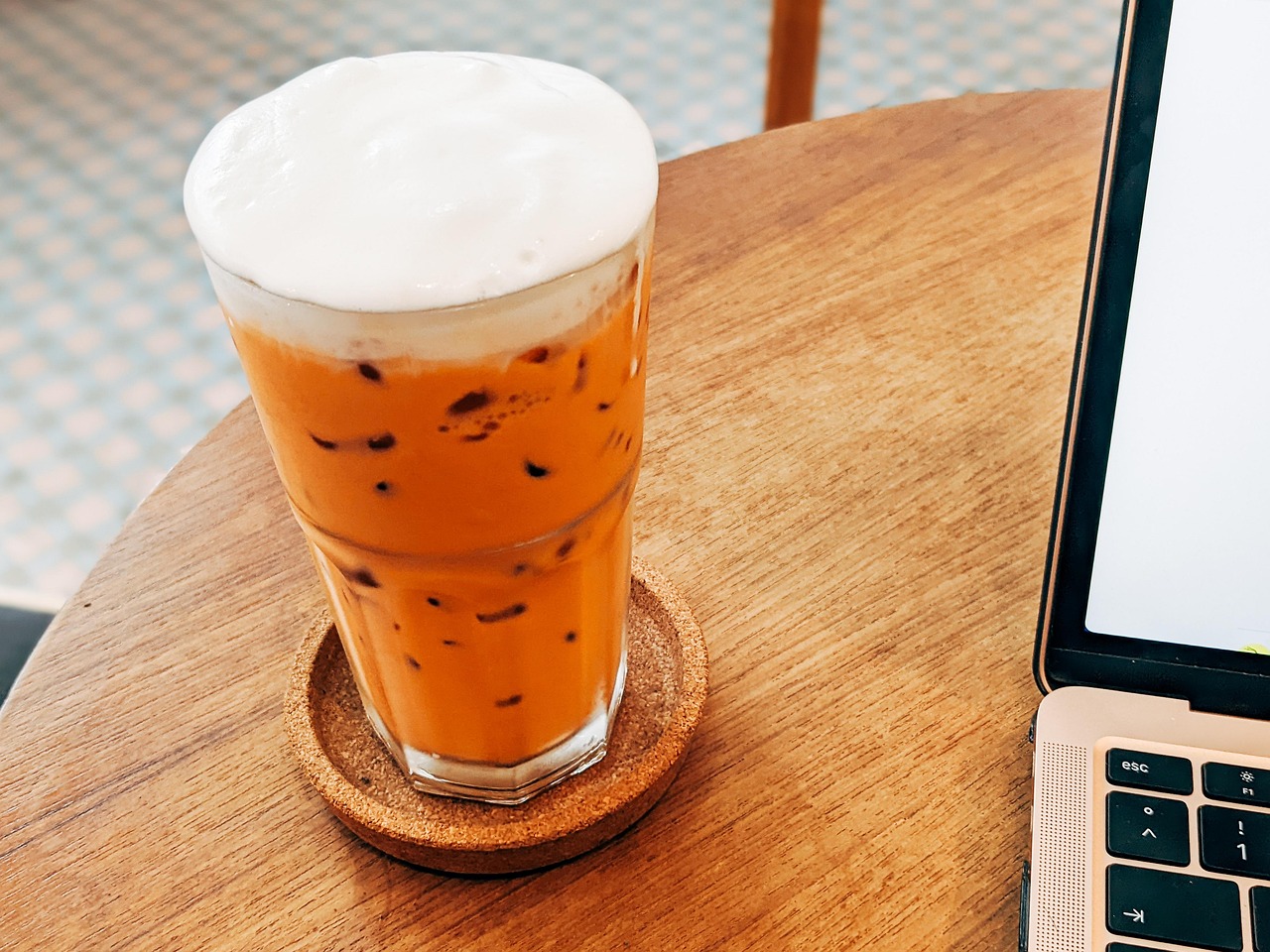
The Thailand sugar regulation is fundamentally changing how the nation enjoys its beverages. For decades, the sensory hallmark of a Thai afternoon has been the clinking of ice against a plastic cup. Specifically, these cups often contain liquids so saccharine they could arguably power a small engine. Whether it is the iconic orange hue of Cha Yen (Thai Milk Tea) or the deep pull of an Oliang (Thai Iced Coffee), sweetness has been a cultural embrace. However, the Department of Health is now staging a quiet revolution to prioritize flavor over refined sugar.
How the Thailand Sugar Regulation Nudges the Public
Dr. Amphon Benjapolpitak, Director-General of the Department, recently announced a shift regarding psychology and physiology. By early 2026, a 50 percent sweetness level will become the baseline for every beverage served. This policy is a masterful exercise in “choice architecture.” Consequently, it avoids the heavy-handedness of a ban. Instead, it utilizes the power of the default setting to improve public health across the kingdom.
When a standard cup of coffee is handed to a customer in 2026, it will contain about 3.5 teaspoons of sugar. To the uninitiated, this might seem like a minor adjustment. But in Thailand, beverages have historically served as a primary source of daily calories. Therefore, this represents a monumental shift in the national flavor profile. Furthermore, it is a nudge toward sustainability for the human body.
![Infographic showing the transition of sugar levels in Thai drinks]
Major Brands Adopting the Thailand Sugar Regulation
The success of such a sweeping change depends entirely on its gatekeepers. Because of this, the Thai government has formed a sophisticated alliance with retail and fuel industry leaders. We are seeing a rare alignment between public health and corporate giants. For instance, Cafe Amazon and Inthanin are leading the charge at rest stops nationwide.
In addition to these roadside cafes, urban brands are signaling their participation. Names like All Cafe and Kadsan Bellini are now working alongside the Thai Coffee Association. Dr. Pakorn Tungkasereerak notes that these brands do not need to reinvent their menus. They simply need to make the healthier version the “normal” one. By shifting the baseline, they change the habits of millions. You can also explore our [internal link on corporate wellness trends] to see how this fits into a larger global pattern.
Flavor Benefits of the Thailand Sugar Regulation
As a food critic, I find the most compelling aspect of the Thailand sugar regulation to be the liberation of flavor. For too long, high sugar content has acted as a veil. It masks the nuanced notes of the region’s burgeoning coffee and tea industries. Thailand is rapidly becoming a global hub for specialty coffee. High-altitude Arabica beans from Doi Chang offer chocolatey and citrusy profiles that deserve to be tasted.
When you reduce the sugar, you allow the terroir to take center stage. You begin to taste the floral fragrance of the tea leaves. Moreover, you experience the earthy depth of the bean. This policy forces a sophisticated evolution. If a drink is no longer “sugar-forward,” the quality of the base ingredients must rise. It is a move toward a more authentic culinary experience. This is “Contextual Wellness” at its finest. Learn more about this in our guide to [internal link on luxury Thai tea culture].

A New Era of Wellness Travel
This regulatory shift mirrors the global “Soft Life” and “Bio-hacking” movements. These trends currently dominate the luxury travel sector. Modern high-end travelers no longer look for mindless indulgence. Instead, they seek destinations that facilitate a better version of themselves. Consequently, Thailand’s proactive stance on sugar positions the country as a leader in this curated-health experience.
As the campaign kicks off in mid-February 2026, Bangkok will become a living laboratory for longevity. Under the guidance of the Nutrition Division, even small street stalls are encouraged to join. This creates a fascinating balance between preserving heritage and adapting to modern health.
The next time you are in a cafe overlooking the Chao Phraya River, savor the change. The sweetness hasn’t vanished; it has simply matured. In the new Thailand, the ultimate luxury is a long, healthy life. Every intentional, perfectly balanced sip brings us closer to that goal. This is not just a policy. It is the birth of a more discerning national palate.