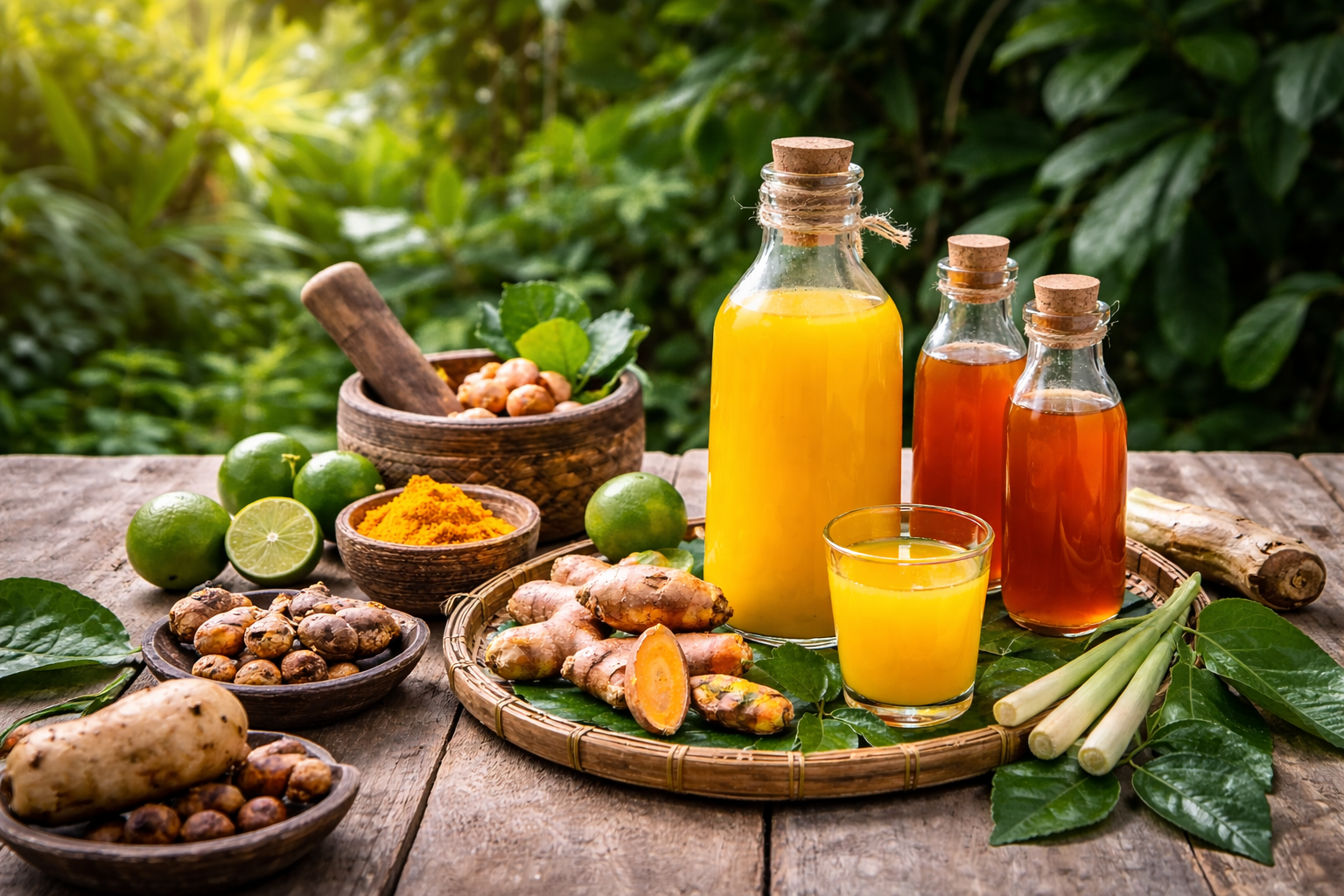
The aroma of freshly bruised turmeric and ginger hits you before the glass even touches your lips. It smells earthy, sharp, and undeniably ancient. This drink is traditional Indonesian Jamu. This vibrant, sunset-hued tonic has served as the heartbeat of Southeast Asian wellness for over 1,300 years. Consequently, while the Western world now loves “turmeric lattes,” Indonesians started this trend centuries ago in the royal courts of Central Java. Today, this liquid heritage is moving beyond “home remedy” status to lead the global wellness movement.
A Royal Legacy in Every Sip
To understand why traditional Indonesian Jamu is famous today, we must look back many centuries. Furthermore, no laboratory or modern marketing team created this product. It came from the keraton—the Javanese palaces. Originally, royal herbalists guarded Jamu as a secret. They created these formulas to ensure the health, energy, and beauty of kings and queens.
Ibu Lilik is a third-generation herbalist in Bali. She observes that Jamu is far more than a simple beverage. Specifically, it represents a map of Indonesia’s rich volcanic soil and plants. You can [read more about our guide to herbal ingredients] here to see how these plants grow. The core philosophy is keseimbangan, or balance. In addition, the Javanese view health as a state of balance between the body, the spirit, and nature. Every mix of ginger, galangal, and tamarind is a deliberate attempt to restore that harmony.
The Cultural DNA of the Indonesian Home
For most Indonesians, Jamu is like “chicken soup” for the soul. For example, a mother will grate fresh kunyit (turmeric) the moment a child feels a fever. Turmeric has many proven health benefits, according to this recent medical study on curcumin. Ochi Latjuba, the co-owner of the restaurant Wayan in New York, grew up with these turmeric-tamarind drinks. By bringing these recipes to Manhattan, she is not just serving a drink; she is sharing a memory.
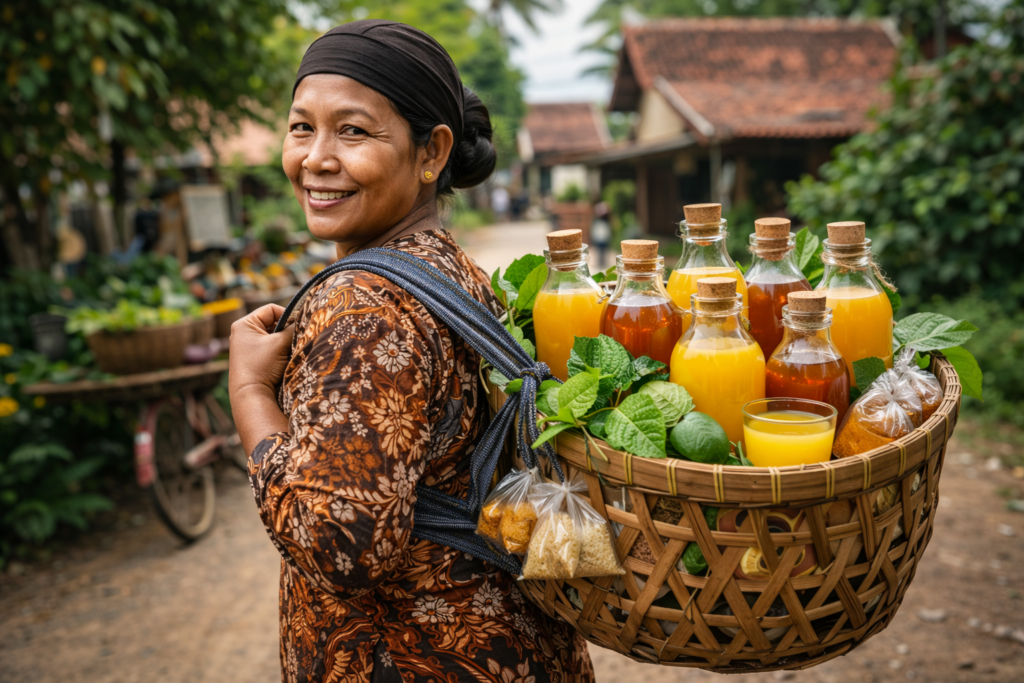
This cultural history makes traditional Indonesian Jamu different from generic supplements. In the past, the Jamu Gendong—women who walked through villages with heavy bamboo baskets—carried this tradition. This human connection remains an essential ingredient. Consequently, modern juice bars are now trying to copy this personal touch.
From the Streets of Jakarta to SoHo Lofts
The modern shift for Jamu is a masterclass in cultural branding. In Jakarta, new establishments like Acaraki have changed the experience. They use tools from specialty coffee, such as espresso machines, to extract the essence of dried roots. Therefore, this “New Wave Jamu” appeals to a younger group that wants health without the bitter taste.
Meanwhile, the trend is growing in the United States. Brands like Djamu now offer cold-pressed versions of these ancient tonics to health-conscious buyers. Shanley Alya Suganda, the founder of Djamu, notes that modern consumers want authenticity. They do not just want a “wellness shot”; they want a story. Because of this, entrepreneurs are making the flavors friendlier for Western palates while keeping the herbs pure.
The Alchemy of 15,000 Recipes
What makes traditional Indonesian Jamu fascinating to the culinary world is its variety. Scholars have documented an estimated 15,000 Jamu recipes across the islands. Each region uses what the land provides. For instance, some areas focus on Beras Kencur (rice and ginger) for energy. Other regions prefer Kunyit Asam (turmeric and tamarind) for detoxing.
The complex flavors—bitter, sweet, spicy, and sour—now attract the attention of expert mixologists. In fact, we are seeing Jamu-inspired cocktails where the medicinal bite of ginger provides a deep alternative to sugary mixers. This move into the “lifestyle” space proves that Jamu is versatile. It can easily move from a simple wooden hut to a marble bar in SoHo.
A Tonic for the Body and Soul
Ultimately, the global rise of traditional Indonesian Jamu shows our need for nature. In an era of digital noise, people want something grounded in the earth. Jamu offers a link to a slower, more intentional way of living. Therefore, as the international community drinks this golden elixir, we must hope its soul remains intact.
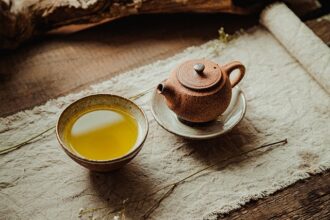
It is not merely a “bio-hack” or a trend to discard when the next superfood arrives. Instead, it is a 1,300-year-old conversation with nature. Every sip is a taste of heritage. Whether you drink it from a clay cup in a Javanese village or a glass bottle in New York, traditional Indonesian Jamu reminds us to look back at the wisdom of the roots.
To explore more stories about food and culinary culture, visit Food.