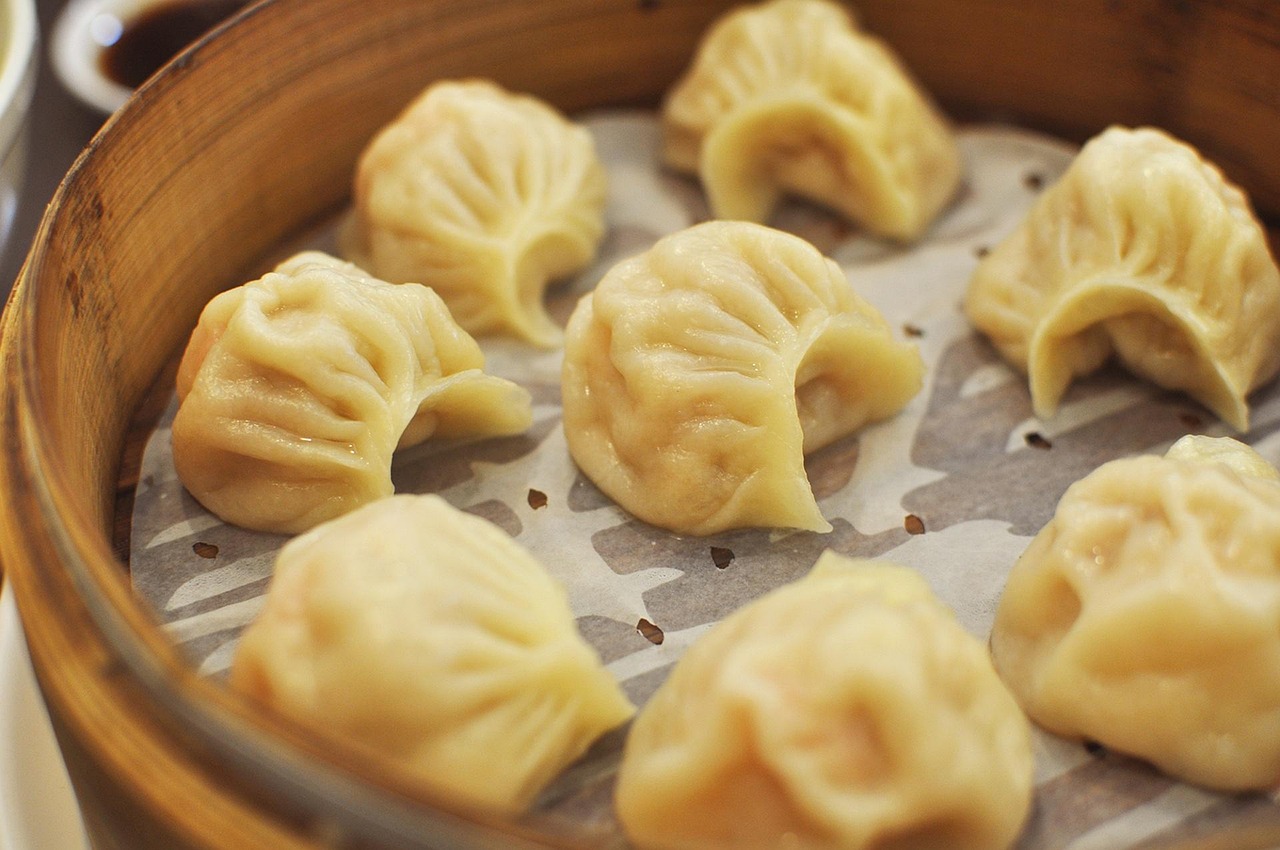
A specific kind of music exists only in the heart of a bustling Cantonese teahouse. You hear the rhythmic clatter of bamboo steamers. Industrial boilers hiss. Servers shout melodically while weaving through a sea of circular tables. Dim sum translates beautifully to “touch the heart.” It is a storied ritual of Southern Chinese culture, not merely a meal.
However, global mainstream popularity often dilutes the soul of this craft. For the discerning diner, identifying authentic dim sum red flags marks the difference between a great meal and a plate of reheated disappointment.
The Sunset Warning: Timing is an Authentic Dim Sum Red Flag
The most glaring warning sign appears on the clock, not the plate. Historically, dim sum is a mid-day affair. This tradition began in tea houses along the Silk Road. These shops served weary travelers and laborers during the day. Therefore, true dim sum is a breakfast or lunch endeavor.
If a restaurant pushes its dim sum menu past 4:00 PM, your internal alarm should chime. This timing is one of the most common authentic dim sum red flags. Authenticity relies on a “made-to-order” ethos. Kitchens frequently violate the cardinal rule of Cantonese freshness when they serve these morsels during dinner. These items are often leftovers from the morning rush. Chefs keep them on life support in a steamer or reheat them in a microwave. A chef who respects a har gow (shrimp dumpling) knows that the delicate skin degrades quickly.
The Tea Service and Authentic Dim Sum Red Flags
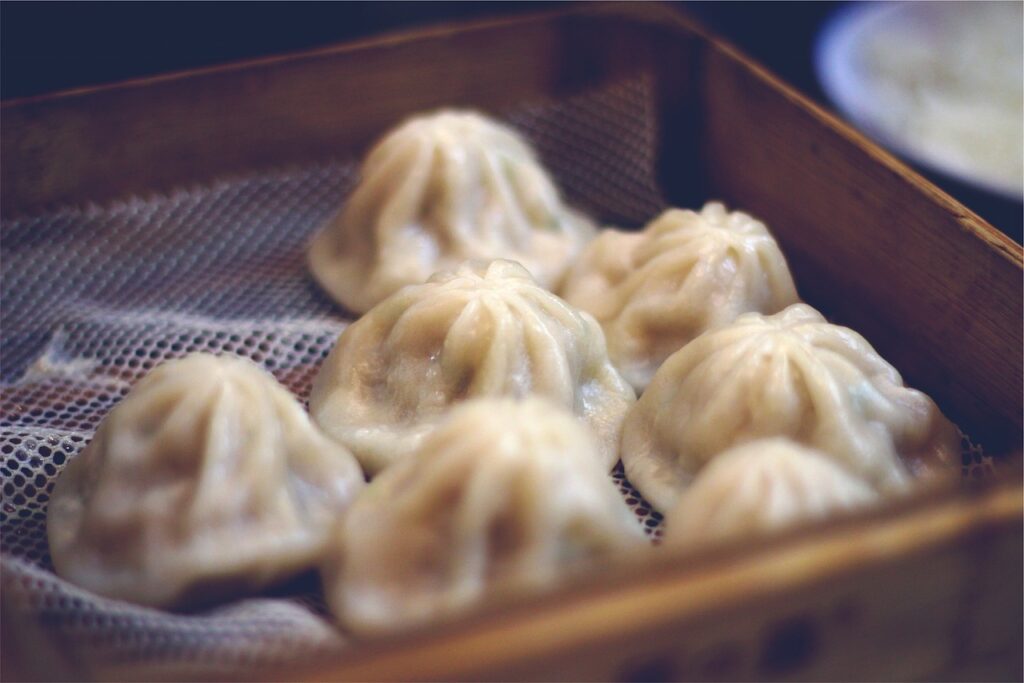
To understand dim sum, you must understand yum cha—the act of drinking tea. During the Han Dynasty, chefs created these snacks specifically to complement tea. Because of this, the tea service provides a window into the restaurant’s standards. If a restaurant treats tea as an afterthought, the culinary foundation is likely crumbling.
A legitimate establishment takes pride in its pots and leaves. Watch for chipped plastic pots or generic tea bags. These are subtle authentic dim sum red flags. According to a study on culinary traditions, the “finger tap” thank-you is a vital part of the culture. A server who does not understand this etiquette reflects a disconnect from the heritage. Furthermore, avoid carts that mix classic siomay with “fusion” ingredients. This often suggests a restaurant is masking a lack of skill with novelty.
Texture Clues: Spotting Frozen Authentic Dim Sum Red Flags
The ultimate test of a chef lies in the texture of the dumpling skin. This is where you win or lose the “frozen vs. fresh” battle. Take the hakau (shrimp dumpling) as an example. A masterfully prepared hakau has a thin, stretchy, and translucent skin. You should see the pink of the shrimp teasing you from inside.
If the skin feels rubbery or breaks immediately, you are likely eating a factory-made product. These frozen versions use thick starches to survive industrial freezing. They prioritize longevity over taste. When a kitchen uses these, they bypass the years of apprenticeship required to master dough. A bone-dry bamboo basket is another visual confirmation of these authentic dim sum red flags.
[Insert Image: Close-up of a perfectly translucent shrimp dumpling skin]
A Menu That Overpromises
In fine Cantonese dining, more is rarely better. A standard kitchen staff cannot prepare dozens of varieties by hand every day. Authentic dim sum requires a specialized team. Usually, a dedicated “dim sum chef” focuses entirely on the fold of the wrapper and the seasoning of the filling.
A massive, sprawling menu is a major red flag. It indicates that the restaurant functions like a distribution center. They likely pull bags from a freezer and steam them to order. You can read more about our [guide to artisanal kitchen practices] to see why specialization matters. True excellence lives in a curated selection of classics. Look for fluffy char siu bao and pristine rice noodle rolls prepared with repetitive perfection.
When we sit down for dim sum, we participate in a lineage that spans centuries. To accept anything less than fresh, steamed-to-order food is to lose the “touch the heart” essence. Next time you see a dim sum cart under a dinner-time neon sign, remember these authentic dim sum red flags. The best stories, and the best dumplings, always belong in the light of day.