

The neon glow of Osaka’s Dotonbori district usually reflects off the polished marble of packed luxury lobbies during the Lunar New Year. In 2026, however, a chilling silence permeates these high-end halls. Instead of the typical gold-leafed celebrations and champagne toasts, concierge desks face a relentless wave of red ink. Japan Hotels are currently navigating a geopolitical storm that transformed the busiest week of the year into a series of empty suites and quiet corridors.
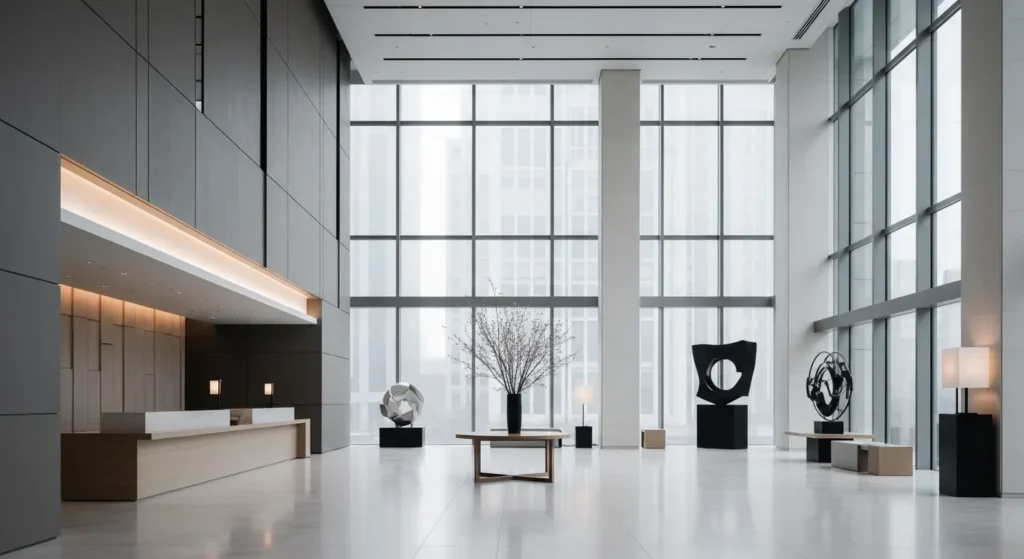
Why Japan Hotels Face This Shocking Cancellation Crisis
The statistics paint a grim picture for the hospitality sector in the Land of the Rising Sun. According to data from the hotel reservation platform Tripla, cancellation rates for bookings originating from China reached a staggering 53.6% for the Lunar New Year period. This isn’t a mere dip in interest; it is a systemic exodus. In central Osaka, one premier property reported an 8% drop in Chinese guests in January alone. By the time the holiday concludes on February 23, occupancy at many landmark stays near commercial hubs will struggle to hit 76%.
This downturn stems from escalating bilateral friction. Following comments made by Prime Minister Sanae Takaichi in November regarding the Taiwan Strait, Beijing issued stern warnings. Consequently, the Chinese government urged its citizens to reconsider travel to Japan. This political cold front froze the luxury market instantly. For owners of Japan Hotels, the timing could not be worse.
The Aviation Collapse and Economic Fallout
The crisis extends far beyond the lobby. Airlines have slashed flight frequencies between the two nations, making spontaneous luxury getaways nearly impossible. Data from Cirium reveals that flight capacity for the Lunar New Year period plummeted 31% compared to 2025. Available seats shrank by 26%, leaving many high-net-worth travelers stranded or redirected to other regional hubs.
The impact on the Japanese economy is massive. In 2025, Chinese visitors represented 21% of all international arrivals and controlled 20% of total travel spending. When a traveler who typically spends $5,000 (€4,600) on a week-long stay at a five-star Ryokan disappears, the ripple effect touches everything from high-end retail to Michelin-starred dining. Management at several Osaka properties admitted that room rates are falling across the city to entice other markets, directly squeezing profit margins that were only just recovering.
A Strategic Pivot: The Rise of Southeast Asia
While the absence of the Chinese “whale” traveler creates a temporary void, it also reveals a fascinating structural shift in the market. As Japan Hotels lose one demographic, they are gaining another with remarkable speed. In December, only 330,000 Chinese tourists visited Japan—a 45% decrease from the previous year. However, visitors from six key Southeast Asian nations—Thailand, Singapore, Malaysia, Indonesia, the Philippines, and Vietnam—surged to over 650,000, a 14% increase.
- Singaporean Travelers: Seeking exclusive snow experiences in Hokkaido.
- Thai Luxury Seekers: Focusing on high-end shopping in Ginza and Omotesando.
- Indonesian Families: Booking multi-room suites for extended cultural tours.
Takayuki Miyajima, a senior economist at [EXTERNAL LINK: Sony Financial Group], suggests this trend will continue through mid-2026. This diversification acts as a safety net, protecting the industry from being overly reliant on a single geopolitical partner.
The New Reality for Luxury Travelers
The current climate presents a unique opportunity for travelers from Europe and North America. With the massive drop in Chinese group tours, the usual crowds at iconic sites like the Fushimi Inari Shrine or the Nara Deer Park have thinned. Luxury suites that were once booked years in advance now show surprising availability.
However, the “warning” remains for the hospitality industry. The loss of the highest-spending demographic forces a total rethink of service models. Hotels that once prioritized Mandarin-speaking staff and specific cultural amenities are now pivoting to cater to the diverse needs of the ASEAN market and Western luxury explorers.
Management at a top-tier Osaka inn noted that while their occupancy sits at 76%, the “quality” of the stay has improved for those present. Without the noise of massive tour groups, the serene, Omotenashi-focused atmosphere of Japan Hotels has returned to its roots. Prices for a standard luxury double room, which might have commanded $800 (€735) per night during a peak Lunar New Year, have stabilized or seen modest 10-15% discounts in certain districts to maintain cash flow.
The geopolitical chill between Tokyo and Beijing shows no signs of thawing before the summer of 2026. Until then, the Japanese tourism landscape remains in a state of high-stakes evolution. The hotels that survive this massive shift will be those that embrace the new global traveler, trading the reliability of the past for the stunning potential of a diversified future. This isn’t just a period of cancellation; it is a masterclass in economic survival and cultural adaptation.