
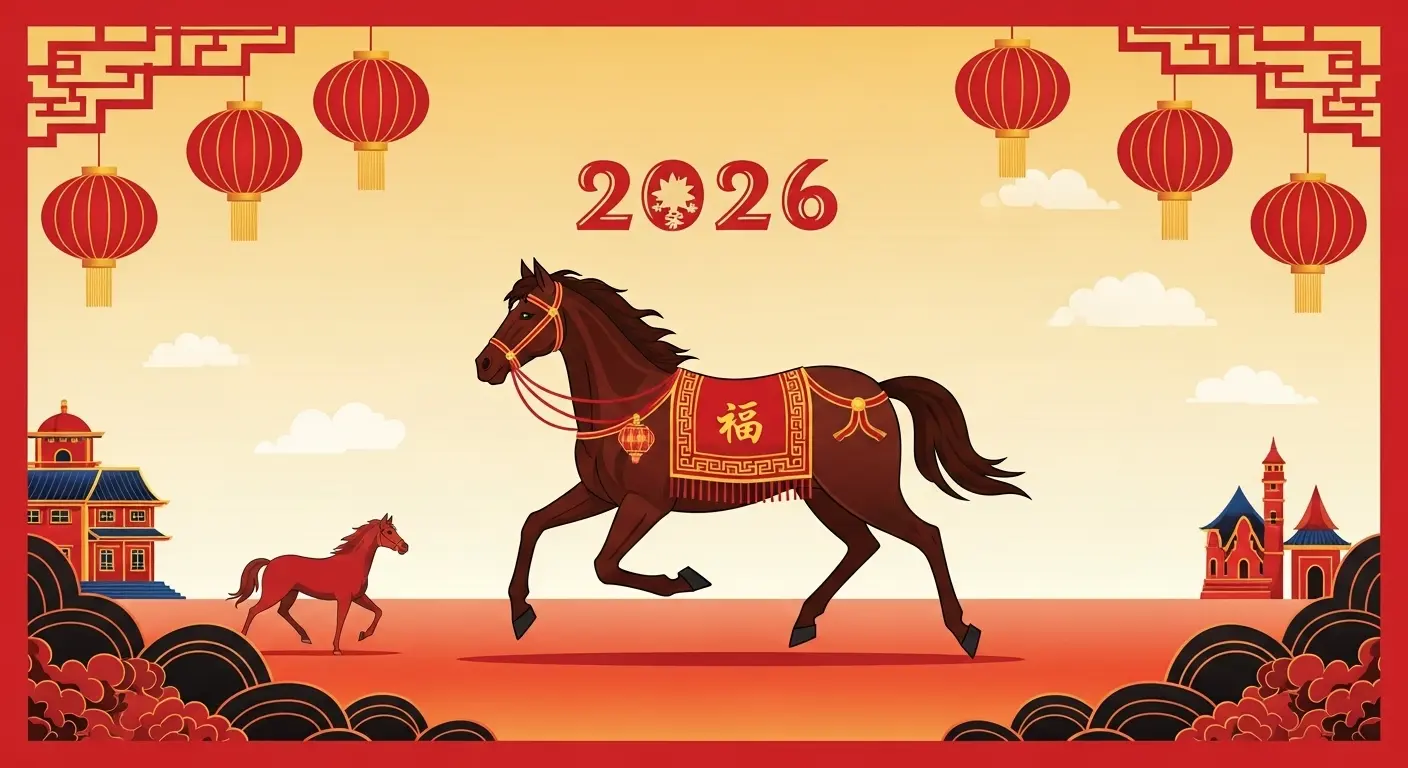
As the lunar calendar turns toward the Year of the Horse, a seismic shift is occurring within the high-end travel sector. The 2026 Lunar New Year, traditionally a period of profound cultural significance and familial reunion, has evolved into a global phenomenon of unprecedented scale. This year, the holiday period has been extended to nine days, beginning on February 15th, a strategic move by the Chinese government to catalyze both domestic and international consumption. Our analysis shows that this extension is not merely a calendar adjustment but a catalyst for a record-breaking 9.5 billion passenger trips, a figure that underscores the resilient desire for mobility despite a complex domestic economic landscape.
The atmosphere in major transit hubs across Beijing and Shanghai is one of kinetic energy. Unlike previous years, where the focus was primarily on regional proximity, the modern Chinese traveler is exhibiting a more nuanced and strategically selective appetite for exploration. While the traditional “chunyun” migration remains the backbone of domestic travel, the outbound luxury segment is rewriting the map of global tourism. The sheer volume of travelers is staggering, with official estimates surpassing the 9.02 billion trips recorded just a year prior.

The most striking narrative of this season is the dramatic pivot in destination preference. Thailand has reclaimed its throne as the premier overseas sanctuary, offering a sun-drenched reprieve from the biting winter chill that still grips much of the Chinese mainland. The allure of Southeast Asia remains potent, bolstered by seamless connectivity and a hospitality infrastructure that has meticulously adapted to the sophisticated demands of the modern Chinese elite. According to industry data from Spring Tour, the travel arm of Spring Airlines, the demand for Thai escapes is driven by a desire for climatic contrast and high-value luxury experiences.
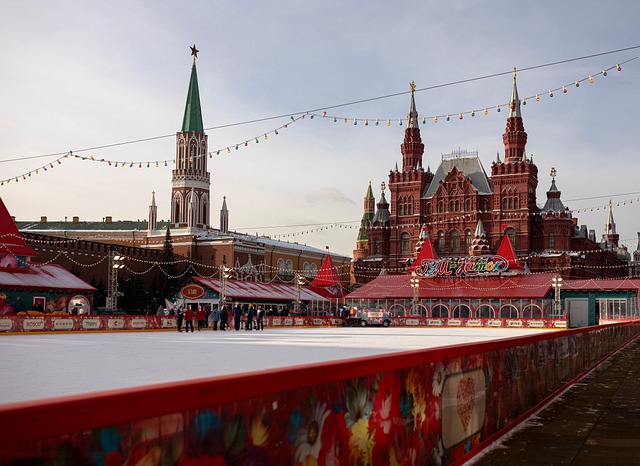
However, the most “surprising strategic shift” observed this year is the meteoric rise of Russia as a luxury frontier. Our analysis shows that travel bookings to Moscow and the northern reaches of Europe have more than doubled. This surge is not accidental; it is the direct result of a calculated geopolitical and tourism alignment. Since December, Moscow has implemented a visa-free policy for Chinese tour groups, effectively lowering the barrier to entry for one of the world’s most evocative winter destinations. Travelers are no longer just seeking warmth; they are seeking the “Expert” curated experiences of the snowy north, from the opulent corridors of the Kremlin to the ethereal glow of the Northern Lights.
Sienna Parulis-Cook, a leading voice at Dragon Trail Research, suggests that this trend toward Russia and Northern Europe is likely to persist throughout 2026. The ease of access, combined with a growing curiosity for non-traditional luxury, has positioned these regions as viable alternatives to the long-standing dominance of Western European capitals. This shift represents a broader maturation of the Chinese traveler, who is increasingly prioritizing ease of movement and unique cultural narratives over legacy brand recognition.
In stark contrast to the burgeoning success of Thailand and Russia, the Japanese tourism sector is facing a chilling winter of its own. Once a staple of the Lunar New Year itinerary, Japan has seen its popularity plummet. Flight Master data reveals a staggering 49.2 percent decrease in flight capacity between China and Japan compared to the previous year. Political tensions have cast a long shadow over the travel industry, leading to the cancellation of 58 routes that were operational during the last Spring Festival. This collapse in demand highlights the extreme sensitivity of the luxury travel market to geopolitical stability.
Despite the cooling of relations with Japan, the appetite for long-haul travel remains robust. Australia has emerged as a significant beneficiary of this redirected interest, with TripAdvisor reporting a 100 percent increase in visits compared to the 2025 period. The vast landscapes of the Southern Hemisphere offer a compelling narrative of adventure and exclusivity that resonates deeply with families looking to escape the routine of urban life. This trend is mirrored in the aviation sector, where IBA intelligence indicates a 9 percent increase in international flight capacity, signaling a confident recovery of the global aviation network.
Domestically, the Chinese market is experiencing a tale of two climates. The demand is bifurcated between the tropical luxury of Hainan Island and the rugged, snow-capped peaks of the Changbai Mountains. This internal competition for the traveler’s attention is a microcosm of the broader global trend: a search for “ultimate” experiences that offer either total relaxation or total immersion in nature. The domestic property market’s volatility and employment concerns seem to have, paradoxically, fueled a “live in the moment” philosophy among the middle and upper classes, who are choosing to invest in memories rather than assets.
Based on industry data and the current trajectory of visa policies, the future outlook for 2026 suggests a more fragmented and competitive global tourism landscape. Destinations that offer “Expert” levels of service and hassle-free entry will continue to thrive. As we look toward the remainder of the year, the strategic shifts witnessed this February are likely to define the new normal for Condé Nast Traveler enthusiasts and industry stakeholders alike. The Year of the Horse has begun with a gallop, and the world is watching where the next stride will lead.
For those planning their next journey, consulting resources like Lonely Planet or exploring the cultural depths of National Geographic provides the necessary context for a world in constant motion. The 2026 Lunar New Year has proven that while the desire to travel is constant, the destination is always subject to the shifting tides of policy, politics, and the pursuit of the extraordinary.