
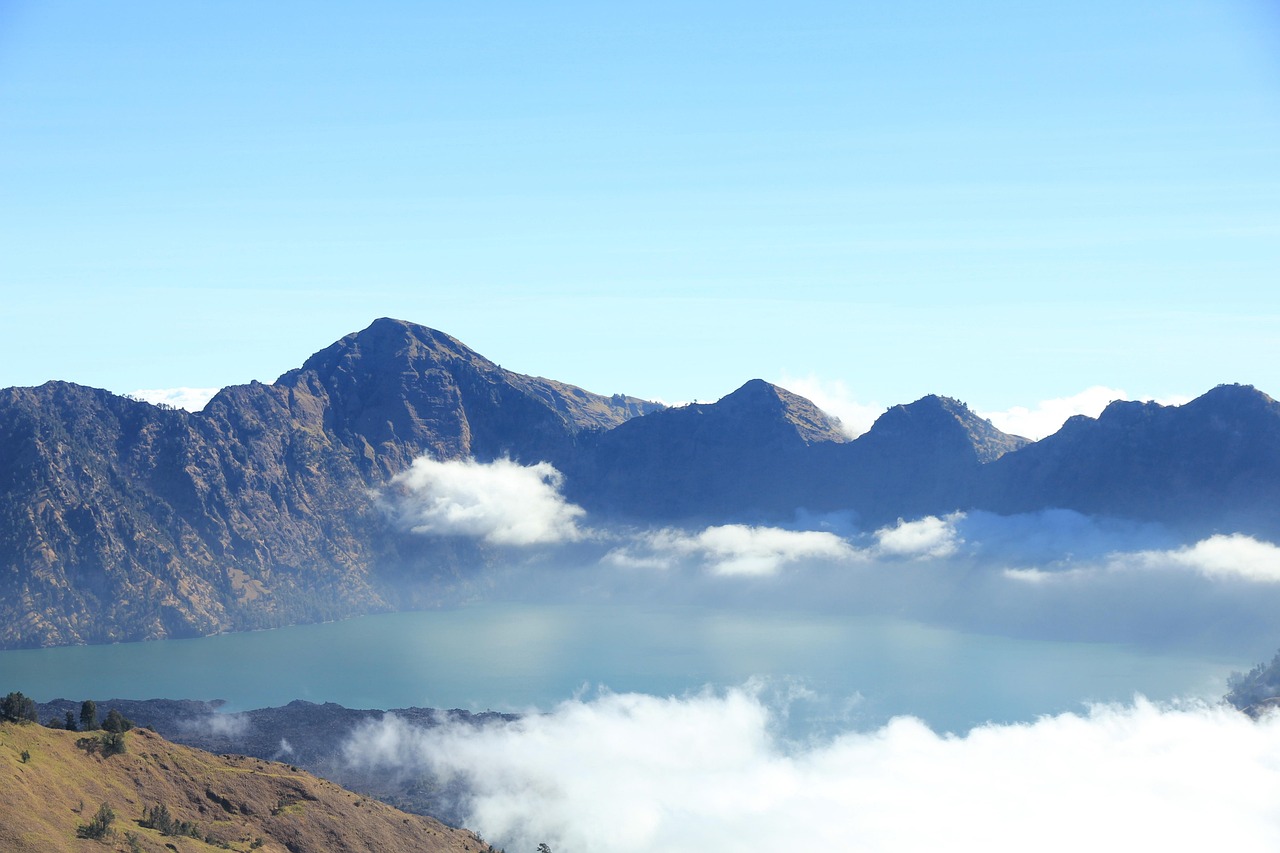
Gunung Rinjani prepares to welcome the world’s most discerning adventurers back to its emerald slopes on March 28, 2026. Following a necessary hiatus due to extreme weather cycles, the Mount Rinjani National Park Agency (Balai TNGR) officially signaled the end of the mountain’s restorative slumber. This reopening does not merely mark a return to business; it represents a fundamental shift in how Indonesia manages its most prestigious volcanic icon. Travelers seeking the pinnacle of Southeast Asian trekking can now plan their ascent to the second-highest peak in the archipelago.
Technological Sovereignty at Gunung Rinjani
The 2026 season introduces a sophisticated safety infrastructure that positions the park alongside the world’s most advanced mountain reserves. Budhy Kurniawan, Head of Balai TNGR, confirms that the agency utilized the closure to implement a “global standard” management system. Every hiker now carries a personal beacon for real-time position monitoring, a move that aligns with the safety standards highlighted by National Geographic regarding high-altitude expeditions.
The introduction of RFID wristbands ensures that every soul on the mountain is accounted for, while a newly constructed central command center integrates radio communications across the entire trekking network. This digital transformation addresses the logistical complexities of a peak that saw over 80,000 visitors in 2025. By digitizing the “zero waste” initiative, the park also creates a transparent accountability loop for environmental preservation.
The Vision of Exclusive Conservation
Governor of West Nusa Tenggara (NTB), Lalu Muhamad Iqbal, emphasizes that the future of the mountain lies in quality over quantity. The administration is pivoting away from mass tourism in favor of an exclusive, high-value experience. This strategy mirrors the luxury travel trends often documented by Condé Nast Traveler, where restricted access enhances both the preservation of the ecosystem and the prestige of the journey.
“The management of Gunung Rinjani moves toward an exclusive, high-quality, and conservation-oriented experience,” Governor Iqbal stated. He insists that world-class adventures must exist in total harmony with ecological protection. This collaborative effort involves provincial and district governments alongside local communities to ensure that the mountain remains a “symbol of life” rather than a mere commodity.
Economic Vitality and Global Appeal
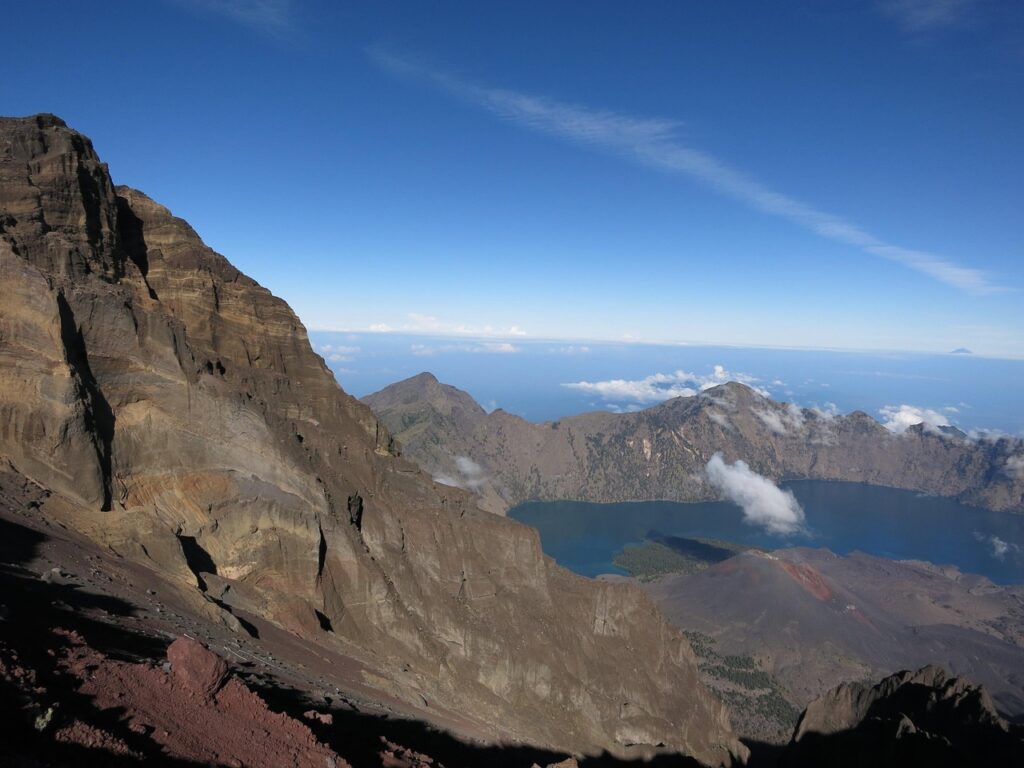
The allure of the peak remains a titan of regional economics. In 2025, the park generated an impressive Rp25.92 billion in non-tax state revenue (PNBP), with a total economic circulation reaching Rp182.05 billion. These figures underscore the mountain’s role as the heartbeat of Lombok’s tourism industry. Out of the 80,214 trekkers recorded last year, more than half—43,236 individuals—were international visitors who sought the legendary vistas of the caldera.
For those planning to participate in this new era of trekking, understanding the terrain is essential. The Lonely Planet guide to Rinjani highlights the physical demands of the ascent, which are now mitigated by the park’s enhanced vertical rescue capabilities. The recent cross-sector coordination exercises ensure that emergency responses are swift and professional, providing peace of mind for those staying at Lombok’s most exclusive retreats before and after their climb.
Digital Integration and Sustainable Futures
The “Zero Waste” digital implementation stands as the centerpiece of the park’s environmental strategy. Hikers and trekking organizers now use a digital platform to track waste from entry to exit, ensuring the majestic slopes remain free of the debris that often plagues popular peaks. This system empowers the local “porters and guides” community, who act as the frontline guardians of the mountain’s sanctity.
As the March 28 reopening approaches, the focus remains on “collaborative management.” The Balai TNGR and the provincial government have moved past isolated operations, creating a unified front that prioritizes the safety of the hiker and the health of the volcano. This refined approach guarantees that the 2026 season will offer more than just a hike; it offers a secure, sustainable, and deeply immersive encounter with one of the earth’s most powerful geological wonders.
The 52,108 non-climbing visitors who frequented the park’s lower elevations in 2025 also find improved facilities. Whether one intends to stand on the 3,726-meter summit or simply enjoy the lush foothills, the new management paradigm ensures a world-class standard. The era of mass-market exploitation ends, replaced by a sophisticated model of tourism that honors the spiritual and physical majesty of the peak.
For more travel articles exclusive updates, click here to explore our latest coverage.