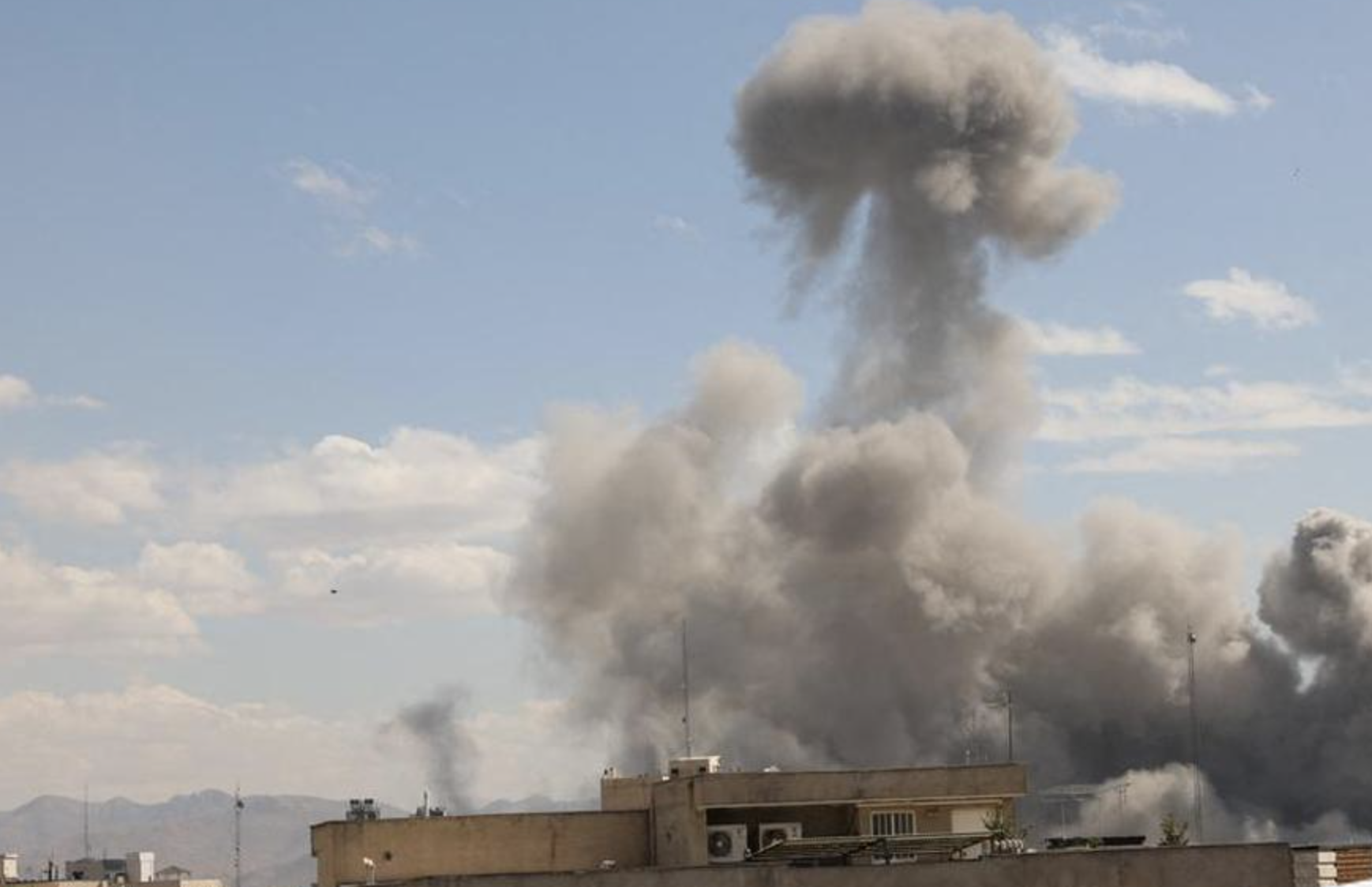
In a statement that has sent shockwaves through the international diplomatic community, the Embassy of the Islamic Republic of Iran in Jakarta has confirmed a devastating toll following a massive joint military operation by the United States and Israel. According to Iranian Ambassador Mohammad Boroujerdi, the strikes have resulted in the deaths of at least 555 people, a figure that includes a staggering 200 children. The announcement, delivered during a somber press conference at the ambassador’s official residence, marks one of the deadliest escalations in the region’s history and signals a total collapse of recent diplomatic efforts.
The Humanitarian Toll of the Attacks on Iran
The casualties reported by the embassy highlight a significant humanitarian crisis unfolding on the ground. Ambassador Boroujerdi emphasized that the majority of those killed were non-combatants, many of whom were observing religious fasts when the strikes commenced. “Among the victims, more than 200 were children, many of whom were still of elementary school age,” Boroujerdi stated. He characterized the victims as diverse groups of civil society who were targeted while engaged in daily life and religious observance.
Reports from Reuters suggest that the scale of civilian collateral damage has sparked immediate calls for an emergency session of the United Nations Security Council. The Iranian envoy’s narrative paints a picture of a nation caught off guard during a period that many hoped would lead to a de-escalation of hostilities. The targeting of urban centers alongside military installations has led to widespread condemnation from human rights organizations, who are now scrambling to verify the figures provided by Tehran.
Targeting the IRGC and the Death of Ali Khamenei
The military operation, which began on Saturday, February 28, was described by Western intelligence sources as a “precision campaign” intended to neutralize the threat posed by the Islamic Revolutionary Guard Corps (IRGC). According to the Associated Press, the strikes targeted command and control centers, ballistic missile launch sites, drone manufacturing facilities, and sophisticated air defense systems across several Iranian provinces.
However, the most significant development of the operation is the reported death of Iran’s Supreme Leader, Ali Khamenei. While Western officials have remained cautious in their official confirmations, the Iranian Embassy in Jakarta included Khamenei among the high-ranking officials killed in the raids. This vacuum of power at the top of the Iranian theocracy presents an unprecedented shift in Middle Eastern geopolitics. The IRGC, which serves as the backbone of the country’s military and economic power, has also lost several key commanders, potentially crippling its operational capacity in the short term.
A Breach of Diplomacy and “Negotiation Table” Betrayal
One of the most stinging accusations leveled by Ambassador Boroujerdi was the claim that the United States and Israel acted in bad faith. He noted that the strikes occurred while Iran was purportedly engaged in active negotiations. “This proves once again that they do not adhere to diplomacy,” Boroujerdi told reporters. “While we were at the negotiating table, they were conducting a campaign of plunder and destruction.”
This sentiment of betrayal is expected to resonate with Iran’s remaining allies and could complicate any future efforts at a ceasefire. According to an analysis by The New York Times, the timing of the strike suggests a strategic decision by Washington and Tel Aviv to bypass a stalled diplomatic process in favor of a “decapitation strike” against the Iranian leadership. For more on the history of these tensions, see our internal analysis on Middle East power shifts.
Regional Stability and the Global Response
The fallout from these strikes is already being felt across global markets and diplomatic corridors. BBC News reports that oil prices have surged amid fears of a retaliatory strike on the Strait of Hormuz, a critical chokepoint for global energy supplies. Meanwhile, the international community remains divided; while some nations have voiced support for the “neutralization of a state-sponsor of terror,” others have warned that the high civilian death toll—particularly the 200 children mentioned by Boroujerdi—will only serve to radicalize a new generation.
As Iran enters a period of national mourning and potential internal power struggles following the loss of Khamenei, the world watches to see if this operation will lead to the intended regional stability or if it has simply opened a more volatile chapter in the century’s longest-running geopolitical rivalry. The “Global Ledger” will continue to monitor this developing story as more information regarding the transition of power in Tehran becomes available.