The Small SUV Australia segment is currently witnessing a seismic shift as Chinese manufacturers aggressively undercut established Japanese and Korean rivals. Gone are the days when a “budget” car meant sacrificing every modern convenience; today, the entry-level market offers a barrage of digital screens and safety sensors that once belonged exclusively to the luxury tier. For buyers looking to step up from tiny city cars without the intimidating footprint or price tag of a mid-sized cruiser, three specific models are redefining what “affordable” looks like in local showrooms.
Small SUV Australia: The Race to the Bottom of the Price Sheet
The current market dynamic favors those who prioritize “drive-away” transparency over complex list pricing. While traditional brands often hide registration and dealer delivery fees in the fine print, the new guard of manufacturers uses all-inclusive pricing as a blunt-force marketing tool. This strategy targets the “squeezed middle” of the Australian car market—drivers who demand the high seating position of an SUV but lack the $45,000 required for a top-spec hybrid.
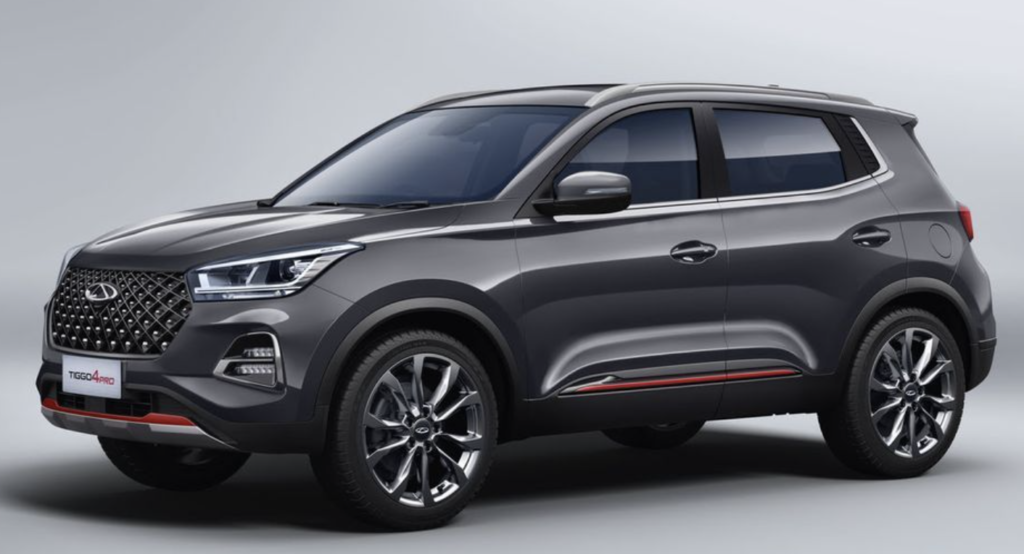
Chery Tiggo 4: The New Price King
The Chery Tiggo 4 currently holds the title of the most affordable small SUV in the country. At a drive-away price of $23,990 for the Urban grade, it presents a compelling mathematical argument. This price includes every on-road cost, from stamp duty to registration, effectively removing the guesswork from the dealership experience. According to market analysis from Car and Driver, Chinese brands like Chery are leveraging massive economies of scale to offer these prices while maintaining high equipment levels.
A 1.5-litre petrol engine powers the Tiggo 4 Urban, driving the front wheels through a package that prioritizes utility over raw performance. While the engine won’t win many drag races, the interior boasts a 10.25-inch media screen, Apple CarPlay, and Android Auto as standard kit. The boot space is particularly impressive for this class, offering 470 litres when measured to the roof. Safety remains a priority, as evidenced by the Tiggo 4’s maximum five-star ANCAP rating achieved in 2023. However, the driving experience remains functional rather than memorable; it is a tool for the commute rather than a toy for the weekend.
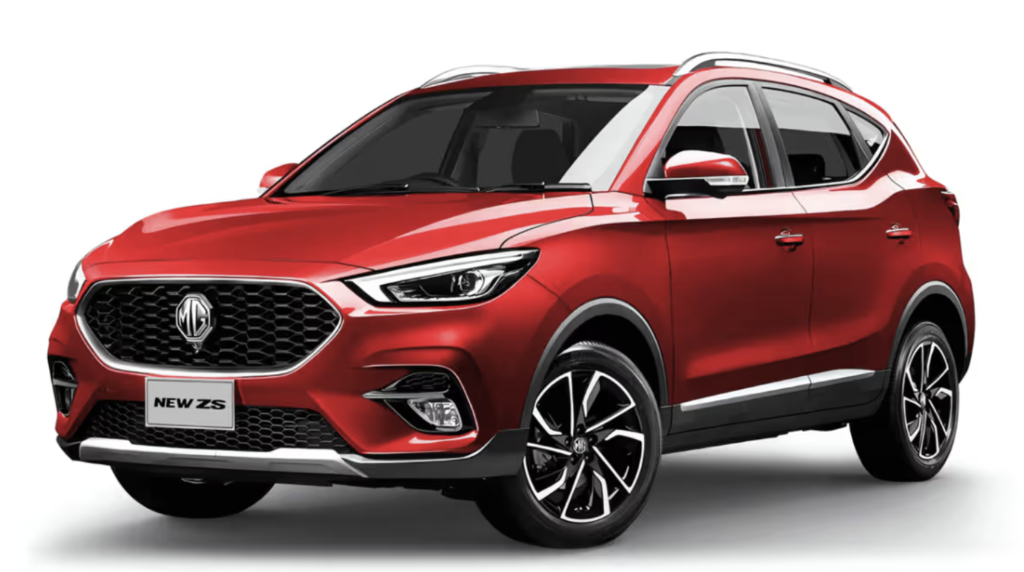
MG ZS: The Refined Value Proposition
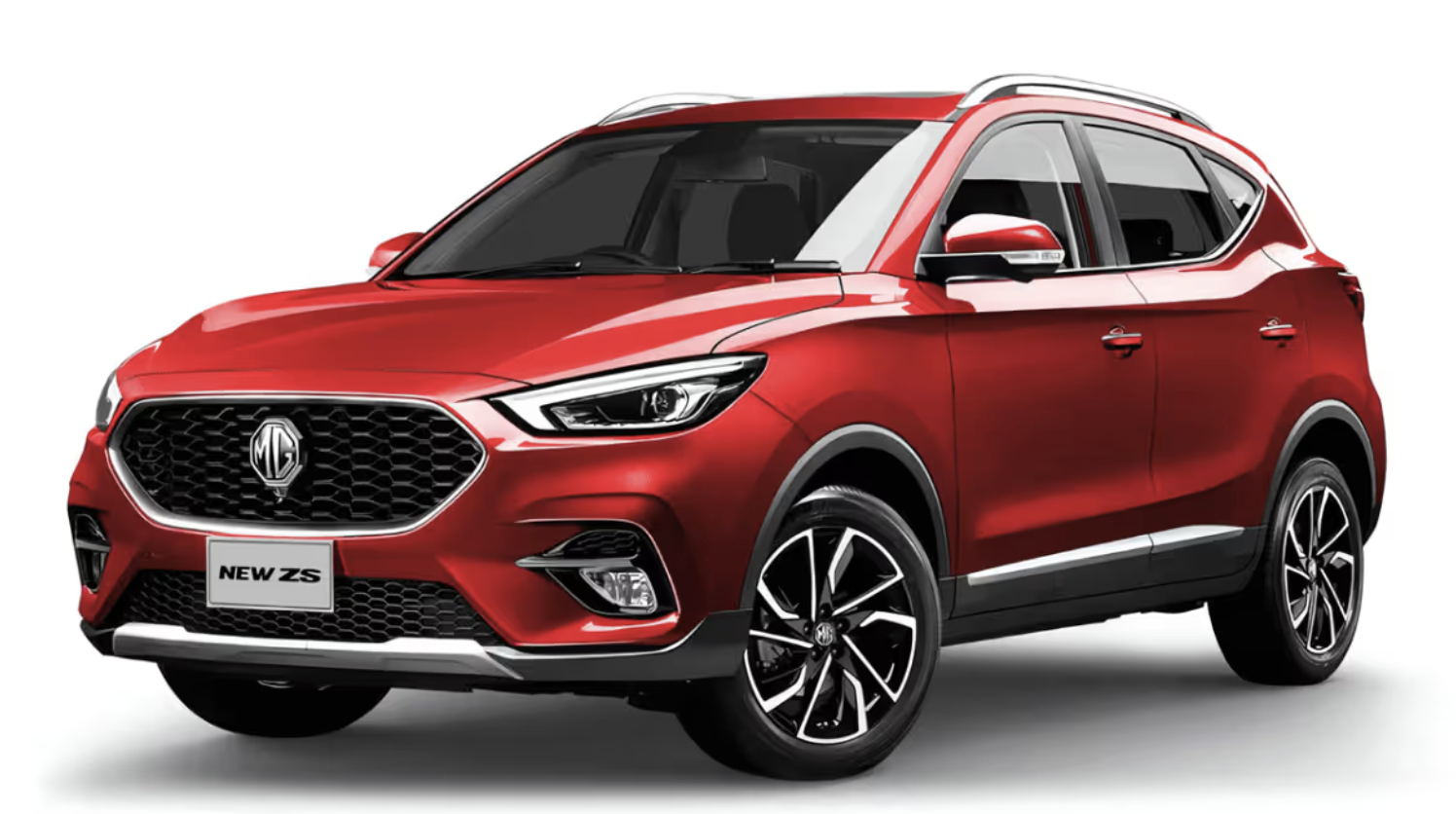
MG has transitioned from a niche player to a top-ten mainstay in the Australian market. The MG ZS Vibe, priced at $25,888 drive-away, represents the brand’s commitment to constant refinement. It sits slightly higher in the price bracket than the Chery but justifies the extra spend with a look that many critics at Top Gear consider more stylish and cohesive.
The ZS Vibe utilizes a similar 1.5-litre naturally aspirated engine. Reviewers often note that the engine feels underpowered when the car is fully loaded with five passengers and 443 litres of luggage. Despite the anaemic acceleration, the ZS excels in urban environments where its light steering and compact dimensions make parking effortless. The cabin features a 10.25-inch touchscreen and fabric seats, maintaining a clean, modern aesthetic. Most importantly for families, the ZS secured a five-star ANCAP safety rating in 2025, ensuring that the low price does not come at the expense of occupant protection.
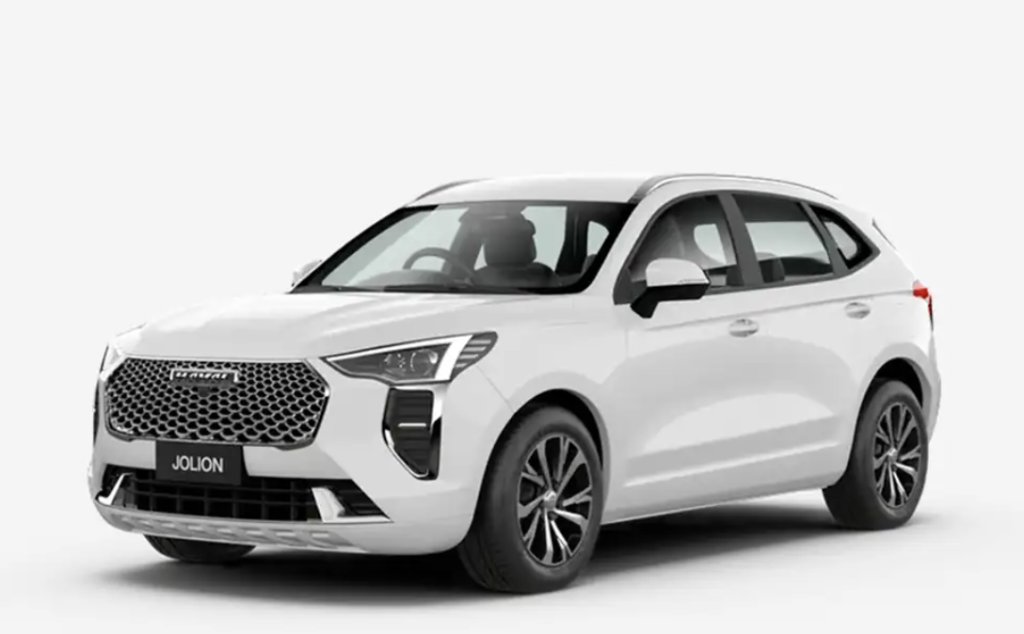
GWM Haval Jolion: The Premium Disruptor
The GWM Haval Jolion Premium occupies the third spot on the affordability podium with a list price of $26,990. Note the distinction: this is a list price, meaning on-road costs will likely push the final figure closer to $30,000 depending on your state. However, the Jolion offers a “big car” feel that the other two struggle to match. It is noticeably roomier, making it a viable alternative for those who find the budget car buying guide options too cramped.
Under the hood, the Jolion Premium features a 1.5-litre turbo petrol engine. While the turbocharger provides a much-needed torque boost over its non-turbo rivals, the driving experience is often hampered by overly aggressive safety alerts and a dual-clutch transmission that can be hesitant in stop-start traffic. As noted by Motor Trend, the rapid iteration of GWM’s software is a response to these specific criticisms. The Jolion’s boot is the smallest of the trio at 337 litres, but it counters this with superior rear-seat legroom. Like its competitors, it holds a five-star ANCAP safety rating, though its testing dates back to 2022.
The Performance Reality Check
When examining the performance of the Small SUV Australia category’s cheapest entrants, expectations must remain realistic. These vehicles utilize torsion-beam rear suspensions and small-displacement engines designed for fuel efficiency rather than cornering precision. According to technical deep-dives on Autocar, the focus for these manufacturers is on “perceived quality”—how the screen looks and how the doors sound when they close—rather than the Nürburgring-honed handling found in more expensive European crossovers.
The disruption of the Australian market by these three models is not merely about price; it is about the “Secrets” of manufacturing logistics and standardizing high-spec features. As Jalopnik points out, the Australian market serves as a perfect laboratory for these brands to test their global mettle. For the consumer, the result is a fierce price war that makes owning a new, safe, and tech-heavy SUV more accessible than ever before.
Discover the latest car news, reviews, and automotive trends by exploring our coverage here.