
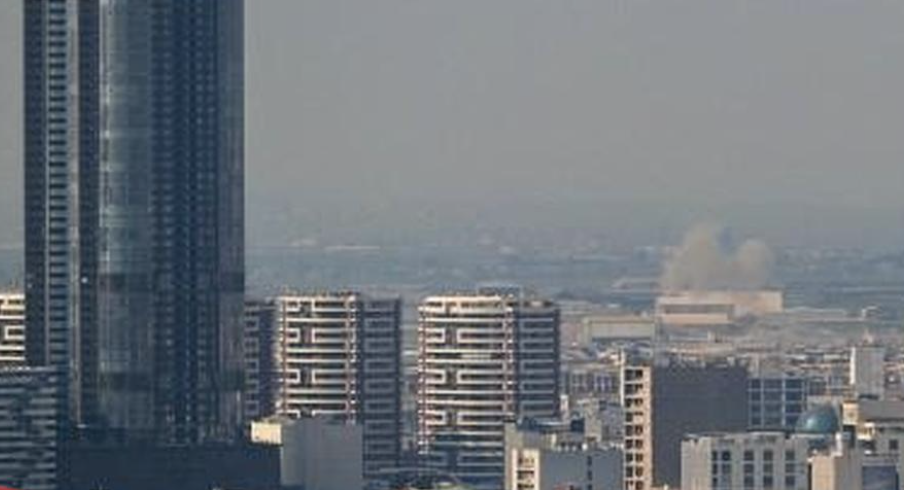
Iran stands at the epicenter of a catastrophic regional war after United States and Israeli forces launched a massive preemptive strike on strategic nuclear facilities. This escalation, which began in late February 2026, rapidly expanded beyond the borders of the Islamic Republic, drawing twelve different nations across the Middle East into a state of active combat or logistical crisis. Military analysts suggest the scale of this operation represents the largest coordinated aerial assault in the region since the turn of the century.
Iran Conflict Shatters Middle East Stability with Multi-Nation Strikes
The joint military operation by the United States and Israel targeted high-value Iranian assets to neutralize their nuclear capabilities. According to reports from Reuters, the strikes focused on underground enrichment sites and missile production plants. This aggressive stance follows years of failed diplomatic negotiations regarding the Joint Comprehensive Plan of Action (JCPOA). US Senator Ted Budd confirmed that the operation aims to protect American allies from a nuclear-armed Tehran, emphasizing that the strikes were a necessary preventative measure.
The immediate aftermath of the strike saw a rapid expansion of the combat theater. Iran did not hesitate to activate its “Ring of Fire” strategy, launching hundreds of ballistic missiles and suicide drones at Israeli population centers and American military installations throughout the Persian Gulf. This retaliation forced neighboring states to make split-second decisions regarding their airspace and defensive postures.
Twelve Nations Caught in the Crossfire
The geographical scope of this conflict currently encompasses a staggering 12 nations. While the primary combatants remain the US-Israel alliance and Iran, the spillover has reached every corner of the Levant and the Arabian Peninsula. Data provided by Associated Press indicates that Iranian retaliatory strikes reached as far as Kuwait, Bahrain, Qatar, Saudi Arabia, the United Arab Emirates, and Oman.
In the north, Lebanon and Iraq have become secondary battlefields. Israeli jets targeted Hezbollah positions in Beirut and the Bekaa Valley to prevent a northern front from opening. Simultaneously, Iranian-backed militias in Iraq launched short-range rockets at US bases in Erbil and Al-Asad, prompting immediate American counter-battery fire. Even Cyprus, a non-Middle Eastern nation, felt the impact when an Iranian drone struck a runway at a British sovereign military base on the island. This specific incident raised fears of the conflict dragging European powers and NATO members into a wider confrontation.
Leadership Casualties and the Fall of Tehran’s Command
The most shocking development in this conflict involves the reported deaths of high-ranking Iranian officials. Information obtained by The New York Times suggests that Supreme Leader Ayatollah Ali Khamenei, along with members of his immediate family, died during the initial wave of precision strikes in Tehran. The Iranian Tasnim news agency confirmed that over 1,000 strikes hit 153 cities across the country, effectively decapitating much of the political and military leadership.
In Lebanon, the humanitarian toll continues to rise. The Lebanese Ministry of Health reported over 40 deaths and hundreds of injuries following Israeli airstrikes on what they identified as missile storage facilities in residential areas. Meanwhile, Israel and the United States have also sustained casualties. BBC News reported that more than ten Israeli civilians died in missile impacts, and at least six American service members lost their lives during the initial drone swarms targeting regional bases.
Global Energy Security and Economic Fallout
The Middle East remains the world’s primary energy hub, and this war has placed a stranglehold on the Global Energy Crisis. The Strait of Hormuz, through which a significant portion of the world’s oil passes, is now a high-risk combat zone. Insurance premiums for oil tankers have skyrocketed, and several shipping giants have suspended operations in the Persian Gulf entirely.
Economic analysts warn that a prolonged conflict will lead to a global recession. The volatility in the region directly impacts the stability of international markets, as the 12 nations involved represent a significant portion of global GDP. If the conflict continues to escalate, the disruption to supply chains and energy exports will likely force major economies in Asia and Europe to implement emergency rationing measures.
The military situation remains fluid. Both the US and Israel have maintained a high state of alert, while the remaining Iranian military command threatens further “unconventional” responses. As the international community watches, the risk of a total regional collapse looms larger than ever before.
For more updates on similar news and trending global stories, visit our latest news section.