
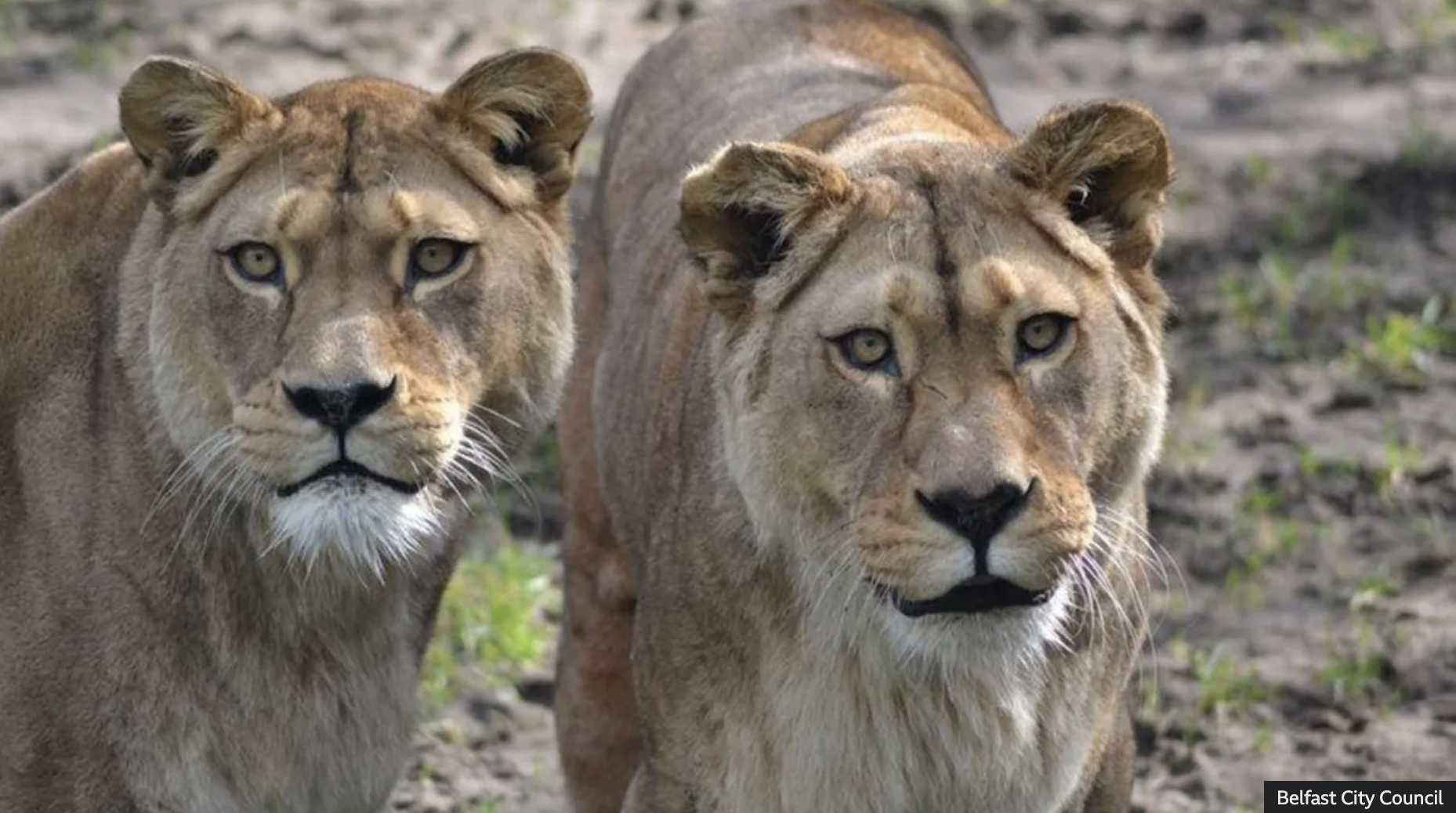
Barbary Lions represent a lost era of majestic wildlife, and the recent death of the last two residents at Belfast Zoo marks a somber milestone for global conservation efforts. The zoo confirmed that Thheiba and Fidda, two 22-year-old sisters, underwent euthanasia following a decline in their quality of life. This decision ends an era for the facility, which has housed this specific subspecies since the 1960s.
Barbary Lions and the EAZA Conservation Legacy
The loss of these two females impacts the European Association of Zoos and Aquaria (EAZA) Ex-Situ Program (EEP). Throughout their lives, Thheiba and Fidda served as ambassadors for their subspecies, which experts declare extinct in the wild. According to reports from BBC News, the sisters moved from Port Lympne in Southern England to Belfast, where they contributed significantly to the genetic pool of captive populations.
Zoos play a critical role in maintaining the lineage of animals that no longer roam their natural habitats. The Barbary lion, once native to North Africa, faced relentless hunting and habitat loss until the last wild specimen was shot in 1942. Programs like the EEP ensure that the genetic blueprint of these predators remains, even if they only exist within protected enclosures.
The Health Decline of Thheiba
In recent weeks, Thheiba’s health deteriorated rapidly. Veterinary staff noted significant mobility issues and a sharp decrease in body weight. These symptoms often signal end-stage organ failure or chronic musculoskeletal degeneration in aging large felids. After a comprehensive medical assessment, the clinical team determined that further treatment would not restore her quality of life.
Belfast Zoo staff prioritized welfare over longevity. When a predator of this size loses the ability to move without pain, ethical guidelines suggest intervention to prevent prolonged suffering. This philosophy aligns with modern standards found in Wildlife Conservation protocols worldwide.
The Social Bond and Fidda’s Fate
The decision to euthanize Fidda alongside her sister stems from the complex social nature of the species. Unlike many solitary cats, lions thrive on pride dynamics and intense sibling bonds. Fidda remained relatively healthy compared to Thheiba, yet the veterinary team expressed concerns regarding her psychological well-being.
Lions experience profound stress when separated from their lifelong companions. The zoo’s official statement emphasized that Fidda would likely suffer from severe welfare issues if left alone. To prevent this inevitable trauma, the team chose to let both sisters pass together, maintaining their bond until the end. This approach reflects a growing understanding of animal sentience and emotional health in captive environments.
Historical Significance of the Barbary Subspecies
Barbary Lions hold a unique place in human history, often associated with royalty and power. The Roman Empire famously imported these massive cats for gladiatorial games in the Colosseum. Their distinct appearance—characterized by a thick black mane that extends across the belly—made them a prized display of imperial reach.
During the Middle Ages, the English monarchy kept these lions in the Tower of London. In 1937, construction workers discovered the skulls of two male lions in the Tower’s moat, confirming that the “Royal Menagerie” housed these North African predators centuries ago. Researchers at Reuters have previously noted how these historical records help scientists track the morphological changes in the species over time.
Physical Traits of the Atlas Lion
Commonly known as the Atlas Lion, this subspecies grew larger than the lions currently found in sub-Saharan Africa. Their environment in the Atlas Mountains required a thicker coat to withstand colder temperatures. The males displayed the most impressive manes of any lion variety, which served as both a defensive shield during fights and a signal of high testosterone to potential mates.
While some debate remains among taxonomists regarding whether the Barbary lion is a distinct subspecies or a regional population of Panthera leo leo, their cultural and conservation value remains undisputed. The specimens at Belfast Zoo represented a direct link to this ancient lineage.
The Future of Belfast Zoo’s Lion Enclosure
The passing of Thheiba and Fidda leaves a void in the zoo’s predator exhibit. For decades, the roar of the Barbary Lions served as a signature sound for visitors and local residents. The zoo management has not yet announced whether they will seek new lions from the EAZA program or pivot their focus toward other endangered species.
Experts from The New York Times science desk often highlight how the death of “charismatic megafauna” in zoos can trigger a shift in public interest toward lesser-known endangered animals. However, the legacy of the Barbary lion at Belfast remains a central part of the institution’s history.
Caring for Geriatric Animals
Modern veterinary science allows zoo animals to live significantly longer than their wild counterparts. While a wild lion rarely survives past age 15 due to competition and injury, Thheiba and Fidda reached 22. This longevity brings unique challenges, including arthritis, dental decay, and cognitive decline.
Belfast Zoo’s commitment to “extraordinary care” for these geriatric sisters involved specialized diets, habitat modifications to assist mobility, and constant monitoring. Their peaceful passing serves as a final act of stewardship by the keepers who spent decades working alongside them. The data gathered from their long lives will contribute to better husbandry practices for other lions across the globe.
For more updates on similar news and trending global stories, visit our latest news section.