
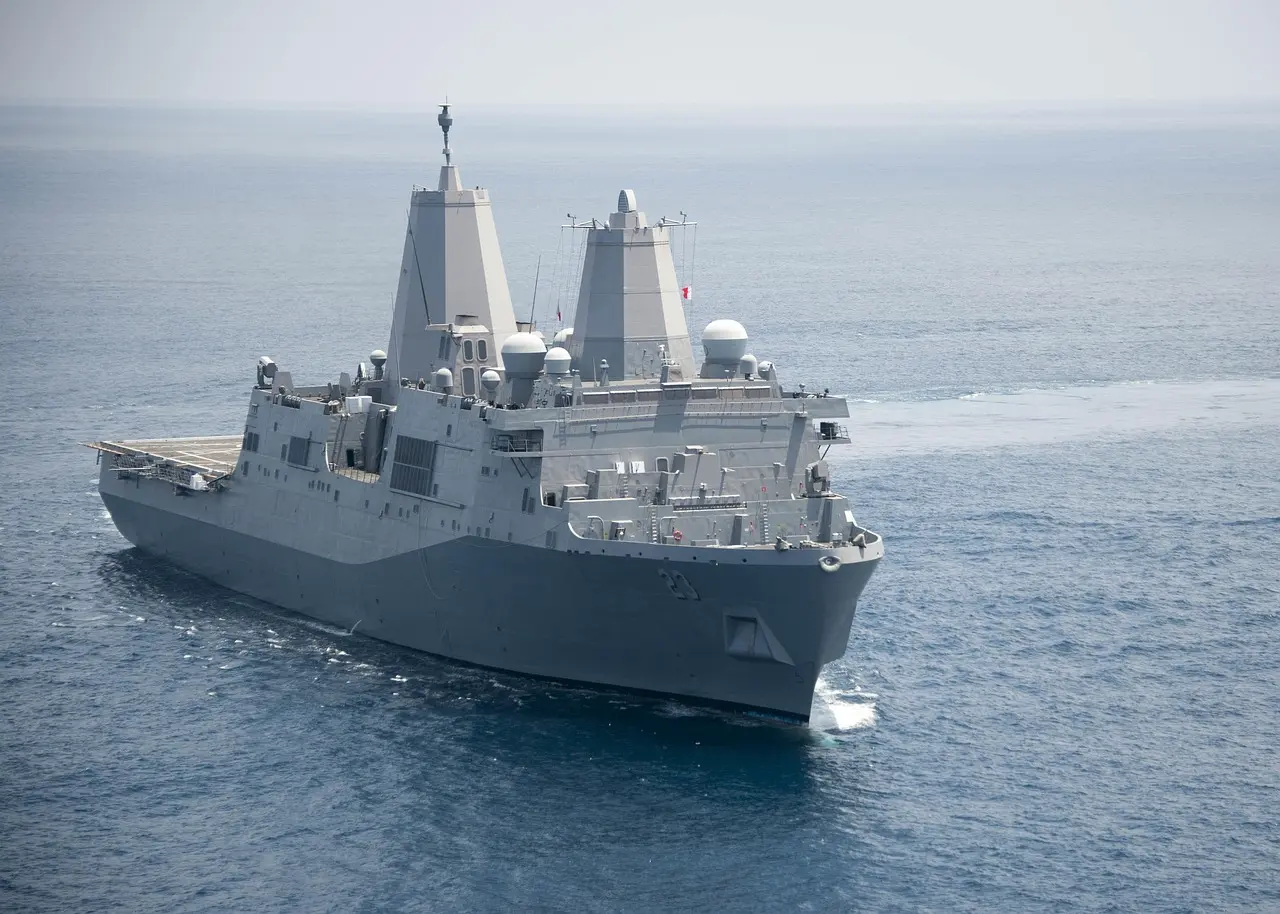
Iran naval mines are disrupting the Strait of Hormuz, threatening global energy security as the US military responds to the IRGC’s strategic deployment.
The Escalation in the “Valley of Death”
Based on industry trends and recent intelligence leaks, the Islamic Revolutionary Guard Corps (IRGC) has shifted its posture from verbal threats to physical obstruction. The IRGC, which oversees the strait alongside the Iranian Navy, possesses a vast fleet of small, agile vessels capable of dispersing hundreds of mines in a matter of hours. This “mosquito fleet” strategy allows Iran to saturate the shipping lanes with explosive hazards that are difficult to track and even harder to neutralize.
The reaction from Washington was instantaneous. Former President Donald Trump took to Truth Social to demand the immediate removal of the mines, warning of “massive consequences” if the provocation continued. In a subsequent escalation, Secretary of Defense Pete Hegseth confirmed that U.S. Central Command (CENTCOM) had already moved to neutralize the threat. According to reports from The Verge, the U.S. military utilized precision strikes to destroy several Iranian naval assets, including 16 mine-laying vessels, in an attempt to preempt a total blockade. The IRGC has responded by labeling the strait a “Valley of Death,” a grim warning to any commercial tanker attempting to traverse the passage.
The Asymmetric Tech of Naval Warfare
Our analysis indicates that the effectiveness of naval mines lies in their simplicity and the extreme “cost-per-kill” ratio they offer. A single mine, costing a few thousand dollars, can disable a billion-dollar supertanker or a sophisticated Aegis-class destroyer. This technology is not new, but its application in the modern digital age creates a unique form of “area denial” that traditional carrier strike groups struggle to counter without significant risk.
Historically, the concept of the naval mine dates back to 1777, when David Bushnell, a Yale student, proved that gunpowder could be detonated underwater. While his initial attempts during the American Revolution were largely symbolic, the technology evolved rapidly. By World War II, the U.S. “Operation Starvation” used 12,000 mines to effectively cripple the Japanese economy, sinking 650 ships. Today, the Wired military archives suggest that while the casing might look the same, the internal “brains” of these devices have become significantly more sophisticated.
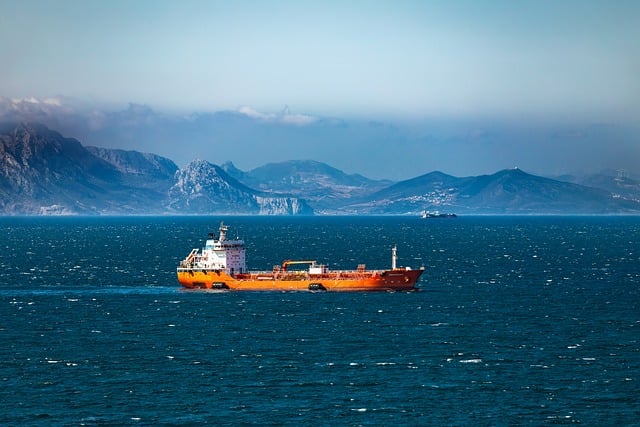
From Gunpowder Barrels to Influence Triggers
To understand the current threat in the Strait of Hormuz, one must look at the three primary categories of mines being deployed:
1. Moored Mines: These are anchored to the seabed but float at a specific depth. They are the classic “spiked ball” seen in cinema, designed to tear through a ship’s hull upon contact.
2. Bottom Mines: These sit directly on the seafloor and are nearly impossible to detect with standard hull-mounted sonar. They are typically used in shallower waters like the Strait.
3. Drifting Mines: The most chaotic of the trio, these move with the current, making them a “blind” weapon that threatens friend and foe alike.
The real evolution, however, is in the detonation mechanism. While contact mines require physical impact, influence mines represent a modern nightmare for logistics. These sensors can be programmed to trigger based on the magnetic signature of a large hull, the acoustic frequency of specific engines, or even the pressure displacement caused by a passing vessel. This means a mine could remain dormant for days, ignoring small patrol boats, only to detonate when a high-value oil tanker passes overhead. As noted by TechCrunch, the disruption to the global supply chain is not just about the ships lost, but the skyrocketing insurance premiums and the complete halt of “just-in-time” delivery systems.
A Precarious Path Forward
The situation in the Strait of Hormuz is a stark reminder that in the age of cyber warfare and hypersonic missiles, 18th-century concepts like the naval mine remain a dominant force in geopolitics. The U.S. Navy’s ability to clear these “hidden killers” will depend on its fleet of autonomous underwater vehicles (AUVs) and minesweeping tech, a sector frequently covered by Engadget. However, the sheer volume of potential mines means that even a 99% success rate in clearing is not enough to reassure the global energy market.
As the IRGC continues to leverage these “dumb” weapons to create a “smart” blockade, the international community faces a choice between military escalation or a permanent shift in how energy is transported globally. The “Valley of Death” is no longer just a metaphor; it is a technical reality that could redefine maritime security for the next decade. The world is now watching to see if the next spark in the Strait comes from a diplomatic breakthrough or a magnetic trigger on the seafloor.