
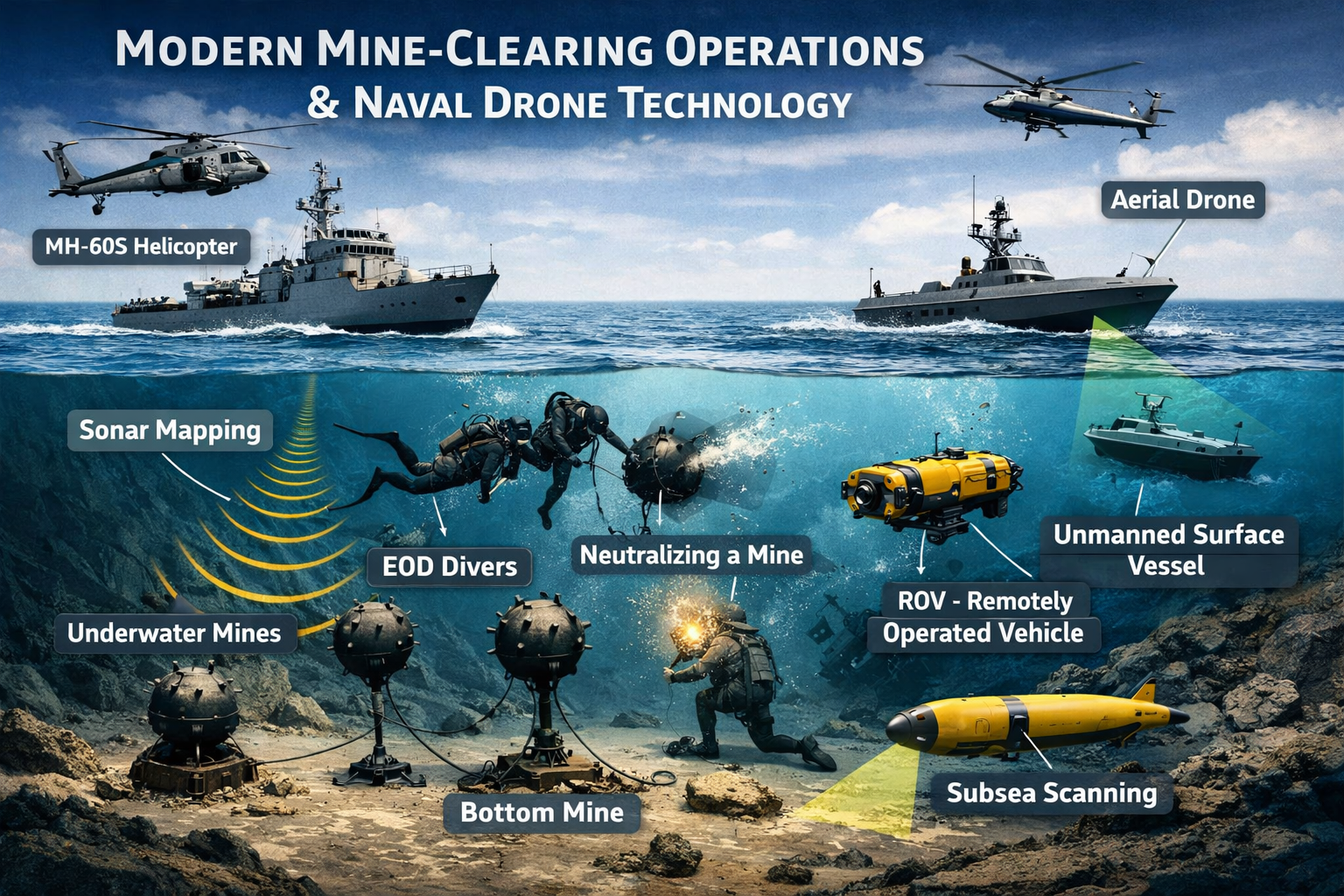
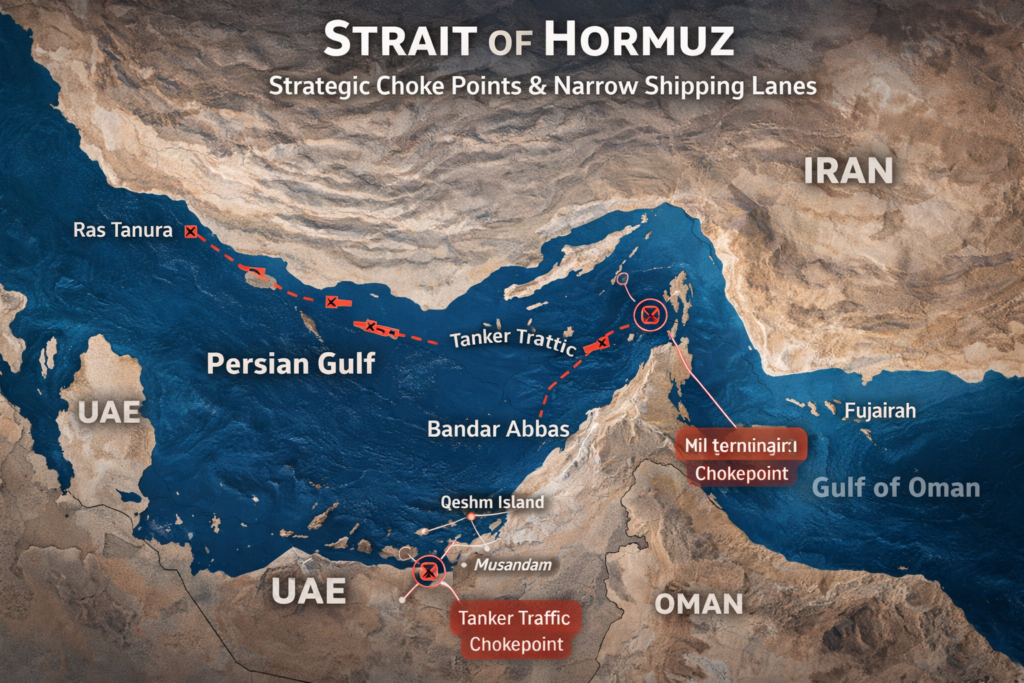
The geopolitical tension in the Middle East has reached a critical flashpoint as reports confirm Iran’s sea mines are being deployed within the Strait of Hormuz, a narrow waterway responsible for the transit of nearly twenty percent of the world’s crude oil. For consumers, this isn’t just a military headline; it’s a potential disruption to the global energy grid that could see fuel prices spike overnight. While the scale of the deployment remains limited to a few dozen devices, the technological threat posed by these “invisible” sentinels has already prompted a swift and aggressive response from the United States military, highlighting the fragile nature of our global energy supply chain.
the destination described in this article.
The Escalation: Iran’s Sea Mines and Global Trade
According to intelligence reports leaked to major outlets, the Islamic Revolutionary Guard Corps (IRGC) has begun seeding the waters with naval explosives. While only a few dozen mines have been detected thus far, the concern lies in Iran’s capacity for rapid escalation. The IRGC operates a vast fleet of small, agile boats capable of deploying hundreds of mines in a matter of hours. This “asymmetric warfare” strategy is designed to level the playing field against much larger naval powers.
The response from Washington was immediate. President Donald Trump, communicating via Truth Social, demanded the immediate removal of the devices, warning of “major consequences” if the mining continues. Following this, Defense Secretary Pete Hegseth announced that U.S. Central Command had already moved to neutralize several Iranian mine-laying vessels. This high-stakes game of maritime chess is a reminder of how quickly government policy and military action can intersect to protect economic interests.
Understanding the Tech Behind Iran’s Sea Mines
To the uninitiated, a sea mine might seem like a relic of the past, but modern versions are sophisticated pieces of hardware. Iran’s sea mines leverage a century of evolution in naval explosives, ranging from simple contact triggers to advanced “influence” sensors.
At its core, a sea mine is a self-contained explosive device placed in water to damage or destroy ships and submarines. The technology dates back to the American Revolution, when Yale student David Bushnell proved that gunpowder could be detonated underwater. While his initial attempts against the British fleet in 1777 were unsuccessful, the concept of the “infernal machine” changed naval strategy forever. Today, as reported by Engadget, the materials science and sensor tech used in these devices have made them harder to detect than ever before.
Classification by Positioning
There are three primary ways these mines are deployed in the water column:
1. Drifting Mines: These float freely on the surface or just below it, moving with the current. They are the most unpredictable and dangerous for civilian shipping.
2. Moored Mines: Are explosive devices that are tethered to an anchor on the ocean floor using a cable. The mine itself floats at a predetermined depth, hidden from sight but positioned perfectly to strike the hull of a passing tanker.
3. Bottom Mines: These sit directly on the seafloor. They are typically used in shallower waters and are packed with enough explosives to create a massive pressure wave capable of cracking a ship’s keel.
Trigger Mechanisms: Contact vs. Influence
The way Iran’s sea mines are detonated is where the technology gets truly frightening. While “contact mines” require a physical touch to explode, “influence mines” are far more advanced. They can be programmed to trigger based on:
* Magnetic Signatures: Detecting the massive amount of steel in a ship’s hull.
* Acoustic Sensors: Listening for the specific sound frequency of a ship’s propellers.
* Pressure Changes: Sensing the displacement of water as a massive vessel passes overhead.
The Human and Economic Cost of a Blocked Strait
For the average consumer, the tech specs of a naval mine are secondary to the impact at the pump. The Strait of Hormuz is often called the “jugular vein” of the global economy. If the IRGC successfully turns the passage into a “valley of death,” the ripple effects will be felt in every sector, from transportation to manufacturing.
We have seen this play out historically. During World War II, the U.S. During Operation Starvation, approximately 12,000 mines were laid in Japanese waters, crippling key supply routes and resulting in the loss of about 650 ships. In the modern era, the threat is even more potent because of our “just-in-time” delivery systems. As noted by security experts at Wired, the psychological impact of a single mine strike is often enough to halt all commercial traffic in a region, as insurance premiums for shipping companies skyrocket to unsustainable levels.
Conclusion: A Digital and Physical Defense
As the U.S. Central Command continues to monitor the situation, the focus is shifting toward autonomous mine-hunting technology. Underwater drones (UUVs) and AI-driven sonar are now the primary tools used to counter Iran’s sea mines. These technologies allow navies to map and neutralize threats without risking human divers.
However, the technology of the mine remains a potent “low-cost, high-impact” weapon. As long as the Strait of Hormuz remains a strategic chokepoint, these underwater explosives will continue to be a primary concern for global security and consumer stability. The world now waits to see if diplomacy can disarm a situation that is quite literally a ticking time bomb.
For more updates on similar news and trending global stories, visit our latest news section.