There is a primal, almost poetic allure to the sound of cold batter hitting shimmering, hot oil. As a critic for The Gilded Fork, I have often found that popular fried foods are more than just indulgent treats; they are edible archives of global migration, colonial exchange, and culinary ingenuity. From the bustling night markets of Saigon to the refined imperial courts of 17th-century France, the act of frying has served as a universal language of comfort. To understand a culture, one must look not just at its finest wines or rarest spices, but at what its people choose to drop into the deep fryer when they seek the ultimate satisfaction.
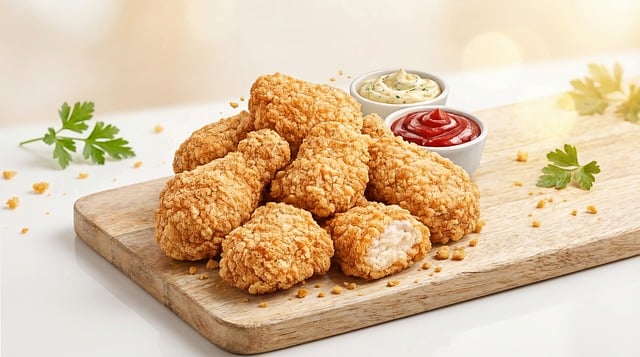
The Portuguese Roots of Popular Fried Foods in Japan
When we think of Japanese cuisine, we often conjure images of minimalist sashimi or steaming bowls of ramen. However, Tempura stands as a testament to the unexpected intersection of East and West. Though now a staple of the Japanese diet, Tempura’s lineage traces back to 16th-century Portuguese missionaries. During the “Quatember” or Ember Days—periods of fasting where meat was forbidden—these missionaries fried vegetables and fish in a light batter. The Japanese adapted this technique, refining the heavy European batter into the ethereal, lace-like coating we celebrate today.
Traditionally, Tempura was prepared using fragrant sesame oil, a practice that many high-end Michelin-starred establishments in Tokyo still uphold. The beauty of Tempura lies in its simplicity: a triad of flour, eggs, and ice-cold water. This temperature shock is what creates the signature “bloom” of the batter, protecting the delicate shrimp or seasonal vegetables within. Served with tentsuyu—a sophisticated dip of dashi, mirin, and soy sauce—it remains one of the most technically demanding popular fried foods to master.
From Royal Palaces to Street Stalls: The Croquette Journey
The croquette, or kroket, is perhaps the ultimate culinary traveler. While many associate it with the vending machines of Amsterdam or the bocadillos of Spain, its origins are decidedly more aristocratic. The first recorded mention of the croquette dates back to 1691 in the court of King Louis XIV. The name is derived from the French verb croquer, meaning “to crunch,” a fitting onomatopoeia for a dish defined by its textural contrast.
Originally a luxury item reserved for the French elite, the croquette eventually democratized, spreading across Europe and eventually to Indonesia during the Dutch colonial era. Whether it is a French croquette de pomme de terre or a Dutch kalfsvleeskroket, the architecture remains the same: a rich, creamy interior (often a thick béchamel or mashed potato base) encased in a golden armor of breadcrumbs. For those looking to recreate this at home, Bon Appétit offers several variations that highlight how this humble cylinder became a global phenomenon.
The Evolution of the Golden Crunch in Asia
While Europe was perfecting the potato, Asia was mastering the art of the wrap. The spring roll, or lumpia, is perhaps the most ubiquitous of all popular fried foods. Originating in China as a seasonal snack to celebrate the arrival of spring, these rolls have branched out into countless regional identities. In the Philippines and Indonesia, lumpia often features a thinner, crispier skin filled with bamboo shoots or minced meat, often served with a pungent garlic-vinegar dip.
Similarly, Vietnam offers us the Bánh Cam. Despite its name translating to “orange cake,” there isn’t a hint of citrus in the recipe; the name refers purely to its golden, spherical appearance. Made from glutinous rice flour and filled with sweetened mung bean paste, these sesame-studded jewels are a masterclass in texture—crispy on the outside, chewy in the middle, and dense at the core. They represent a different side of the frying spectrum, where sugar and starch collide to create something truly addictive.
The Rise of Tonkatsu and the Panko Revolution
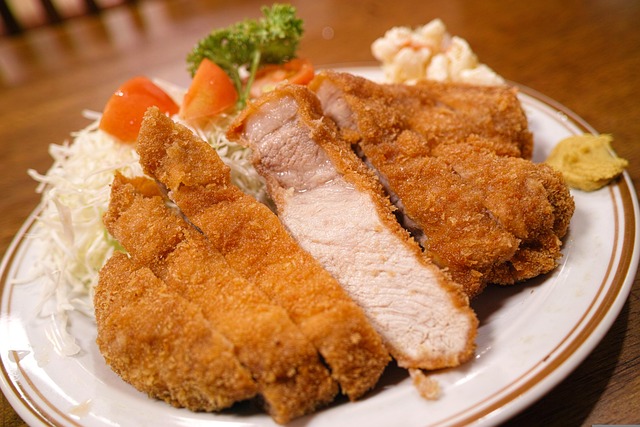
No discussion of fried excellence is complete without mentioning Katsu. While Tempura was a 16th-century import, Tonkatsu (breaded pork cutlet) emerged during the Meiji Restoration as Japan sought to Westernize its palate. What makes Katsu a standout among popular fried foods is the use of panko. Unlike traditional Western breadcrumbs, panko is made from bread baked by electrical current, resulting in a flake that is larger, airier, and less prone to absorbing oil.
According to culinary experts at Food & Wine, the secret to a perfect Katsu is the “double-fry” or the precise resting period that allows the residual heat to finish cooking the meat without toughening the crust. Often served with a mountain of shredded cabbage to cut through the richness, it is a dish that balances intensity with precision. You can read more about how these techniques influenced modern fast-casual dining in our feature on global culinary trends.
Why the World Loves the Deep Fryer
Why do we return to these dishes time and again? Science tells us it’s the Maillard reaction—the chemical process that occurs when heat transforms proteins and sugars into a complex bouquet of flavors and a satisfying crunch. But as a critic, I believe it’s also about memory. Whether it’s a paper bag of hot chips or a silver platter of croquettes, fried food is often the first “treat” we remember from childhood.
As explored by the writers at Eater, the global obsession with frying shows no signs of slowing down. It is a cooking method that rewards patience and respects tradition, even as it evolves to meet modern tastes. From the Portuguese missionaries to the street vendors of Hanoi, the history of the world is written in the sizzle of the pan.
Discover the latest food trends, recipes, and culinary news by exploring our coverage here.