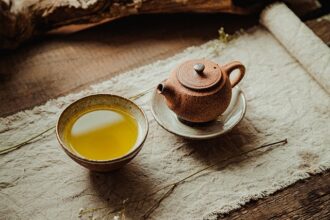

There is a particular alchemy that occurs when boiling water meets the dried leaves of the Camellia sinensis plant, a ritual that has defined civilizations for millennia. As a critic for The Gilded Fork, I often find myself searching for the “soul” of a beverage—that elusive connection between the soil, the climate, and the hands that harvested the crop. In the archipelago, this soul is found within the amber depths of Indonesian Tea, a product that is as much a testament to colonial endurance as it is to modern botanical mastery. To understand the tea we sip today in the grand hotels of Jakarta or the street-side warungs of Bandung, one must look back beyond the steam of the cup to the shadowed corridors of the 17th century.
The Botanical Ambitions of the VOC Era
The story of Indonesian Tea did not begin as a commercial endeavor, but rather as an aesthetic one. While the archipelago had been familiar with tea culture as early as the 7th century through trade with the Tang and Ming dynasties—evidenced by ancient Chinese porcelain unearthed across the islands—it was the Dutch East India Company (VOC) that fundamentally altered the landscape. In 1684, a German botanist named Andreas Cleyer brought tea seeds to the region, not to fill crates for export, but to serve as ornamental flora.
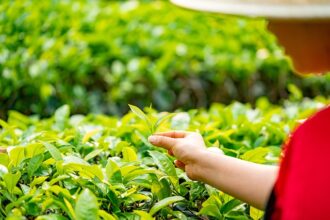
It wasn’t until 1826 that the transition from garden ornament to economic powerhouse began. The VOC recognized the potential of the fertile volcanic soil in the Bogor Botanical Gardens. By 1827, the first large-scale plantations were established in the misty highlands of West Java, specifically in Wanayasa and Gunung Raung. This era marked the birth of an industry that would eventually place Indonesia among the world’s top producers. For those interested in the broader historical context of colonial trade, Eater offers fascinating insights into how global commodities shaped modern palates.
A Tale of Two Grades: The Birth of Jasmine Culture
By 1830, a fascinating social stratification emerged within the world of Indonesian Tea. The highest quality leaves—the “Grade One” premium pickings—were almost exclusively reserved for the European elite, shipped directly to the warehouses of Amsterdam. Meanwhile, the local population developed a taste for what was then considered “Grade Two” tea.
These were the older leaves and broken fragments, which possessed a sharper, more astringent profile. To mask the bitterness and enhance the experience, locals began scenting these leaves with jasmine blossoms. This “sepisat” (bitter and astringent) flavor profile, balanced by the floral aroma of jasmine, became the definitive characteristic of Indonesian tea culture. Even today, many Michelin Guide recognized establishments in Southeast Asia pay homage to this history by serving high-end jasmine blends that mimic these traditional flavor profiles.
The Assamica Revolution and Modern Expansion
The industry underwent a seismic shift in 1877 when Camellia camellia var. assamica was introduced from Sri Lanka. Unlike the original Chinese varieties, the Assamica plant thrived in the tropical heat and high humidity of Java and Sumatra, leading to a massive surge in production. This botanical pivot transformed the legacy of the Spice Islands into a tea-producing powerhouse.
By the mid-20th century, between 1940 and 1980, the landscape was dotted with over 320 tea companies. Following Indonesia’s independence in 1945, the sector was nationalized and further expanded. By the 1980s, the nation was producing over 157,000 tons of tea annually, with the vast majority still hailing from the lush, terraced hills of West Java. For a deeper look at the technical aspects of tea brewing and how these different varieties impact flavor, the experts at Bon Appétit provide excellent guides for the modern enthusiast.
The Cultural Tapestry of the Modern Steep
Today, Indonesian Tea is more than an export commodity; it is a social lubricant. In every Indonesian household, offering a guest a cup of tea is an unbreakable law of hospitality. Whether it is the sweetened “Teh Botol” found in every convenience store or the artisanal loose-leaf varieties found in luxury boutiques, the beverage remains a cornerstone of the national identity.
As we look toward the future, the global market is increasingly turning its eyes back to Indonesia’s premium offerings. High-altitude oolongs and white teas from the regions of West Java and Sumatra are now competing on the world stage, often featured in the trend reports of Food & Wine for their unique terroir and sustainable harvesting methods.
The journey of the tea leaf—from a 17th-century ornamental plant in a Dutch botanist’s garden to a multi-million dollar industry—is a narrative of adaptation and resilience. For the food critic, every sip of a well-brewed Javanese tea offers a taste of this history: a bit of the volcanic earth, a hint of colonial ambition, and the sweet, lingering scent of jasmine that defines a nation.
The Legacy Continues
– 1684: First seeds introduced by Andreas Cleyer.
– 1826: Systematic planting begins in Bogor.
– 1877: Introduction of the Assamica variety.
– 1945: Nationalization and post-independence boom.
– Today: Indonesia remains a top global producer of high-quality black and green teas.
Discover the latest food trends, recipes, and culinary news by exploring our coverage here.