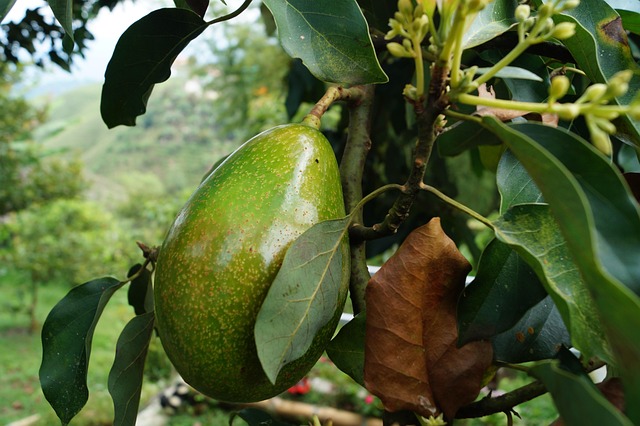
To walk through a modern marketplace is to witness the undisputed reign of the Avocado. This “alligator pear,” once a hidden treasure of Mesoamerican jungles, has ascended to the pinnacle of global culinary culture, gracing everything from rustic sourdough to the refined tasting menus of Michelin-starred establishments. But as we smear this emerald butter across our morning toast with religious frequency, a question arises from the depths of the galley: is our daily devotion to this fruit a boon for our longevity, or a seductive excess?
The Aztec Legacy and the Rise of Green Gold
Before it was a staple of the “clean eating” movement, the Avocado—known as ahuacatl to the Aztecs—was a symbol of vitality and fertility. Ancient civilizations prized it not just for its rich, custodary texture, but for the sustained energy it provided. It was a luxury of the earth, often paired with ancient grains and chilies in a diet that balanced indulgence with necessity.
The transition from a regional curiosity to a global powerhouse was a feat of 20th-century rebranding. In the early 1900s, the California Avocado Association successfully lobbied to change its common name from “alligator pear” to the more exotic “avocado,” positioning it as a premium delicacy. Today, it is the darling of Eater headlines and a non-negotiable item on brunch menus worldwide.
The Nutritional Impact of Eating Avocado Every Day
From a clinical perspective, the allure of the fruit is backed by significant substance. Nutritionist Lauren Manaker recently shared insights via Delish, noting that the Avocado is a nutrient-dense powerhouse. It is famously rich in monounsaturated fats, specifically oleic acid, which has been linked to reduced inflammation and improved heart health.
When you consume this fruit, you aren’t just eating fat; you are consuming a complex cocktail of vitamins. It boasts higher levels of potassium than the humble banana, a mineral essential for maintaining healthy blood pressure and muscle function. Furthermore, its high fiber content—essential for digestive health—ensures a sense of satiety that few other fruits can replicate.
The Science of Satiety and Heart Health
“The short answer [to whether daily consumption is safe] depends on what else you eat overall, how much you consume, and several other factors,” Manaker explains. For most healthy individuals, incorporating the fruit into a daily regimen is not only safe but beneficial. The monounsaturated fats act as a vehicle for fat-soluble vitamins (A, D, E, and K) from other vegetables, making your salads more nutritionally effective.
According to research often cited by Food & Wine, those who replace saturated fats (like butter or lard) with the creamy flesh of this fruit often see a marked improvement in their cholesterol profiles. It is a rare instance where the most delicious option is also the most heart-healthy.
The Gilded Fork’s Warning: The Calorie Conundrum
However, even the most exquisite ingredients require temperance. As a critic, I must remind my readers that the Avocado is calorie-dense. A single medium fruit contains approximately 240 calories. While these are “high-quality” calories, they are calories nonetheless. If one adds a whole fruit to an already calorie-heavy diet without adjustment, the “green gold” may lead to unintended weight gain.
Furthermore, those with specific medical conditions must tread carefully. Because of its high potassium content, individuals with kidney issues should consult a specialist before making it a daily habit. Excellence in gastronomy—and health—is always a matter of balance.
Crafting the Perfect Balance
To truly appreciate the Avocado, one should look to the recipes curated by Bon Appétit, which emphasize variety. Manaker stresses that no single food is a panacea. The key to a long and vibrant life lies in the diversity of the plate. Use the fruit to enhance a meal, not to define it.
Whether you are enjoying it as a simple snack with a squeeze of lime and a pinch of Maldon salt, or incorporating it into a sophisticated mousse, remember its history. It is a gift from the ancient world that has survived the test of time.
Final Thoughts from The Gilded Fork
Is the Avocado dangerous? Hardly. It remains one of the most nutritionally complete foods available to the modern epicurean. As long as you remain mindful of the portions and ensure your diet remains a tapestry of different nutrients, there is no reason to banish this buttery delight from your daily table.
In the grand narrative of food history, the “alligator pear” has earned its place. It is a testament to the fact that sometimes, the most indulgent textures in nature are exactly what our bodies need to thrive. Eat well, eat mindfully, and let the green gold continue its reign—in moderation.
Discover the latest food trends, recipes, and culinary news by exploring our coverage here.