The lights of Budapest are ready. So are two clubs desperate to define an era.
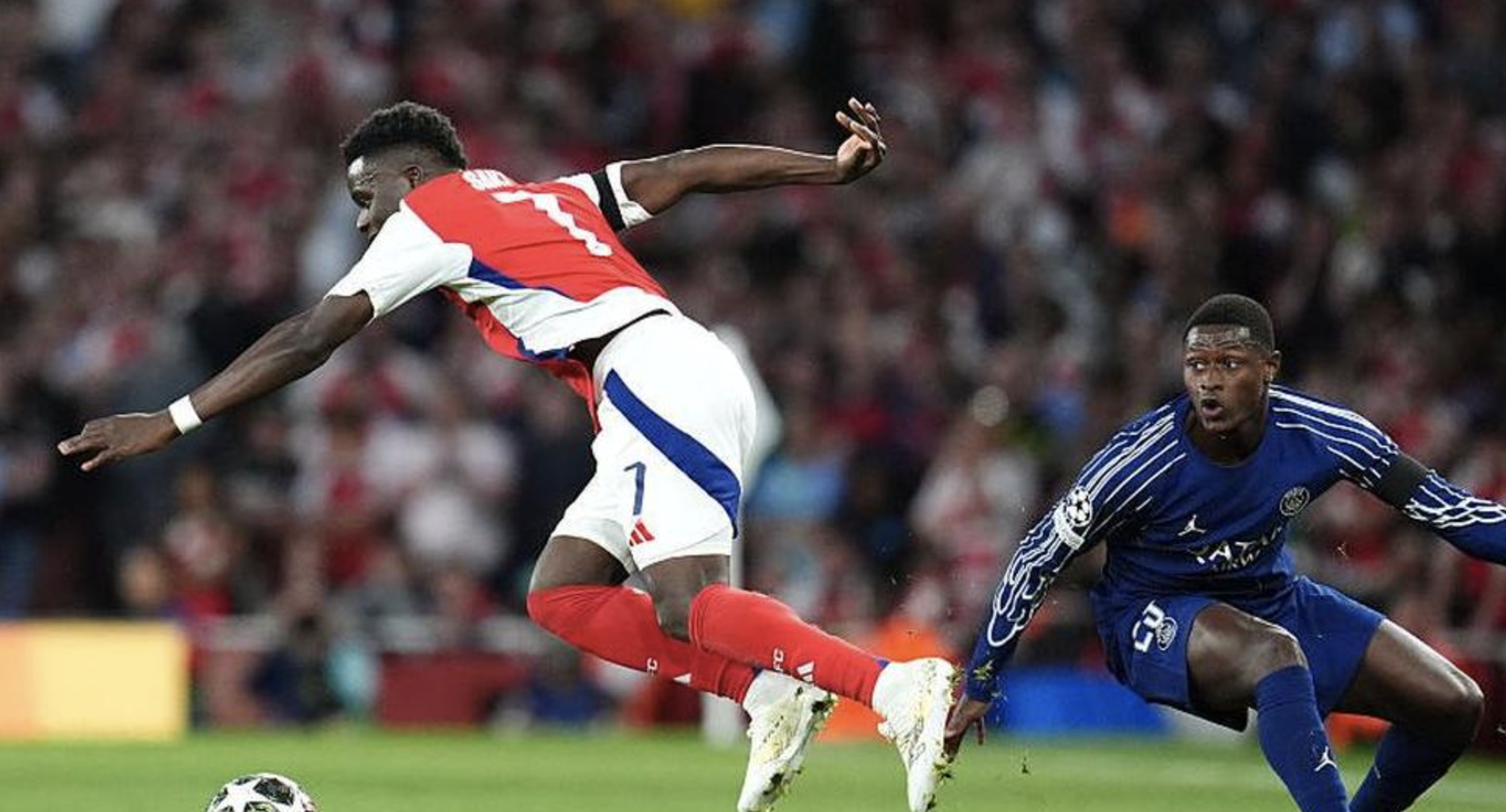
After months of chaos, brilliance, tactical reinvention, and European drama, the 2025/26 UEFA Champions League season now comes down to one final night: PSG vs Arsenal at the Puskas Arena.
For Paris Saint-Germain, this is an opportunity to cement themselves as the new rulers of European football after finally breaking their Champions League curse last season. For Arsenal, it is something even more emotional — the chance to win the first European Cup in the club’s history and erase decades of heartbreak that still haunt supporters from North London.
On May 30, Budapest will host more than a football match.
It will stage a collision between two modern superpowers trying to prove they belong at the very top of the game.
PSG Arrive Hardened by Chaos
PSG’s route to the final has been anything but comfortable.
Their dramatic semifinal against Bayern Munich already feels destined to become part of Champions League folklore. A wild first leg in Paris ended in a chaotic goal-fest that had Thierry Henry claiming the match had “saved football” from tactical boredom — a reaction that perfectly captured the madness of the occasion.
You can also read our previous coverage of the controversial semifinal here:
PSG Secures UCL Final Spot as Bayern Fans Fume Over VAR Calls
The second leg in Munich was even more emotionally draining.
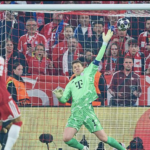
Inside a furious Allianz Arena, PSG were forced to survive relentless Bayern pressure, controversial VAR moments, and a hostile atmosphere that intensified with every missed opportunity. Yet amid the noise, Luis Enrique’s side showed something previous PSG teams rarely possessed: composure under pressure.
This version of PSG no longer looks like a collection of celebrities wearing the same shirt. It looks like a team.
The transformation has been subtle but undeniable. Their pressing is more coordinated, the midfield works harder without the ball, and their attacking transitions are devastatingly direct. Players who once looked disconnected now appear fully committed to Enrique’s demanding system.
Most importantly, PSG finally seems emotionally stable in big European nights — something that repeatedly destroyed them in previous campaigns.
According to reports from ESPN, PSG covered significantly more defensive distance against Bayern than in any knockout match during the last three seasons, highlighting how dramatically the mentality inside the squad has evolved.
Arsenal’s Moment of Destiny
While PSG survived chaos, Arsenal arrived in Budapest through control.
Mikel Arteta’s side eliminated Atletico Madrid with the kind of disciplined performance that would have been impossible to imagine during Arsenal’s more fragile years. There was no panic. No emotional collapse. No unnecessary risk.
Just maturity.
That might be the biggest compliment anyone can give this Arsenal team.
For years, Arsenal sides in Europe were admired but rarely feared. They played attractive football, produced technical players, and often collapsed the moment pressure intensified. That narrative is slowly disappearing.
Now, Arsenal looks cold-blooded.
Martin Ødegaard dictates rhythm with authority. Declan Rice has transformed the midfield physically and mentally. Bukayo Saka continues to deliver in decisive moments. Even defensively, Arsenal finally resembles a side capable of surviving ugly matches.
Sky Sports recently described Arsenal as “a team that now understands how to suffer,” and that mentality shift may be the reason they are one win away from history.
For older supporters, the memories of Paris in 2006 still sting deeply. Arsenal reached the final that year only to lose against Barcelona after Jens Lehmann’s early red card shattered their dreams.
Twenty years later, destiny has offered another opportunity.
Budapest Becomes Football’s Center of Gravity
Few stadiums in Europe generate atmosphere quite like the Puskas Arena under the lights.
By kickoff, more than 67,000 supporters are expected to transform Budapest into a sea of red, blue, and white. Hotels across the city are already nearing capacity, while UEFA expects record international demand for tickets and hospitality packages.
But beyond the commercial spectacle lies something more important: this final feels fresh.
For years, Champions League finals were dominated by the same traditional aristocrats — Real Madrid, Barcelona, Bayern Munich, AC Milan. This year feels different.
PSG and Arsenal represent football’s modern evolution:
- globally branded
- tactically progressive
- aggressively ambitious
- shaped by modern ownership structures
- built for a younger global audience
That reality may frustrate traditionalists, but it also reflects where elite football is heading.
The Tactical Battle Could Be Explosive
The most fascinating aspect of this final may be stylistic.
Arsenal prefers control.
PSG thrives in transition chaos.
Arteta’s side will likely dominate possession phases, attempting to manipulate PSG’s midfield shape through patient circulation. PSG, meanwhile, will look to explode into open spaces the moment Arsenal loses structure.
That creates a dangerous tension.
If Arsenal pushes too aggressively, PSG’s pace could destroy them in transition — exactly as Bayern discovered repeatedly in the semifinals. But if Arsenal successfully controls tempo and territory, they could suffocate PSG’s attacking rhythm entirely.
The duel between Arsenal’s high defensive line and PSG’s rapid front three may ultimately decide the final.
One mistake.
One transition.
One loose touch in midfield.
At this level, that is often enough.
More Than a Trophy
This final carries emotional weight for both clubs far beyond silverware.
For PSG, victory would validate years of investment, criticism, and painful European failures. Winning back-to-back Champions League titles would completely change how the club is perceived historically.
For Arsenal, the stakes feel even more personal.
This is about legacy.
Arsenal has won league titles, FA Cups, and built iconic teams under Arsène Wenger, but the absence of a Champions League trophy has always left an empty space in the club’s identity. Winning in Budapest would instantly become the greatest night in Arsenal’s modern history.
And perhaps that emotional edge is what makes this final feel special.
Neither club is defending tradition here.
Both are chasing transformation.
Match Details
- Event: UEFA Champions League Final 2025/26
- Match: PSG vs Arsenal
- Venue: Puskás Aréna
- Date: Saturday, May 30, 2026
- Kick-off: 21:00 CET
As Budapest prepares for one of the biggest nights in modern European football, the question is no longer whether these clubs belong among the elite.
They already do.
Now comes the harder part:
proving who deserves to rule Europe.