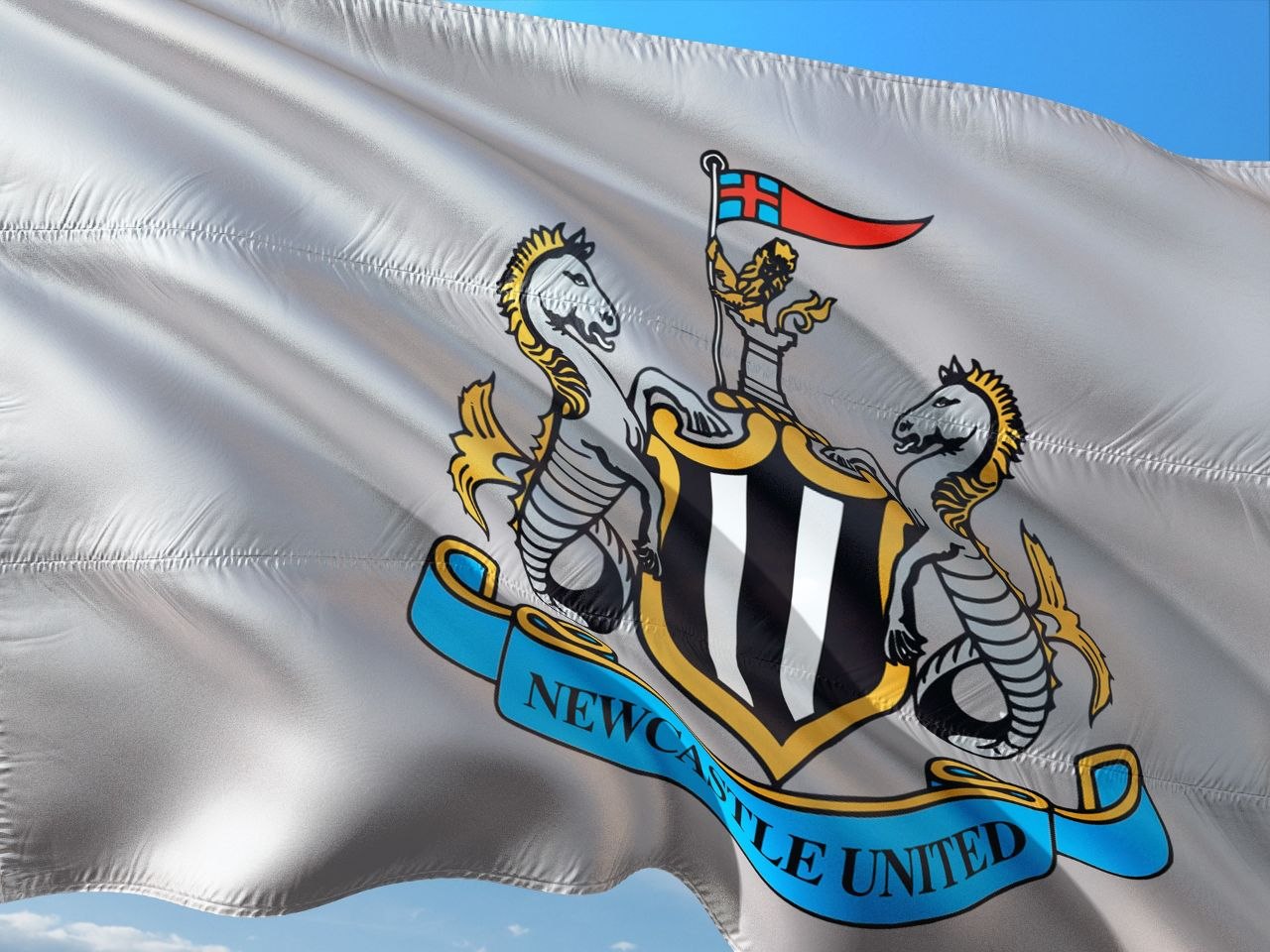
Newcastle United has rapidly transformed from a sleeping giant into a powerhouse both on and off the pitch, showcasing a masterclass in sportainment strategy. The club’s resurgence, spearheaded by the significant investment from Saudi Arabia’s Public Investment Fund (PIF), offers crucial insights into how modern football clubs can balance the pursuit of silverware with robust business growth. This dramatic shift isn’t just about big spending; it’s a meticulously crafted strategy to elevate the brand, expand revenue streams, and ensure long-term sustainability within the demanding landscape of elite football.
Newcastle United’s Strategic Reawakening Under PIF
The acquisition of Newcastle United by the PIF in October 2021 marked a pivotal moment, injecting not just capital but also a clear vision for the club’s future. The focus extends beyond immediate playing squad improvements to encompass infrastructure development, global brand expansion, and a commitment to community engagement. This holistic approach is essential for any modern sports entity aiming for sustained success, mirroring the intricate balance required to thrive in a competitive global market. The PIF’s long-term investment philosophy is evident in their patient yet ambitious plans, aiming to build a club that consistently competes at the highest levels of the Premier League and in European competitions.
From Survival to Sustainability: A Business Model Shift
Historically, Newcastle United operated with a more conservative financial model, often criticized for a lack of ambition. The PIF’s arrival heralded a fundamental shift, moving the club towards a model that prioritizes strategic investment to unlock commercial potential. This includes significant upgrades to the training ground, academy, and St. James’ Park itself, all designed to enhance the club’s appeal to players, fans, and commercial partners. The long-term objective is to transform Newcastle United into one of the most commercially attractive football clubs globally, leveraging its passionate fanbase and rich heritage.
Central to this strategy is navigating the complexities of Financial Fair Play (FFP) regulations. Unlike a blank cheque approach, the PIF’s investment must adhere to rules set by the Premier League and UEFA. This necessitates a clever blend of direct investment and organic revenue growth, achieved through increased sponsorship deals, enhanced matchday revenues, and boosted merchandise sales. The club’s commercial team works diligently to attract new partners and maximize existing relationships, turning sporting success into commercial dividends. For more on how clubs manage finances, explore Football Club Financial Fair Play.
Unlocking Commercial Value: Sponsorships and Global Reach
A crucial aspect of Newcastle United’s business transformation involves leveraging its newfound status to secure lucrative commercial partnerships. The initial focus was on stable, long-term deals that provide predictable revenue streams while expanding the club’s global footprint. Strategic partnerships with companies like Sela, a Saudi-based event management company, are not just about financial backing; they represent a symbiotic relationship aimed at enhancing both brands on a global stage. The club actively seeks partnerships that align with its values and ambitions, demonstrating a sophisticated understanding of brand synergy in the sportainment sector.
The club’s ownership, led by Saudi Arabia’s Public Investment Fund, opens doors to new markets and opportunities, particularly in the Middle East and Asia. This expanded reach allows Newcastle United to tap into a vast, growing football fanbase, increasing merchandise sales, digital engagement, and ultimately, commercial appeal. Building a strong international presence is vital for clubs aspiring to compete with the established global brands like Real Madrid and Manchester United, who have spent decades cultivating their worldwide following.
Data-Driven Decision Making and Brand Building
Modern football business relies heavily on data analytics, not just for player recruitment but also for commercial strategy. Newcastle United employs sophisticated data models to understand fan demographics, market trends, and sponsorship effectiveness. This data-driven approach ensures that commercial decisions are optimized for maximum return on investment, contributing to the club’s sustainable growth. Furthermore, meticulous brand building efforts are underway, focused on portraying Newcastle United as a progressive, ambitious, and community-oriented club. This involves targeted marketing campaigns, engaging social media content, and active participation in local initiatives, solidifying its identity beyond the pitch.
The impact of this robust business strategy is clear in the club’s improved financial standings. Reports like the Deloitte Football Money League regularly highlight the financial performance of top European clubs. Newcastle United’s trajectory shows a clear climb in revenue generation, signifying the effectiveness of their strategy to turn sporting aspiration into tangible commercial success. This journey demonstrates that significant investment, when coupled with a strategic business plan, can redefine a club’s standing in the fiercely competitive world of football.
The club’s approach is a blueprint for balancing immediate sporting needs with long-term financial health. By investing in talent, infrastructure, and brand, Newcastle United is not merely buying success; it is systematically building a resilient and formidable entity. This integrated sportainment model ensures that as the team climbs the league table, the club’s commercial value and global appeal rise in tandem, securing a future where massive gains are both sporting and economic.