In an era where the global cost of living continues to climb, a viral story from Southeast Asia has sparked a fierce debate over the limits of personal sacrifice. A Malaysian woman has captured the internet’s attention by documenting her journey of extreme budgeting, revealing that she survives on just RM 2.50 (approximately $0.53 USD) per day for her meals. While many see her discipline as an admirable feat of financial willpower, others are questioning the socio-economic pressures that drive a young professional to such lengths to secure her future and support her family.
The Mechanics of a RM 2.50 Daily Diet
The woman, whose story went viral on the social media platform Threads, shared a transparent look at her bank account and daily routine. With a remaining balance of RM 718.92 (approx. $152 USD) to last the month, she opted for a radical approach to her grocery and dining expenses. Her strategy is remarkably simple yet physically demanding: she skips breakfast entirely, consuming only water throughout the morning.
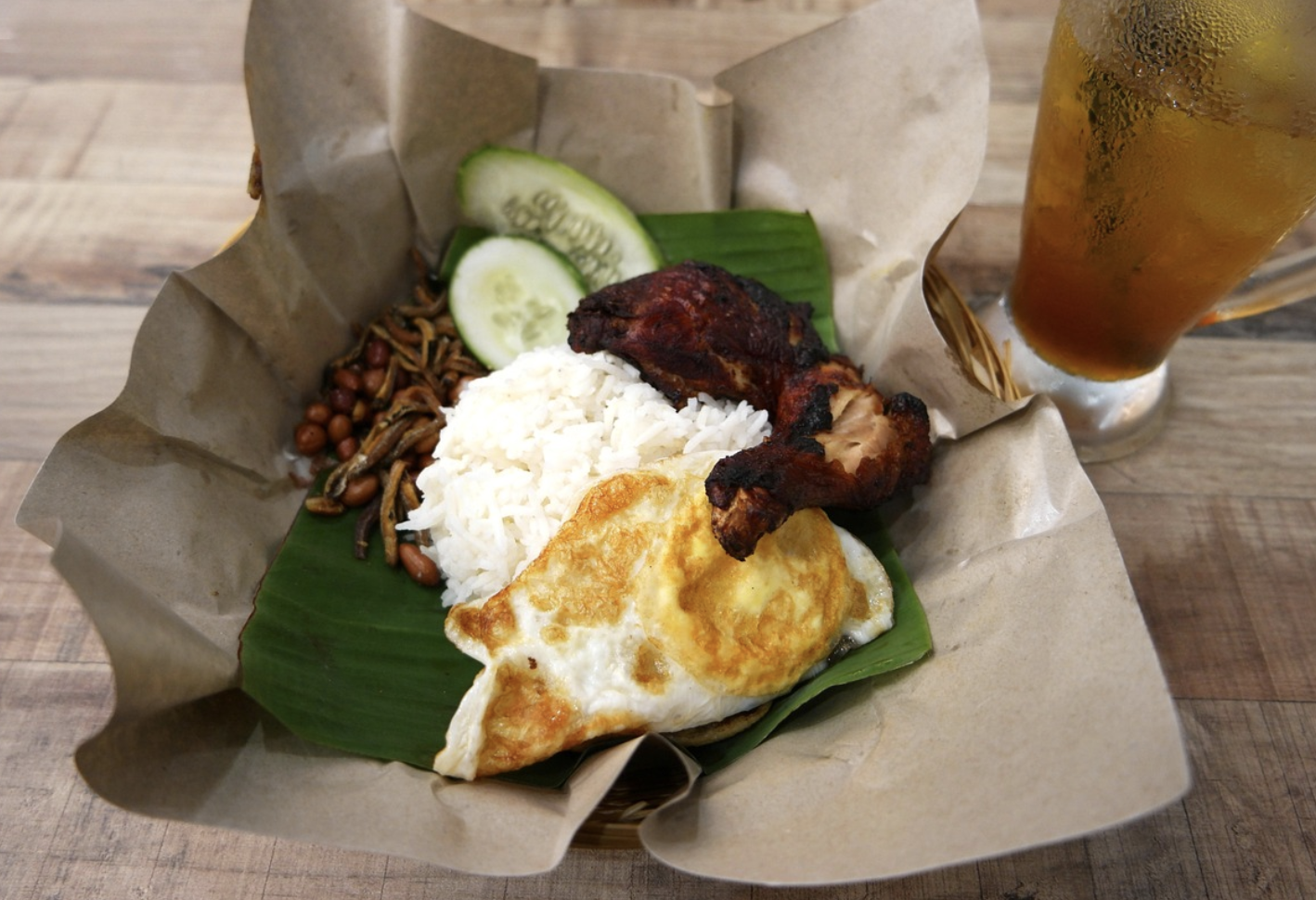
For lunch, her staple is a single serving of nasi lemak—a fragrant coconut rice dish—accompanied by two boiled eggs, costing exactly RM 2.50. By repeating this routine daily, her total monthly expenditure on lunch totals roughly RM 75. According to reports from BBC News, similar stories of “frugal living” are becoming increasingly common as inflation impacts staple food prices across developing economies.
Beyond her diet, she has virtually eliminated discretionary spending. She has stopped shopping for non-essentials and has withdrawn from social gatherings with friends, citing the high cost of “standard” lifestyles as a primary drain on savings.
Why Extreme Budgeting Is a Necessity, Not a Choice
To understand this level of austerity, one must look at the woman’s broader financial obligations. Contrary to initial assumptions that she was simply “being cheap,” she clarified that her RM 700 balance was not for her alone. She is a member of the “sandwich generation,” a term often used by The New York Times to describe individuals who must support both their parents and their younger siblings while trying to save for their own futures.
“I have four younger siblings,” she explained in a follow-up post. “Sometimes I send money back to my family. This money isn’t 100% for me.”
Furthermore, she remains committed to a mandatory savings goal of RM 500 per month for an emergency fund. In an unpredictable economic climate, where Reuters has highlighted the volatility of job markets in emerging Asia, having a liquid safety net is a priority that outweighs the comfort of a diverse diet.
The Social Ethics of Extreme Budgeting in Modern Economies
The viral post has elicited a mixed bag of reactions from the Malaysian public and global observers alike. On one hand, some netizens offered practical advice to make her extreme budgeting more sustainable. One popular suggestion involved a “chicken hack,” where purchasing a whole roasted chicken for RM 19 could provide a week’s worth of protein, offering more nutritional variety than boiled eggs alone.
However, a more critical segment of the audience argues that such extreme measures should not be normalized. Financial experts suggest that while saving is vital, the “starvation method” of budgeting can lead to long-term health costs that far outweigh the short-term savings. You can read more about balancing health and wealth in our related guide on sustainable saving strategies.
Inflation and the “Cheap Meal” Myth
The reality is that even the “cheap” RM 2.50 nasi lemak is becoming a rarity. As AP News reports, the rising costs of sugar, rice, and cooking oil are forcing street vendors to raise prices or shrink portion sizes. This “shrinkflation” makes it harder for low-income earners to maintain even a basic level of caloric intake without spending a larger percentage of their take-home pay.
For many in the middle class, the woman’s story is a wake-up call regarding the fragility of financial stability. If a single person with a steady job must resort to skipping meals to support their family and save RM 500, what does that say about the current minimum wage and the “living wage” requirements in urban centers like Kuala Lumpur?
Finding a Middle Ground
While the woman’s dedication to her family and her emergency fund is heroic, her story highlights a desperate need for better financial literacy and systemic economic support. Extreme budgeting may solve a short-term cash flow problem, but it is rarely a permanent solution for wealth building.
Netizens have encouraged the woman to look into home-cooking simple dishes like fried rice or ikan bilis (anchovies) with vegetables, which can be bought in bulk at night markets for a discount. These alternatives provide the necessary nutrients to keep the body functioning while maintaining a strict budget.
As she concluded her viral thread, the woman offered a prayer for ease and blessings for everyone facing similar financial struggles. Her story remains a poignant reminder of the hidden sacrifices many are making behind the scenes to keep their families afloat in a challenging global economy.