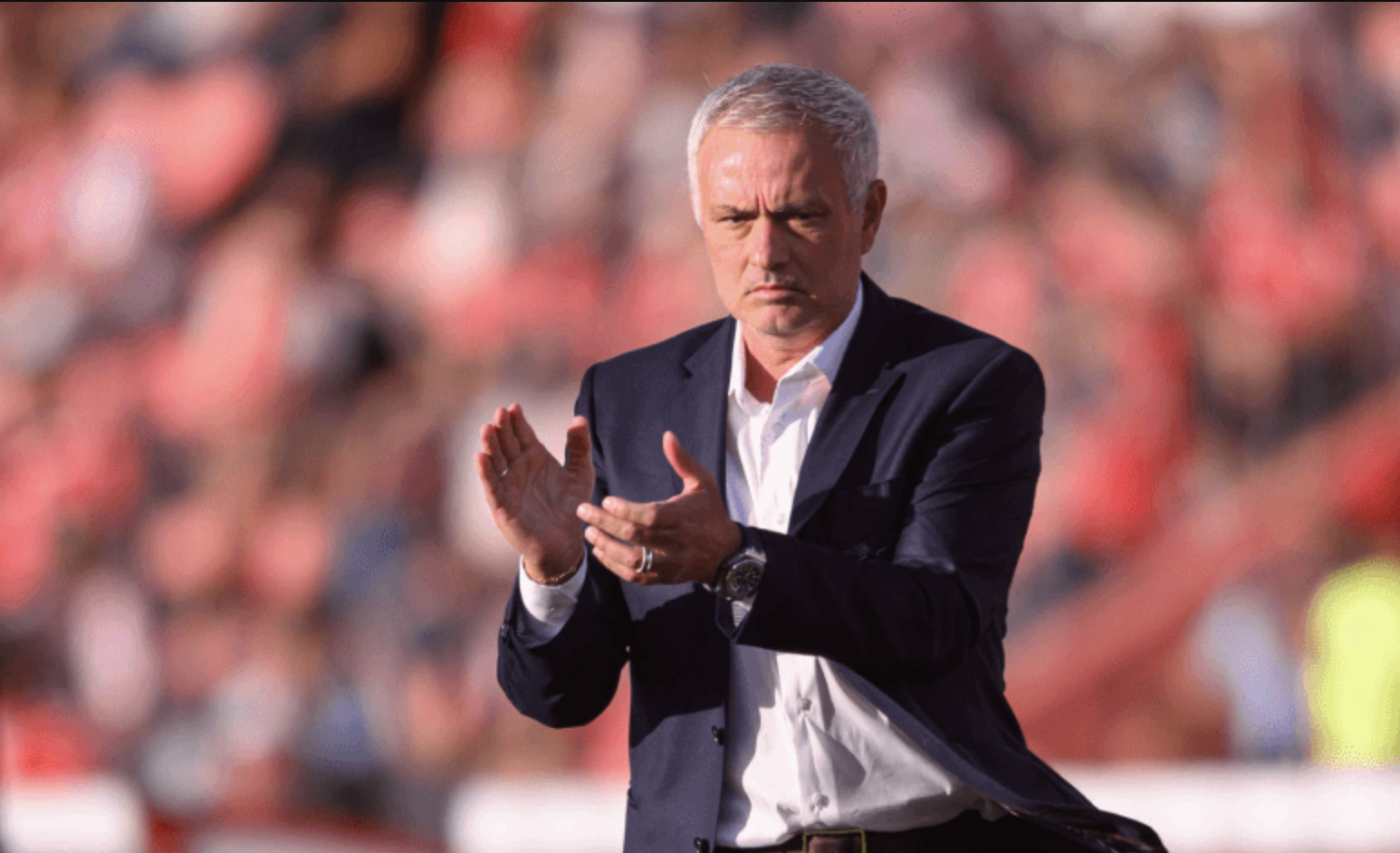
In a move that has sent shockwaves through the global football landscape, Jose Mourinho has officially been appointed as the head coach of Real Madrid for a second time. The announcement, made late Thursday evening at the Santiago Bernabéu, marks the return of one of the most polarizing and successful figures in the club’s modern history. After a thirteen-year absence from the Spanish capital, the Portuguese tactician has signed a contract that will keep him at the helm of the Merengues until June 30, 2029.
The Financial Details and Timeline of the Appointment
The return of the “Special One” was not a simple negotiation. Real Madrid reached an agreement with Portuguese giants Benfica to trigger a buyout clause valued at €15 million, as Mourinho was still under contract in Lisbon until 2027. Despite his age—now 63—Mourinho remains one of the most expensive managerial acquisitions in the sport, a testament to the high regard in which he is still held by Madrid’s president, Florentino Perez.
According to the official club statement, Mourinho will formally begin his duties on July 13, 2026, coinciding with the start of the first-team’s pre-season training. This timeline allows him a full summer window to restructure a squad that has struggled to find its identity over the past twenty-four months.
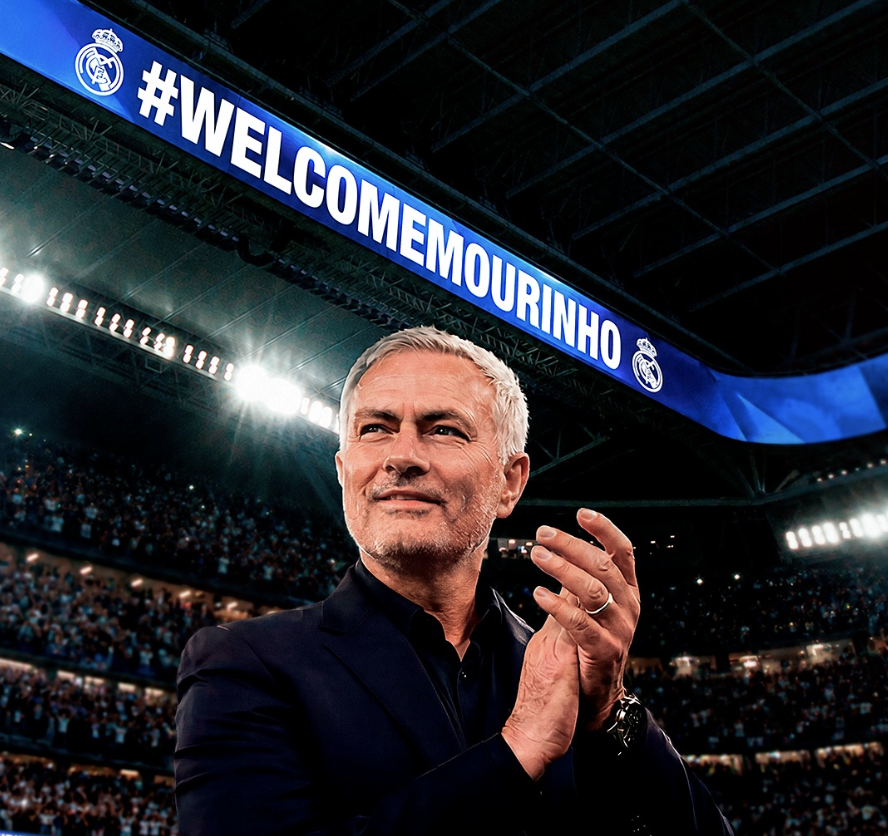
The Strategic Vision Behind Jose Mourinho’s Shock Return
The decision to bring back Jose Mourinho comes at a time of perceived crisis for the world’s most decorated club. Following the departures of Carlo Ancelotti and subsequent short-lived tenures by Xabi Alonso and Alvaro Arbeloa, Real Madrid has endured two consecutive seasons without a major trophy. For a club defined by its dominance in La Liga and the Champions League, this drought was deemed unacceptable by the board.
Florentino Perez has long been an admirer of Mourinho’s “siege mentality” and his ability to deliver immediate results. During his first stint between 2010 and 2013, Mourinho was credited with breaking the dominance of Pep Guardiola’s legendary Barcelona side, securing a record-breaking La Liga title with 100 points and a Copa del Rey victory. However, the one trophy that eluded him during that era was the UEFA Champions League, where he suffered three consecutive semi-final heartbreaks.
Analyzing the “New” Mourinho: From Roma to Benfica
Critics of the appointment point to Mourinho’s recent track record, questioning if his tactical approach still resonates in the high-pressing era of 2026. After leaving the Premier League, Mourinho found a second wind in Italy, leading AS Roma to a historic UEFA Conference League title in 2022.
Most recently, at Benfica, Mourinho showcased a slightly more expansive style of play, leading the team through an unbeaten domestic run. However, the season ended in frustration as they finished third behind rivals Porto and Sporting CP. Despite this, his ability to manage big egos and handle the intense pressure of the Spanish media—often referred to as the “Madridista pressure cooker”—makes him a unique candidate. For more on how the club’s philosophy has shifted, see our analysis on Real Madrid’s tactical evolution over the last decade.
Can the Special One Restore the Glory?
The task ahead is monumental. Mourinho inherits a squad brimming with young talent but lacking the discipline and defensive rigidity that defined his best teams at Inter Milan and Chelsea. With the rise of state-funded clubs and the increasing competitiveness of the Premier League, Real Madrid’s status as the pinnacle of football is under threat.
According to Sky Sports, Mourinho has already identified three key areas for reinforcement: a commanding central defender, a holding midfielder in the mold of Xabi Alonso, and a veteran striker to provide depth. His relationship with the current squad, particularly the younger stars who grew up watching his “Special One” persona, will be crucial.
A Symbiotic Relationship Revisited
The football world is divided on whether this reunion will result in a masterpiece or a disaster. On one hand, Mourinho provides the character and authority that the dressing room has lacked. On the other, his history of “third-season meltdowns” remains a concern for the long-term stability of the club.
As we look toward the 2026/2027 season, one thing is certain: the spotlight on the Bernabéu has never been brighter. Whether he is lifting the Champions League trophy in 2029 or parting ways amidst controversy, the return of Jose Mourinho ensures that Real Madrid remains the center of the sporting universe.
For further updates on transfer news and tactical breakdowns, stay tuned to Bleacher Report’s Madrid coverage as the Mourinho era 2.0 begins.