The 2026 FIFA World Cup has only just begun—but controversy has already arrived.
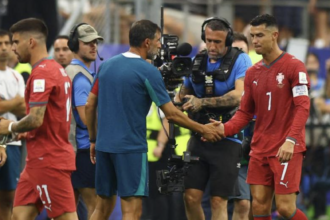
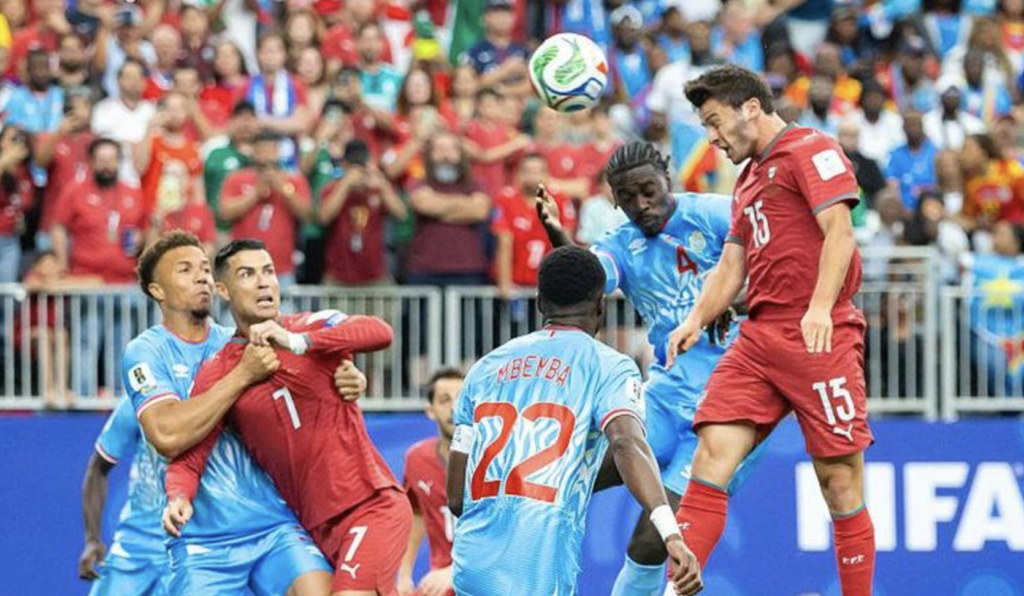
Portugal’s campaign started with frustration rather than dominance, as they were held to a shocking 1-1 draw by DR Congo in their Group K opener at the NRG Stadium in Houston. But beyond the result itself, the spotlight quickly shifted to one man: Cristiano Ronaldo.
At 41 years old, the global icon once again finds himself at the center of football’s biggest debate.
Is he still the difference-maker—or has he become the problem?
A Promising Start That Quickly Unraveled
On paper, this was supposed to be a routine victory.
Portugal entered the match as clear favorites and initially looked the part. Under Roberto Martinez, the team displayed fluid attacking movement and controlled possession early on.
The breakthrough came through João Neves, who calmly finished a well-worked move to give Portugal the lead. At that moment, it seemed like the expected script was unfolding.
But football rarely follows expectations.
Just before halftime, Yoane Wissa capitalized on a defensive lapse to equalize for DR Congo—silencing the Portuguese momentum and shifting the energy of the match.
Despite dominating possession (over 65%) and registering 18 shots, Portugal failed to find a winner. The problem wasn’t control—it was execution.
The Cristiano Ronaldo Debate: Legend or Liability?
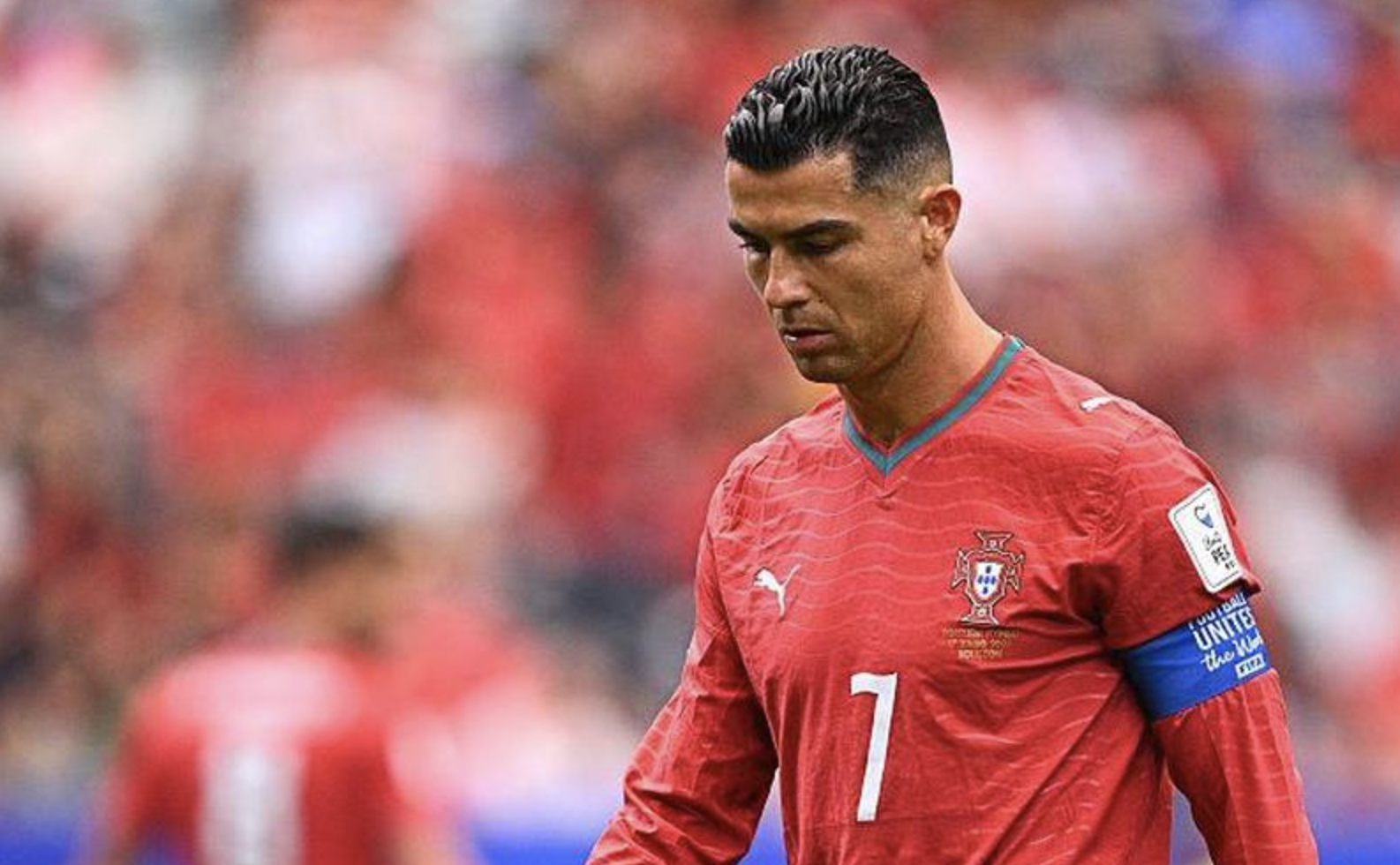
As always, the post-match narrative centered on Cristiano Ronaldo.
Martinez’s decision to keep his captain on the pitch for the full 90 minutes has sparked intense global debate. Supporters argue that Ronaldo’s movement and positioning remain elite, but he was simply not given enough service.
Clips circulating online show him making intelligent runs—only to be ignored as teammates opted for long shots or safer passes.
For his loyal fans, the issue is clear:
Portugal isn’t using him correctly.
Critics Raise Tough Questions
But not everyone agrees.
A growing number of analysts argue that Portugal may be holding onto the past at the expense of the future. The term “post-power syndrome” has begun trending—a reference to leaders who struggle to step aside as their influence declines.
Critics believe Ronaldo’s presence forces the team to revolve around him, potentially limiting the impact of younger, more dynamic players.
Talents like Rafael Leão and Gonçalo Ramos, they argue, could offer a more fluid and unpredictable attack—if given full tactical freedom.
Ronaldo’s visible frustration during the match—gesturing toward teammates and reacting to missed opportunities—has only intensified the scrutiny.
The question is no longer emotional.
It’s tactical.
A World Cup of Contrasts
Interestingly, this debate comes at a time when the 2026 World Cup is already showcasing football’s unpredictability.
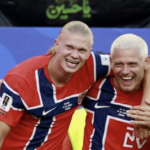
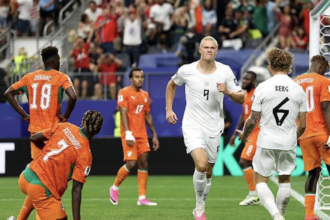
As discussions around Ronaldo’s role continue to dominate headlines, another global superstar is generating attention for very different reasons. Erling Haaland wasted no time making his mark on the 2026 World Cup, scoring twice in a dream debut that immediately put him among the tournament’s early standout performers.
Discover how Norway’s goal machine announced himself on the biggest stage in our full report: Erling Haaland shines with brace in historic World Cup debut
Tactical Dilemma for Portugal
This result leaves Portugal national football team in a difficult position early in the tournament.
Roberto Martinez now faces a defining decision:
- Continue building around Ronaldo’s experience
- Or transition toward a faster, more dynamic attacking system
It’s not just a tactical choice—it’s a cultural one.
Benching one of the greatest players in football history is never simple. But neither is ignoring the demands of a modern, high-intensity game.
What Comes Next?
Portugal still has time to recover.
But the margin for error is now smaller.
Their upcoming matches will determine not just their position in Group K—but also the direction of the team moving forward.
And at the center of it all remains Cristiano Ronaldo.
Can he silence his critics one last time?
Or will this World Cup mark the beginning of a difficult transition?
Final Thoughts
The World Cup doesn’t just test teams.
It tests legacies.
Cristiano Ronaldo has spent over two decades proving himself at the highest level. But in football, time remains undefeated.
This moment isn’t just about one match.
It’s about evolution, identity, and the difficult balance between greatness and change.
Because sometimes, the hardest question in football isn’t about winning—
It’s about knowing when to move forward.
Stay tuned for more World Cup analysis, breaking stories, and deep insights—only on NexoMagz.