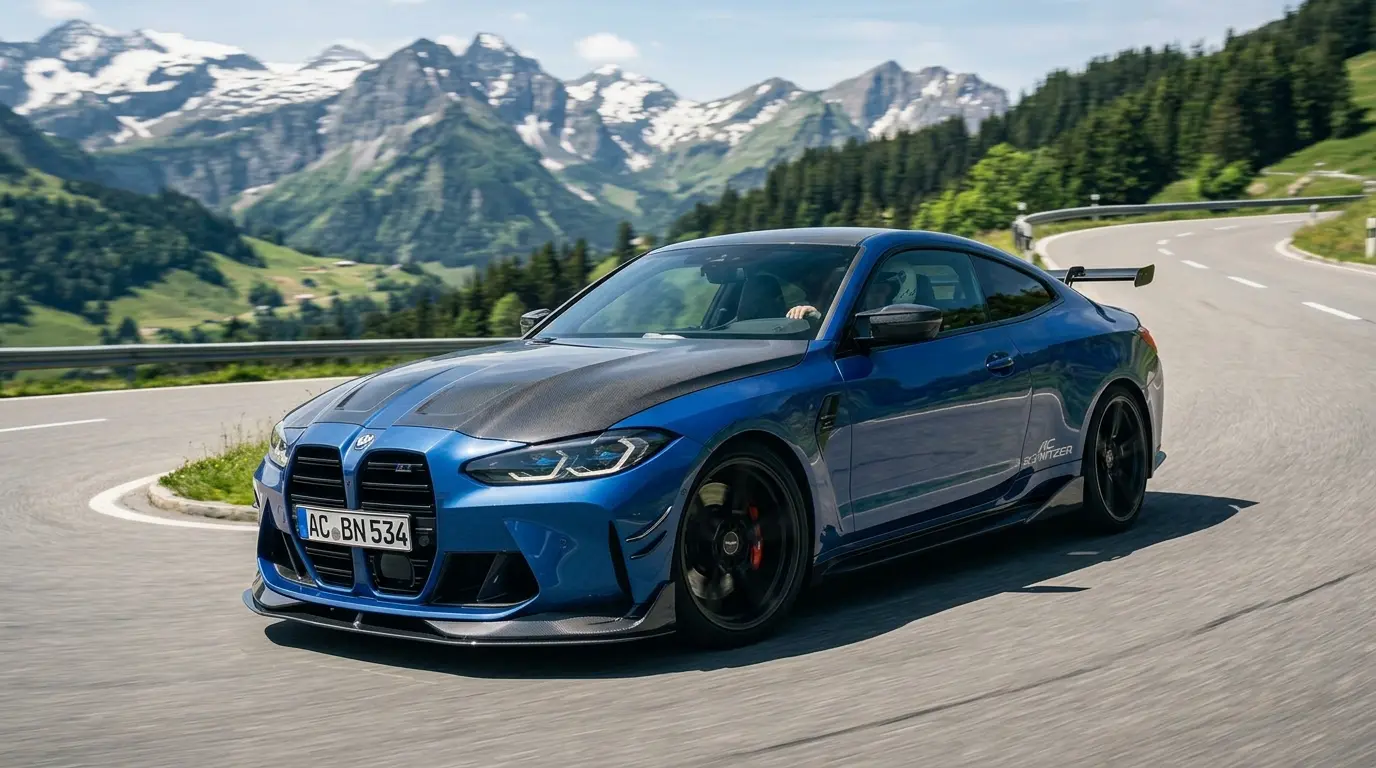
The automotive aftermarket landscape is bracing for a seismic shift as one of its most storied institutions prepares to exit the stage. Since its inception in 1987, AC Schnitzer has served as the definitive architect of BMW performance, bridging the gap between factory engineering and track-ready aggression. However, the announcement that the Aachen-based tuner will cease operations by the end of 2026 signals more than just the end of a brand; it represents a fundamental fracturing of the European tuning industry under the weight of regulatory inertia and shifting cultural values.
The Regulatory Stranglehold and Competitive Disadvantage
At the heart of the AC Schnitzer shutdown is a scathing indictment of the German regulatory framework. Managing Director Rainer Vogel has been remarkably candid about the “extremely long approval process” for aftermarket components within the German system. For a company built on the ethos of speed, the bureaucratic pace of the German authorities has become a terminal velocity. According to our internal analysis of European manufacturing trends, the disparity between German safety certifications and more liberal international standards has created an unsustainable lag in time-to-market.
Vogel noted that the company often finds itself bringing parts to market eight or nine months after international competitors. In a digital age where consumer attention spans are measured in seconds and product cycles are accelerating, a three-quarter-year delay is a death sentence. As reported by Reuters, the broader German industrial sector has been struggling with similar “red tape” hurdles, but for a specialized tuner like AC Schnitzer, the friction has become insurmountable.
A Generational Shift in Automotive Passion
Beyond the corridors of bureaucracy, AC Schnitzer is facing a demographic crisis that mirrors a wider trend in the luxury automotive sector. The company admitted it has struggled to “inspire young customers” with the same fervor that captured their fathers’ generation. Based on industry trends observed by The Global Ledger, the “tuning” culture of the 1990s and early 2000s—characterized by mechanical modification and visceral internal combustion experiences—is being replaced by a digital-first enthusiast base.
Today’s younger affluent demographic is increasingly focused on software-defined vehicles, connectivity, and sustainability rather than the mechanical perfection of a modified E63 M6. This cultural pivot, combined with what the company describes as “worsening international market conditions,” including volatile exchange rates and rising raw material costs, has made the business of high-end tuning a “rational” impossibility for the parent company, Kohl Automobile GmbH.
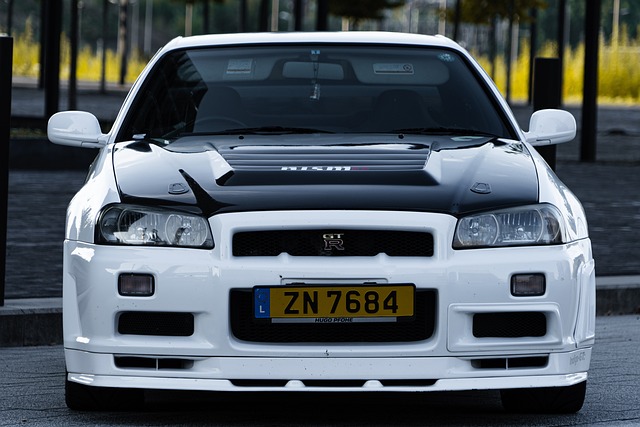
Close-up of carbon fiber engine components and the AC Schnitzer logo – Photo by HScarphotographie via Pixabay
The ICE Phase-Out and the Death of the Mechanic’s Soul
The most looming shadow over the AC Schnitzer shutdown is the global transition toward electric vehicles (EVs). The “gradual phase-out of the internal combustion engine” (ICE) removes the very heart of what made AC Schnitzer legendary. Tuning an EV is a fundamentally different discipline—one dominated by software hacks and battery management rather than exhaust tuning and turbocharger optimization.
Our analysis indicates that traditional tuners are finding it difficult to maintain high margins in an EV world where performance is often capped by factory software or limited by the physical constraints of battery cooling. As The New York Times has noted in recent coverage of the European Green Deal, the legislative pressure to move away from fossil fuels is forcing legacy firms to either reinvent themselves entirely or face obsolescence. For AC Schnitzer, a family-owned business under the Kohl Group, the cost of this reinvention was deemed too high to ensure a stable future for the group’s other segments.
A Legacy in the Rearview Mirror
The history of AC Schnitzer is inextricably linked with the evolution of the modern sports sedan. From their debut with the E32 7 Series to their record-breaking LPG-powered 335i, the firm proved that performance and luxury were not mutually exclusive. Their expansion into Mini, Range Rover, and even the Toyota GR Supra showed a brand willing to experiment, yet they remained tethered to the BMW DNA that Willi Kohl and Herbert Schnitzer first harnessed decades ago.
As documented by AP News regarding the contraction of specialized European manufacturing, the loss of such a specialized player often leads to a consolidation of the market, where only the largest, most diversified entities survive. The Kohl Group has confirmed they are in talks with parties interested in acquiring the AC Schnitzer brand name, but the operational entity as we know it is effectively entering its final lap.
The remaining inventory of “ACS goodies” will be sold off by the end of this year, marking the beginning of a long goodbye that will conclude in 2026. For the enthusiasts who grew up with the silhouette of a Schnitzer-tuned Bimmer, the news is a cold reminder that even the most “emotionally charged” business segments are not immune to the cold logic of global economics and the relentless march of a post-combustion world.
The era of the legendary German tuner is not just fading; it is being systematically dismantled by the very environment that once allowed it to thrive.