
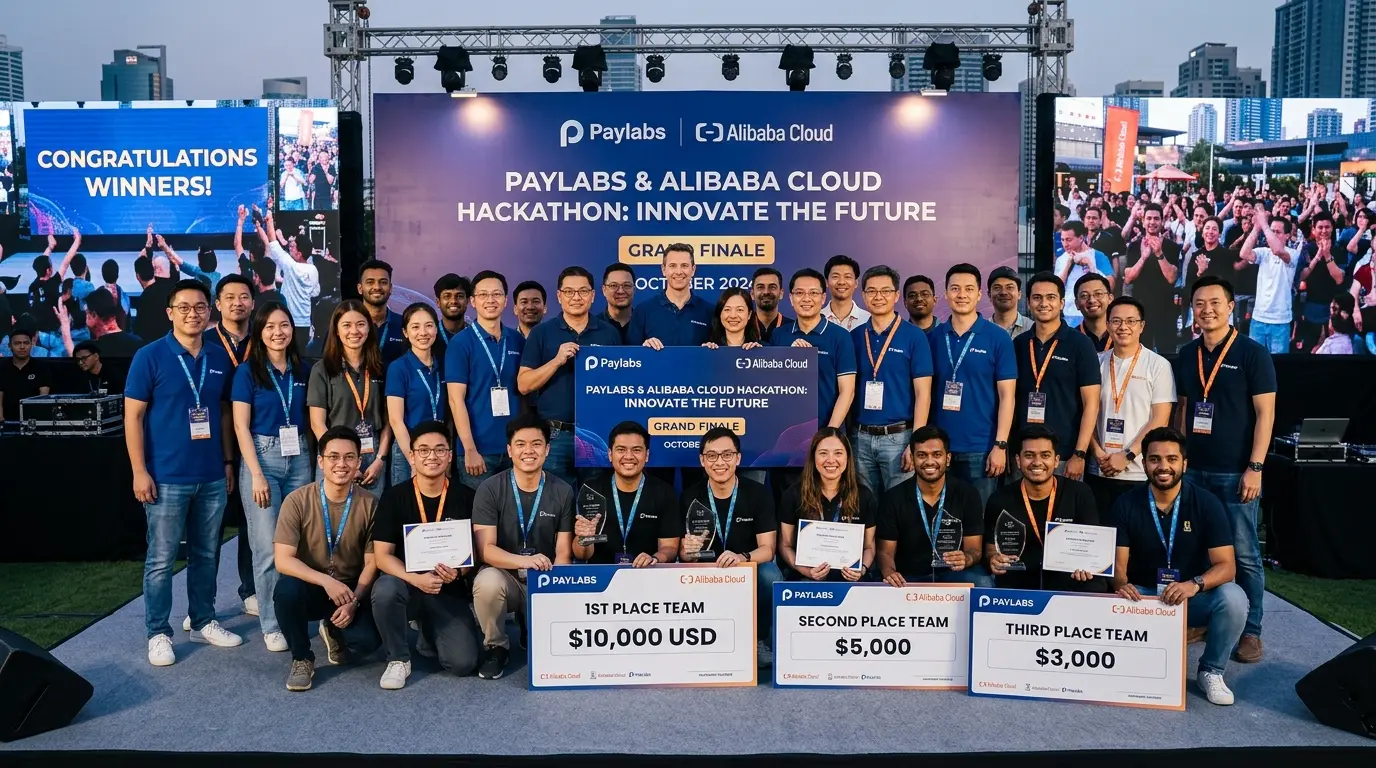
Alibaba Cloud is spearheading a transformative movement in Southeast Asia’s financial sector by integrating advanced computing with local talent development. Through a strategic partnership with Paylabs and Binus University, the technology giant recently launched the Mini Hackathon 2026. This initiative challenges the brightest minds at the School of Computer Science to redefine how we handle money. By focusing on the intersection of artificial intelligence and scalable infrastructure, the program ensures that the next generation of developers possesses the tools to build a more resilient financial ecosystem.
Why Alibaba Cloud Powers the Next Payment Wave
The modern financial landscape demands more than just simple transaction processing. It requires intelligent systems that can predict user behavior and prevent fraud in real-time. Alibaba Cloud provides the backbone for these innovations, offering the elasticity needed to handle millions of concurrent transactions. According to recent reports from Reuters, the global shift toward AI-driven cloud services has accelerated the adoption of fintech innovation across emerging markets.
In Indonesia, the push for digital transformation relies heavily on the synergy between infrastructure providers and application developers. During the Mini Hackathon, which ran from February 23 to March 4, 2026, students explored the “Redefining Digital Payments through AI & Cloud Innovation” theme. This focused approach allows participants to move beyond theoretical coding. They must now solve real-world problems such as latency in QRIS transactions and the security of virtual bank accounts.
Bridging the Gap Between Academia and Industry
Diana, Head of the Computer Science Program at BINUS University Alam Sutera, emphasizes the importance of industry-based learning. She notes that students need direct experience in developing solutions that meet current market demands. The hackathon acts as a bridge, translating classroom theory into functional Minimum Viable Products (MVPs). This hands-on experience prepares graduates to contribute immediately to Indonesia’s digital economy.
Febria Roosita, Global Program Manager for AI Advocacy at Alibaba Cloud International, highlights the practical goals of the event. She believes that exposing students to actual industry challenges fosters a deeper understanding of how AI functions within a payment gateway. When students use Alibaba Cloud’s tools, they learn how to scale applications rapidly—a skill that is non-negotiable in the fast-paced world of digital finance.
How Alibaba Cloud Scales Financial Inclusion
Digital payments serve as the entry point for financial inclusion for millions of unbanked individuals. By utilizing robust cloud architectures, providers can offer low-cost, high-efficiency services to remote areas. Industry analysts at AP News suggest that cloud-native fintech solutions are the primary drivers of economic participation in developing nations.
📸 Image Placeholder
Alt text: A diagram showing the integration of AI models with cloud-based payment gateways
Paylabs, a licensed payment gateway provider in Indonesia, recognizes this potential. The company currently manages a diverse array of payment methods, including e-wallets and QRIS. Raditta, Marketing Manager for Paylabs Indonesia & China, asserts that the evolution of payment systems depends entirely on adaptability. By leveraging Alibaba Cloud, Paylabs ensures its infrastructure remains flexible and capable of supporting the latest AI-driven features.
The Role of AI in Transaction Efficiency
The hackathon participants specifically targeted efficiency and user experience. In a world where a three-second delay can lead to a cart abandonment, the speed of the payment gateway is paramount. AI helps optimize routing paths for transactions, ensuring that data travels via the most efficient nodes. Furthermore, machine learning models can identify suspicious patterns instantly, providing a layer of security that traditional systems lack.
1. Real-time Fraud Detection: AI algorithms analyze transaction metadata to flag anomalies before the money leaves the account.
2. Predictive Scaling: Cloud systems automatically increase capacity during peak shopping hours, such as National Online Shopping Day (Harbolnas).
3. Personalized User Flows: AI tailors the checkout experience based on the user’s preferred payment method.
4. Automated Reconciliation: Cloud tools simplify the back-end accounting process for merchants.
5. Enhanced Accessibility: Voice-activated payments and biometric authentication make digital finance more inclusive.
Future-Proofing the Indonesian Talent Pool
The collaboration between Alibaba Cloud, Paylabs, and Binus University represents a long-term investment in the nation’s human capital. As Indonesia aims to become a top-tier global economy by 2045, the demand for “digital-ready” talent will only intensify. Programs like the Mini Hackathon provide a blueprint for how corporations and universities can co-create a curriculum that evolves as fast as the technology itself.
The technical workshops preceding the competition gave students a deep dive into scalable system design. They learned how to integrate payment APIs with cloud-based databases while maintaining strict compliance with financial regulations. This holistic view of the tech stack is what separates a standard coder from a sophisticated software architect.
Alibaba Cloud continues to expand its footprint in Indonesia, not just through hardware, but through the empowerment of local developers. By placing powerful AI tools in the hands of students, they are effectively seeding the next generation of fintech unicorns. This synergy between global infrastructure and local creativity will dictate the pace of innovation in the digital payment sector for years to come.