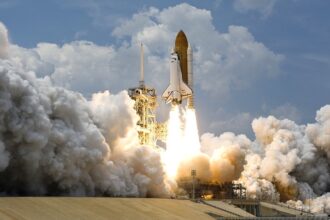
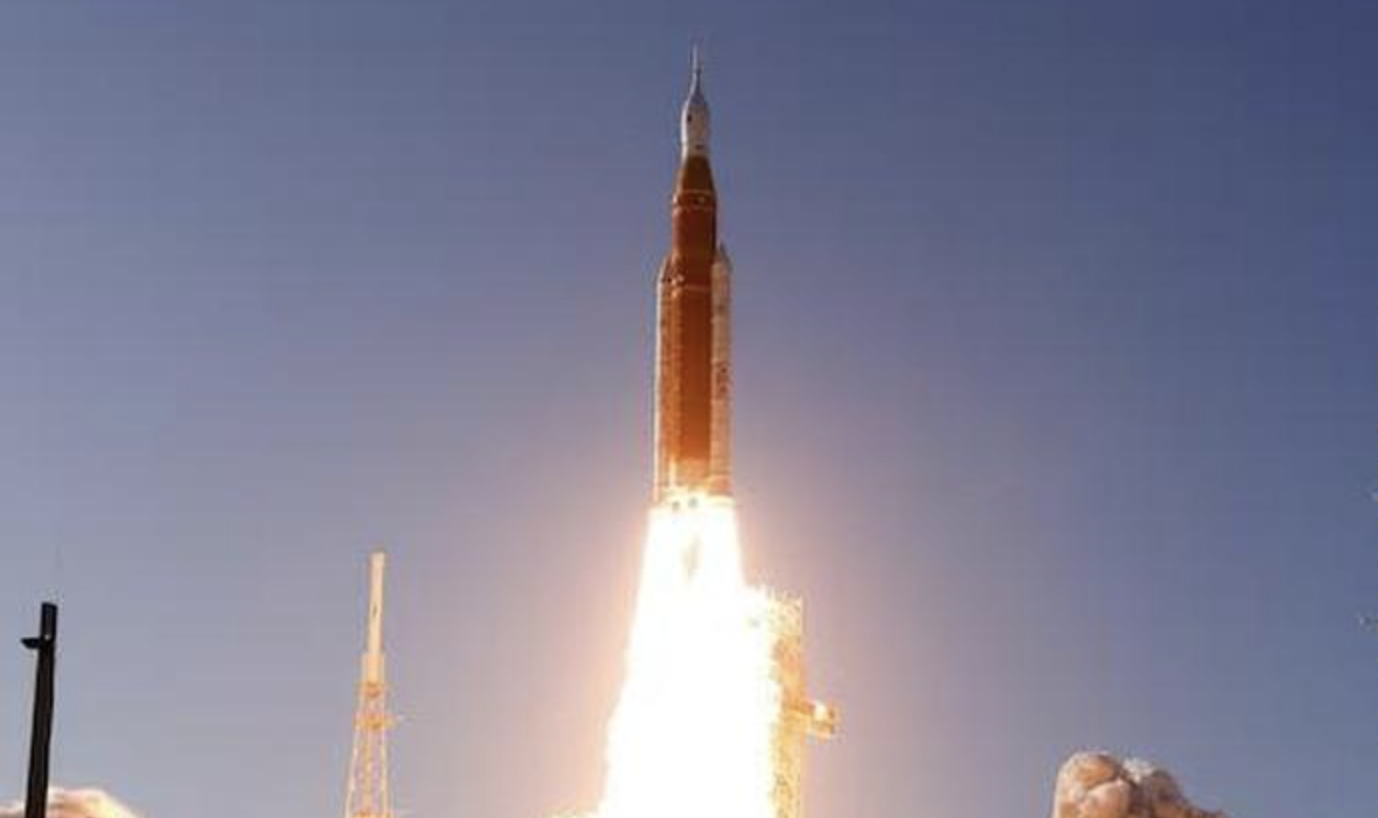
The countdown to a new era of lunar exploration has officially begun as NASA prepares for the historic launch of Artemis II. Scheduled for April 2026, this mission represents the first time in over five decades that humans will venture into deep space. The crew—comprising NASA astronauts Reid Wiseman, Victor Glover, Christina Koch, and Canadian Space Agency astronaut Jeremy Hansen—will embark on a 10-day journey that circles the Moon. Unlike the missions of the 20th century, this voyage carries profound social significance: Christina Koch will be the first woman to leave low-Earth orbit, while Victor Glover will be the first person of color to participate in a lunar mission, signaling a more inclusive chapter in space exploration history.
The Evolution of the Spacecraft: Artemis II vs. Apollo 17
While the objective of reaching the Moon remains the same, the technology powering Artemis II is worlds apart from the hardware used during the Apollo 17 mission in 1972. In the realm of astronautics, every kilogram of weight equates to massive fuel costs and engineering hurdles. Therefore, the design of the Orion spacecraft—the vessel for the Artemis missions—prioritizes efficiency and safety without the “luxury” one might expect from a modern vehicle.
The Apollo Command Module offered a cramped 6.2 cubic meters of habitable volume for three astronauts. In contrast, the Orion capsule provides approximately 9 cubic meters of space. While a 30% increase in volume might sound modest, the interior of the Artemis II craft is designed with modularity in mind. During the coasting phases of the mission, the crew can reconfigure the cabin by stowing seats and spacesuits, creating a large central area for exercise and work. This flexibility is essential for maintaining crew morale and physical health during the 10-day transit.
Living Conditions: Kitchens, Gyms, and Hygiene
One of the most drastic changes in the Artemis II mission profile is the focus on human sustainability. During the Apollo era, astronauts lived in what could best be described as “survival mode.” Food was primarily freeze-dried and required tedious preparation, and physical exercise was limited.
Orion changes the game by featuring a dedicated galley for food preparation and a specialized gym area. Exercise is not a luxury but a medical necessity; in microgravity, bone density and muscle mass deplete rapidly. By incorporating resistance training equipment, NASA ensures the crew remains fit for the high-G forces they will encounter during re-entry.
Furthermore, the “Waste Management System” (WMS) represents a massive leap in hygiene. Space enthusiasts often recall the “floating debris” incident during Apollo 10, caused by the lack of a formal toilet system. The Artemis II spacecraft features a fully functional toilet designed for both male and female physiology, utilizing a small urine tank that vents to space and replaceable canisters for solid waste. This system provides the privacy and sanitation required for long-duration missions, a topic we have explored previously in our analysis of the future lunar economy.
Computing Power: From Kilobytes to Gigabytes
Perhaps the most staggering comparison between the two eras lies in the field of computing. The original Apollo Guidance Computer was a marvel for its time, boasting 4 KB of RAM and roughly 72 KB of ROM. Today, even a basic microwave oven possesses more processing power than the system that landed Neil Armstrong on the Moon.
The Artemis II flight computers are a testament to modern silicon engineering. The spacecraft utilizes two redundant flight computers, each containing two redundant computer modules. This quadruple-redundancy system ensures that even if a hardware failure occurs—potentially due to cosmic radiation—the mission can continue safely. These computers are 20,000 times faster and have 128,000 times more memory than their Apollo predecessors. According to reports from Reuters, this leap in processing power allows for real-time data analysis and autonomous navigation capabilities that were purely science fiction in 1972.
Powering the Journey: Solar vs. Fuel Cells
The method of generating power has also shifted. While the Apollo missions relied on fuel cells that produced water as a byproduct, the Artemis II mission utilizes the European Service Module (ESM). Provided by the European Space Agency, the ESM features four “X-wing” solar panels that track the sun to provide a constant stream of electricity. This shift to renewable energy sources in space reflects broader terrestrial trends in sustainability and reliability.
As we look toward the 2026 launch, it is clear that Artemis II is not just a “remake” of the Apollo missions. It is a sophisticated, diverse, and technologically superior endeavor that sets the stage for a permanent human presence on the Moon. The lessons learned from the Orion spacecraft’s performance will eventually pave the way for the ultimate goal: a crewed mission to Mars.
For more updates on the mission’s progress, follow the official NASA Artemis portal.