Ash Wednesday 2026 falls on February 18, triggering a global period of solemnity and spiritual discipline for millions of Christians. This specific date marks the beginning of Lent, a forty-day journey of penance that precedes the celebration of Easter. While many recognize the smudged black crosses on foreheads, few understand the complex astronomical and ecclesiastical mechanics that dictate this annual shift.
Alt text: A liturgical calendar highlighting February 18, 2026
Ash Wednesday 2026: Essential Dates and Calendar Logic
The timing of Ash Wednesday changes every year because it remains tethered to the lunar cycle. To identify the date for Ash Wednesday 2026, religious scholars first determine the date of Easter Sunday. According to the BBC News, Easter follows the first full moon after the vernal equinox. Consequently, theologians count back six weeks and four days from April 5, 2026, to arrive at February 18.
Mastering Your 2026 Lenten Timeline
Effective Lenten preparations require a clear understanding of the liturgical milestones ahead. Use this schedule to organize your spiritual commitments:
* Ash Wednesday 2026: February 18
* First Sunday of Lent: February 22
* Palm Sunday: March 29
* Holy Thursday: April 2
* Good Friday: April 3
* Easter Sunday: April 5
The Calculation of the 40 Days
While Lent spans the time between Ash Wednesday and Holy Thursday, the “forty days” exclude Sundays. The Church views every Sunday as a “mini-Easter,” a day of celebration that breaks the fast. This mathematical nuance often confuses observers, yet it remains a foundational pillar of the Western liturgical tradition.
Shocking History and Spiritual Meaning
The practice of applying ashes dates back to the early Middle Ages, though its roots extend into ancient biblical history. The Reuters news agency often reports on the Pope’s annual procession, highlighting how these ancient symbols maintain relevance in a digital age. The ashes symbolize two primary concepts: human mortality and the necessity of repentance.
The Secret Source of the Ashes
A massive secret many laypeople overlook involves the origin of the ashes. Parishes do not simply buy charcoal; instead, they burn the blessed palm fronds from the previous year’s Palm Sunday. This cycle creates a literal and symbolic link between the “Hosannas” of Christ’s entry into Jerusalem and the somber reality of the Crucifixion.
Biblical Foundations of Penance
Old Testament figures like Daniel and Job used sackcloth and ashes to demonstrate communal grief and personal humility before God. Modern believers continue this tradition to visually signal an internal desire for transformation. When the priest says, “Remember that you are dust,” he echoes the language of Genesis, stripping away social status and ego.
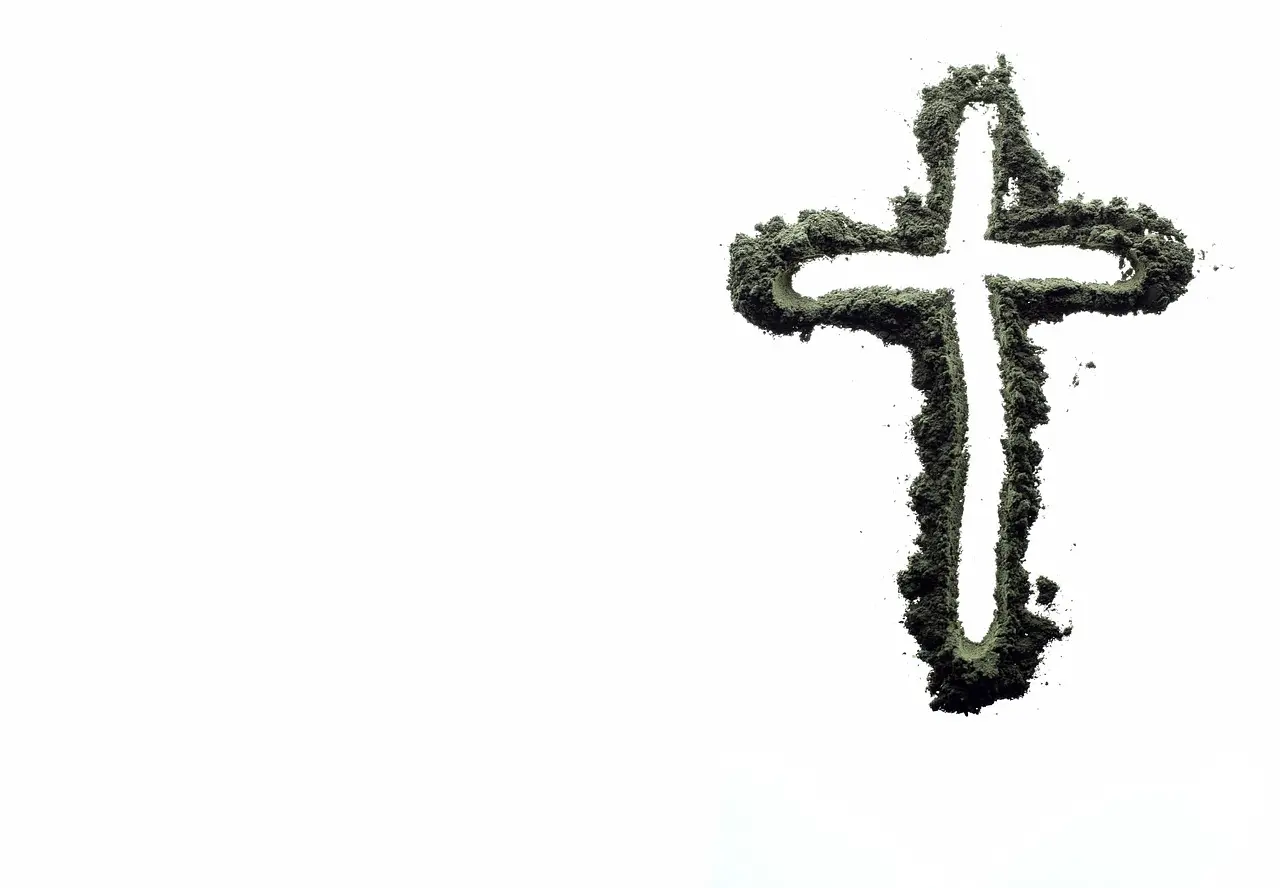
Topic: The historical process of burning palms for Ash Wednesday
Is Ash Wednesday a Holy Day of Obligation?
Many faithful assume they must attend Mass under the threat of sin, but the technical reality differs. Ash Wednesday is not a holy day of obligation in the Catholic Church. Unlike Christmas or the Feast of the Assumption, the Church does not mandate attendance. However, the Associated Press notes that Ash Wednesday often draws higher attendance than many obligatory feasts, proving the deep cultural and spiritual pull of the ritual.
Strict Rules for Fasting and Abstinence
For Ash Wednesday 2026, specific dietary laws apply to different age groups. These rules promote self-discipline and solidarity with the poor.
1. Abstinence: Everyone aged 14 and older must abstain from eating meat.
2. Fasting: Adults aged 18 to 59 must fast. This involves eating only one full meal and two smaller meals that, combined, do not equal a full meal.
3. Liquids: Water and medicines never break the fast, but observers should avoid sugary snacks between meals.

Global Traditions and Liturgical Variations
The experience of Ash Wednesday 2026 varies significantly depending on geography. While North Americans typically expect a cross traced on their forehead, European traditions often favor a more discreet method.
The Sprinkling Method
At the Vatican and across much of Italy, clergy sprinkle ashes over the crown of the head. This method aligns with the Gospel of Matthew’s instruction to wash your face and comb your hair while fasting so that only God knows your sacrifice. This “invisible” secret keeps the focus on internal change rather than public display.
Participation of Non-Catholics
One of the most inclusive aspects of the day involves the distribution of ashes. Most denominations allow non-Catholics, the unbaptized, and even those away from the faith to receive ashes. The ritual serves as a universal invitation to human reflection. Reports from The New York Times suggest that secular individuals increasingly participate in Ash Wednesday as a form of “digital detox” or mindfulness practice.
Preparing for the 40-Day Journey
Success during Lent requires more than a last-minute decision on Shrove Tuesday. The transition from “Fat Tuesday” to Ash Wednesday 2026 demands a mental shift toward the three pillars of Lenten practice.
* Prayer: Increasing the frequency and depth of communication with the Divine.
* Almsgiving: Directing resources, whether time or money, to those in need.
* Fasting: Using physical hunger to sharpen spiritual focus.
The arrival of the Lenten season provides a rare opportunity for believers to pause their routine. By understanding the dates, the history, and the requirements, you ensure that February 18 serves as a true catalyst for renewal.