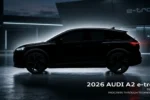
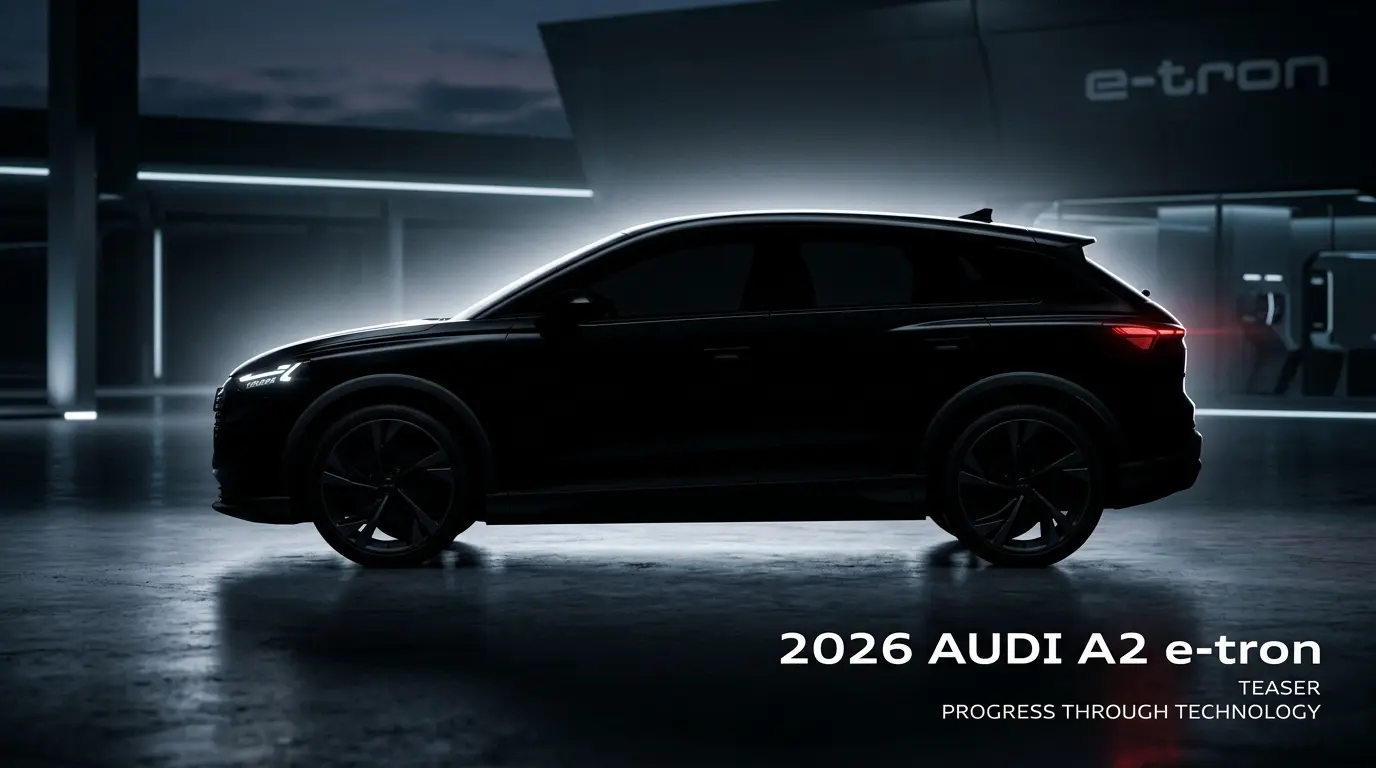
The automotive world just shifted on its axis because the Audi A2 is officially coming back to reclaim its crown as the king of clever packaging. Audi CEO Gernot Döllner recently confirmed that the brand will resurrect this cult classic silhouette for a 2026 debut, pivoting the nameplate into a purely electric, entry-level powerhouse. While the original car arrived perhaps two decades too early for the general public to grasp its genius, the upcoming Audi A2 e-tron lands right in the middle of a global scramble for high-efficiency urban mobility.
Why the Audi A2 Returns to Dominate the Entry-Level Market
Audi faces a significant challenge in the current EV landscape: accessibility. As premium brands pushed north of $60,000 for their initial electric offerings, they left a vacuum at the bottom of the range. The Audi A2 fills this void, serving as the gateway drug for a new generation of electric buyers. By leveraging the existing Volkswagen Group architecture, Audi can finally offer a premium experience without the supercar price tag. This isn’t just a nostalgia trip; it is a cold, calculated move to capture market share from rivals who are currently neglecting the sub-compact segment.
1. The MEB Platform Architecture Secrets
The most significant secret behind the new project involves its bones. We expect the car to utilize the MEB platform, the same modular “box of parts” found in the Volkswagen ID.3. This choice ensures that the vehicle remains cost-effective while offering rear-wheel-drive dynamics that enthusiasts crave. According to reports from Autocar, this platform allows Audi to maximize interior space, mirroring the “Tardis-like” qualities of the original 1999 model.
2. Radical Design and Aerodynamic Efficiency
The original car featured an aluminum space frame and a drag coefficient that made supercars look like bricks. For the 2026 reboot, design boss Massimo Frascella must balance that iconic jellybean shape with modern “e-tron” aesthetics. Expect a closed-off grille, razor-sharp Matrix LED lighting, and a tapering roofline designed to squeeze every possible mile out of the battery pack. Efficiency remains the primary goal here, as Döllner emphasized that customers want electric mobility that “impresses in everyday life.”
3. A New Benchmark for Urban Luxury
While the car sits at the entry point of the Audi electric range, do not expect a stripped-back interior. Audi plans to integrate the “Digital Stage” cockpit seen in the new Q6 e-tron, albeit on a slightly smaller scale. This means high-resolution OLED displays and sustainable materials that prove “entry-level” doesn’t mean “cheap.” The brand aims to distance itself from the plastic-heavy interiors of some competitors, ensuring the A2 feels like a genuine luxury product.
4. Performance Expectations for the A2 e-tron
We anticipate several battery configurations for the A2. A base model likely features a 52kWh battery, while a “Long Range” version could utilize the 77kWh pack found elsewhere in the VW Group stable. Given the car’s smaller footprint and focus on lightweight materials, a range of over 300 miles on the WLTP cycle seems achievable. As noted by Car and Driver, the move toward smaller, more efficient EVs represents a pivot away from the “bigger is better” battery philosophy that has dominated the last five years.
5. Competitive Positioning Against the Renault 5 and Tesla
The 2026 landscape looks crowded. With the Renault 5 E-Tech and the rumored “Tesla Model 2” looming, the Audi A2 must lean heavily on its premium badge and superior build quality. Audi isn’t just selling a commuter car; they are selling a piece of design history. By positioning the A2 as a “sophisticated urban tool,” they target the same demographic that currently drives high-spec Mini Electrics or the Fiat 500e.
Engineering the Lightweight Legacy
One major question remains: will Audi use aluminum? The original car’s Audi Space Frame (ASF) made it incredibly light but prohibitively expensive to repair. In 2026, we likely see a mix of high-strength steel and recycled polymers to keep weight down without the astronomical production costs of a full aluminum chassis. This shift allows Audi to maintain a competitive MSRP while still honoring the spirit of the original’s efficiency.
Industry analysts at Motor Trend suggest that the A2 e-tron will also serve as a testbed for new sustainable manufacturing processes. Audi aims to make the production of this vehicle carbon-neutral, appealing to the environmentally conscious buyer who finds the current crop of 2.5-ton electric SUVs contradictory to their values.
The Market Impact of an Entry-Level Audi
The return of the A2 signals a broader trend in the automotive industry. Manufacturers finally realize that the mass market cannot afford $80,000 electric SUVs. By bringing back a beloved nameplate with a focus on “urban mobility,” Audi secures its future in a world where city centers increasingly restrict combustion engines. The A2 e-tron represents more than just a new model; it represents a return to the intelligent, engineering-led philosophy that defined Audi’s “Vorsprung durch Technik” slogan during its most innovative years.
Expect a full reveal of the production-ready concept later this year. If the teaser silhouette is any indication, the 2026 Audi A2 will retain that high-roof, short-hood stance that made the original so practical. This time, however, the world is actually ready for it. Audi’s decision to listen to customer demand for compact, premium electric cars might just be the most important strategic move they make this decade. For more technical specifications as they emerge, keep an eye on the official updates from Top Gear.