Bali trekking safety should be the top priority for every traveler visiting the “Island of the Gods.” While tourism boards often sell Bali as a glossy postcard of spiritual awakening, nature remains unpredictable. The tragic passing of 61-year-old American tourist Brad Alan in the West Bali National Park (TNBB) serves as a somber reminder. The wild does not care about your bucket list. This story highlights the clinical risks inherent in the booming global trend of senior adventure tourism.
A Tragedy Highlighting Bali Trekking Safety Risks
The details of the incident on January 30, 2026, are brief. Brad Alan, a United States citizen, set out for a trek in the Banjar Dinas Teluk Terima area. A local guide named Bargianto accompanied him into the park around 10:00 AM WITA. In most contexts, 100 meters is a very small distance. However, those few steps were more than Alan’s body could endure.
Reports from the Buleleng Police indicate that Alan began gasping for breath almost immediately. He clutched a tree trunk for support. Although his guide tried to help him rest, Alan lost consciousness and collapsed. The TNBB evacuation team arrived quickly. They transported him to the Melaya II Health Center, but doctors pronounced him dead on arrival. The initial medical assessment cited “kelelahan” or exhaustion as the cause. You can read more in our [essential guide to Indonesian tourism safety] to avoid similar risks.
Humidity and Bali Trekking Safety
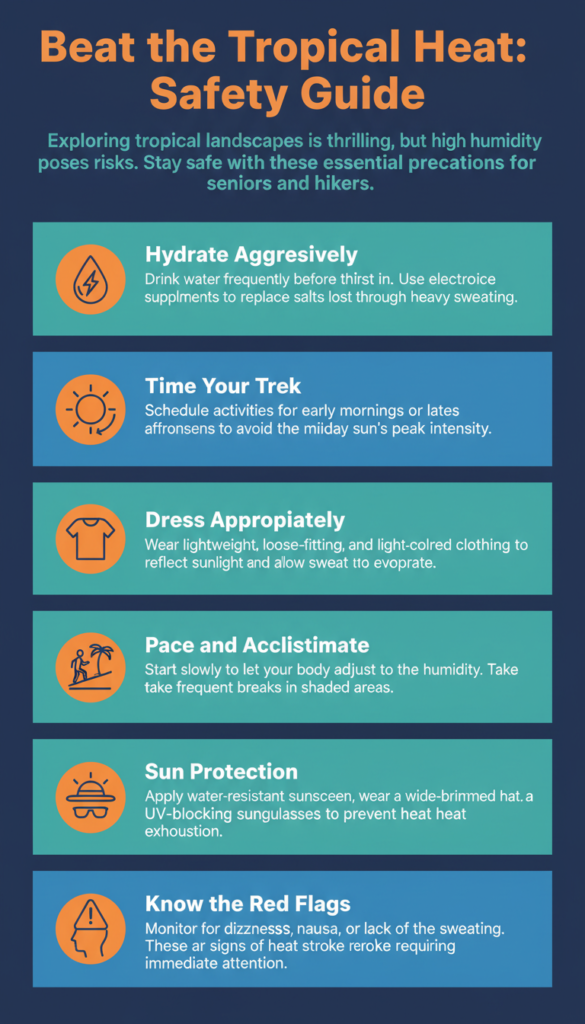
From a sports analysis perspective, a collapse within 100 meters suggests a major cardiovascular failure. This is often made worse by “heat stress.” Bali’s humidity usually hovers between 75% and 90%. In this environment, the body cannot cool itself through sweat evaporation. For a 61-year-old traveler, the jump from an air-conditioned vehicle into the stagnant jungle air causes an immediate spike in heart rate.
This incident shows a clear gap in Bali trekking safety protocols. Most operators focus on the beauty of the forest. However, few provide the physical pre-screening found in places like the Andes. According to National Institutes of Health (NIH) research on heat exhaustion, tropical climates put extreme pressure on the heart. Travelers often view trekking as a lifestyle accessory. They forget that the body is already under stress from jet lag and dehydration.
Senior Travelers and the Need for Better Bali Trekking Safety
There is a broader cultural trend at play here: the rise of the “Active Senior” traveler. Modern 60-year-olds are often very fit. However, they can fall into the “Sunk Cost Fallacy.” Travelers who fly halfway around the world feel pressure to push through physical pain. They want the “authentic” experience they paid for.
Brad Alan chose to start his trek at 10:00 AM. At this time, the tropical sun reaches its most punishing intensity. This decision impacted his Bali trekking safety. The Bali tourism industry now faces a difficult question. How do you balance traveler freedom with strict safety rules? While the family opted not to perform an autopsy, the sector still needs better medical guidelines to prevent future deaths.
Improving Bali Trekking Safety for Future Adventure
The West Bali National Park is a jewel of biodiversity, but it is not a controlled environment. We must change how we market these experiences. If Bali wants to lead in international “Sportainment,” it must use better health monitoring. For example, guides could use oximeters to check senior participants. Operators should also use a “Go/No-Go” system based on the daily heat index.
Ultimately, the death of Brad Alan is a human tragedy. He came to Bali seeking serenity and found a harsh reality. As the industry moves forward, the lesson is clear: nature demands respect. Our bodies have limits that no amount of wanderlust can override. Bali trekking safety is not just a checklist; it is a fundamental part of the journey. Without it, the “Island of the Gods” risks becoming a place of tragic farewells.