
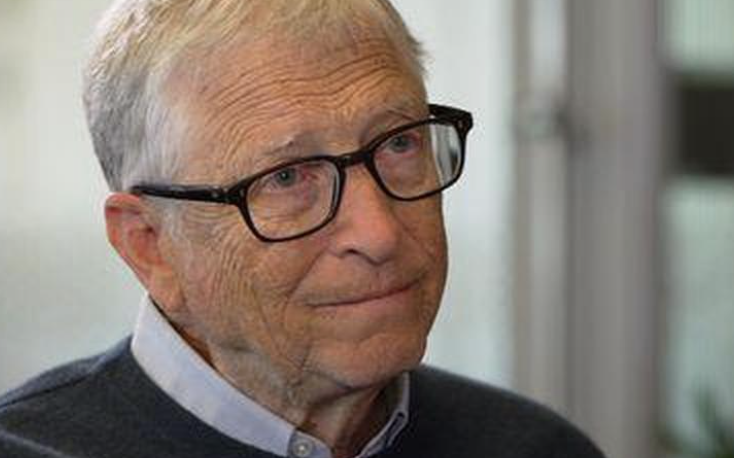
The carefully curated image of the “benevolent billionaire” has taken its most significant hit to date. In a startling admission that feels more like a plot point from a prestige HBO drama than a corporate update, Bill Gates has officially addressed the swirling rumors regarding his personal life and his ill-advised association with the late Jeffrey Epstein. During a recent town hall meeting with employees of the Gates Foundation, the Microsoft co-founder didn’t just offer a vague apology; he confirmed the existence of extramarital affairs that had long been the subject of tabloid fodder and Department of Justice investigations.
The Admission: A Town Hall of Regret
For years, the public persona of Bill Gates shifted from the ruthless software monopolist of the 90s to the sweater-vest-wearing savior of global health. However, the cracks in that facade began to widen following his 2021 divorce from Melinda French Gates. According to reports first surfaced by Variety, Gates used a biannual internal meeting to clear the air, describing his past interactions with Epstein as a “huge mistake.”
The admission wasn’t merely about social proximity. Gates reportedly confessed to two specific affairs with Russian nationals: one a competitive bridge player he met at a tournament, and the other a nuclear physicist encountered through business channels. These revelations align with documents released by the U.S. Department of Justice, which detailed how Epstein allegedly attempted to use his knowledge of these affairs to leverage or threaten the tech mogul.
The Russian Connections: Bridge and Nuclear Physics
The details of the affairs provide a bizarre glimpse into the private life of one of the world’s most powerful men. The first relationship involved Mila Antonova, a bridge player whom Gates met around 2010. According to the DOJ drafs, Epstein had reportedly paid for Antonova’s coding school tuition and later attempted to use that financial link to pressure Gates into participating in a multi-billion dollar charitable fund.
The second affair involved a Russian nuclear physicist, a detail that adds a layer of Cold War-esque intrigue to an already messy situation. By acknowledging these relationships, Bill Gates is attempting to get ahead of a narrative that has been spiraling out of control since Epstein’s death in 2019. As noted by The Hollywood Reporter, the intersection of tech royalty and international scandals continues to fascinate and repulse a public that is increasingly cynical about the “billionaire class.”
The Epstein Shadow and DOJ Revelations
The core of the controversy remains the relationship between Bill Gates and Jeffrey Epstein, which began in 2011—notably after Epstein had already been convicted of sex crimes involving a minor. While Gates has consistently maintained that their meetings were strictly for philanthropic purposes, the DOJ documents suggest a more complicated web.
The documents allege that Epstein facilitated meetings for Gates and even assisted in procuring “medications” to manage the fallout of his private life. While Gates vehemently denies any involvement in or knowledge of Epstein’s criminal activities, the mere association has cast a long shadow over the Gates Foundation. “I didn’t see anything illicit,” Gates told his staff, but he admitted that he failed to perform due diligence on Epstein’s background, a move he now claims to regret “a hundred times over.”
This narrative of “willful ignorance” is becoming harder to sell in a post-Me Too era. As we discussed in our previous analysis of the shifting reputations of tech moguls, the public no longer grants the benefit of the doubt to those who claim they were “just there for the philanthropy.”
The Cultural Fallout: Philanthropy and Reputation
From a cultural standpoint, the fall of Bill Gates represents the end of the “Saintly Billionaire” era. For decades, the Gates Foundation has been the gold standard for private-sector global intervention. However, when the leader of such an organization is linked to a figure as toxic as Epstein, the mission itself becomes tainted.
The Rolling Stone recently highlighted how these revelations affect the morale of those working within the foundation. It’s not just about the gossip; it’s about the credibility of the institution. If the man at the top is susceptible to the influence of a predator like Epstein, what does that say about the judgment governing billions of dollars in global aid?
What Comes Next for Bill Gates?
As the dust settles on this town hall confession, the question remains: can Bill Gates ever truly rehabilitate his image? In the eyes of many, he has moved from a figure of inspiration to a cautionary tale about the insulate nature of extreme wealth. The “mistakes” he cites are not merely personal lapses in judgment; they are systemic failures of accountability that are frequently covered by Deadline and other industry outlets.
The Gates Foundation has issued a statement confirming that Bill spoke “candidly” and “took responsibility for his actions.” But in the court of public opinion, the verdict is still out. The transition from “the man who wants to save the world” to “the man who got caught” is a difficult one to reverse. For now, the tech world watches as one of its icons attempts to navigate a scandal that is as much about human frailty as it is about institutional power.
For more updates on similar news and trending global stories, visit our latest news section.