For decades, the narrative of skeletal health has been dominated by a single protagonist: milk. However, as we peer through the looking glass of gastronomic history at “The Gilded Fork,” we find that civilizations have thrived for millennia by embracing calcium-rich foods that predate the modern dairy aisle. From the hardy Roman legionnaires fueled by leafy brassicas to the seafaring dynasties of the Mediterranean, the secret to enduring strength has always been hidden in plain sight—within the fibers of plants and the bones of the sea. By diversifying our palate, we not only pay homage to our ancestors but also unlock a more bioavailable path to longevity.
The Ancient Legacy of Calcium-Rich Foods
To understand the potency of calcium-rich foods, one must look at the evolution of the human diet. Long before the domestication of cattle, early foragers relied on wild greens and small fish to maintain their “human architecture.” History suggests that our ancestors had a bone density that rivals modern athletes, largely due to a diet rich in mineral-dense plants. These foods do more than just provide calcium; they offer a complex symphony of magnesium, vitamin K, and phosphorus—the essential “scaffolding” required for the body to actually utilize the minerals it consumes.
According to research often highlighted by Food & Wine, the transition to sedentary farming changed our mineral intake, yet these “power foods” remained staples in cultures known for their centenarians.
Green Gold: Why Kale and Pak Choi Rule the Garden
In the gardens of the Roman Empire, kale was not a trend; it was a necessity. Pliny the Elder frequently wrote about the “Brassica” family, praising its ability to keep the body robust. Today, we know why. Kale and pak choi (bok choy) are the aristocrats of the vegetable kingdom, offering 138 mg and 99 mg of calcium per 100 grams, respectively.
Unlike spinach, which contains high levels of oxalates that can block calcium absorption, these greens are low-oxalate heroes. This means the body can actually “bank” the minerals provided. Furthermore, the high vitamin K content in these greens acts as a biological traffic cop, directing calcium into the bones rather than letting it settle in the arteries. For those looking to refine their intake, Bon Appétit offers numerous ways to prepare these greens without losing their enzymatic integrity.
The Fisherman’s Strength: Sardines and Salmon
There is a poetic irony in consuming the bones of another to strengthen our own. Sardines, named after the island of Sardinia—a place famous for the longevity of its inhabitants—are perhaps the most concentrated source of skeletal health available. When eaten with their softened bones, canned sardines provide a staggering 382 mg of calcium per 100 grams.
This was the “field ration” that sustained sailors and soldiers through the Napoleonic Wars, providing not just calcium, but the vitamin D necessary for its absorption. Salmon, too, plays a vital role. The omega-3 fatty acids found in these oily fish reduce inflammation, which is a silent thief of bone density. As noted in the Michelin Guide‘s wellness features, the culinary preparation of these small fish has evolved from humble subsistence to gourmet delicacy, proving that health and hedonism can coexist.
Tofu: The Curd of Longevity and Bone Integrity
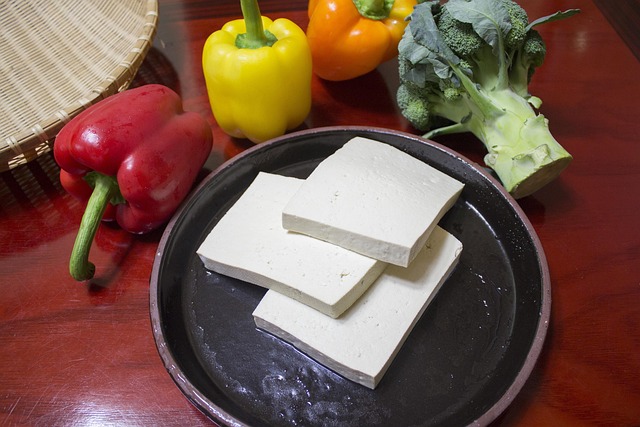
The history of tofu is intertwined with the quest for immortality. Legend credits Prince Liu An of the Han Dynasty with its discovery. While it may not grant eternal life, the 181 mg of calcium per 100 grams found in calcium-set tofu certainly grants a sturdier one. For the vegetarian epicurean, tofu is a “complete” protein, containing all essential amino acids.
Beyond the minerals, tofu contains isoflavones—plant compounds that mimic estrogen. This is particularly crucial for women entering menopause, a period where bone loss often accelerates. By integrating tofu into a modern diet, we tap into an ancient gastronomic wisdom that understands how to balance the body’s internal chemistry through soy.
Seeds of Power: From Mesopotamia to Your Plate
“Open Sesame” was more than just a magical phrase in One Thousand and One Nights; it was a testament to the value of the seed. In ancient Mesopotamia, sesame seeds were prized for their oil and their life-giving properties. Today, we recognize them as a calcium powerhouse, with 100 grams of seeds containing nearly 978 mg of the mineral.
Almonds and chia seeds follow this tradition of “small but mighty.” Chia seeds, once the “running food” of Aztec warriors, provide 631 mg of calcium, alongside a wealth of phosphorus and magnesium. These seeds are the ultimate convenience food of history, easily carried and slow to spoil, providing the sustained mineral release needed for physical endurance. As Eater frequently explores, the “superfood” status of these seeds is merely a modern rediscovery of what the ancients always knew.
Edamame: The Samurai’s Secret to Lasting Health
Edamame, or young soybeans, have been documented in Japanese literature as far back as the 13th century, when a monk thanked a parishioner for the gift of “edamame” left at his temple. These vibrant green pods offer 231 mg of calcium per 100 grams and are a staple in the diets of the Blue Zones—regions where people live significantly longer than average.
The synergy of nutrients in edamame—including vitamin E, vitamin K, and manganese—makes it a superior choice for maintaining mineral metabolism. Consuming these regularly is a simple, delicious way to lower the risk of osteoporosis without the digestive issues often associated with heavy dairy consumption.
In the grand narrative of “The Gilded Fork,” we conclude that the strength of our frame is built not by a single food, but by a mosaic of choices. By returning to these historical calcium-rich foods, we ensure that our bones are as resilient as the traditions that first brought these ingredients to the table.