
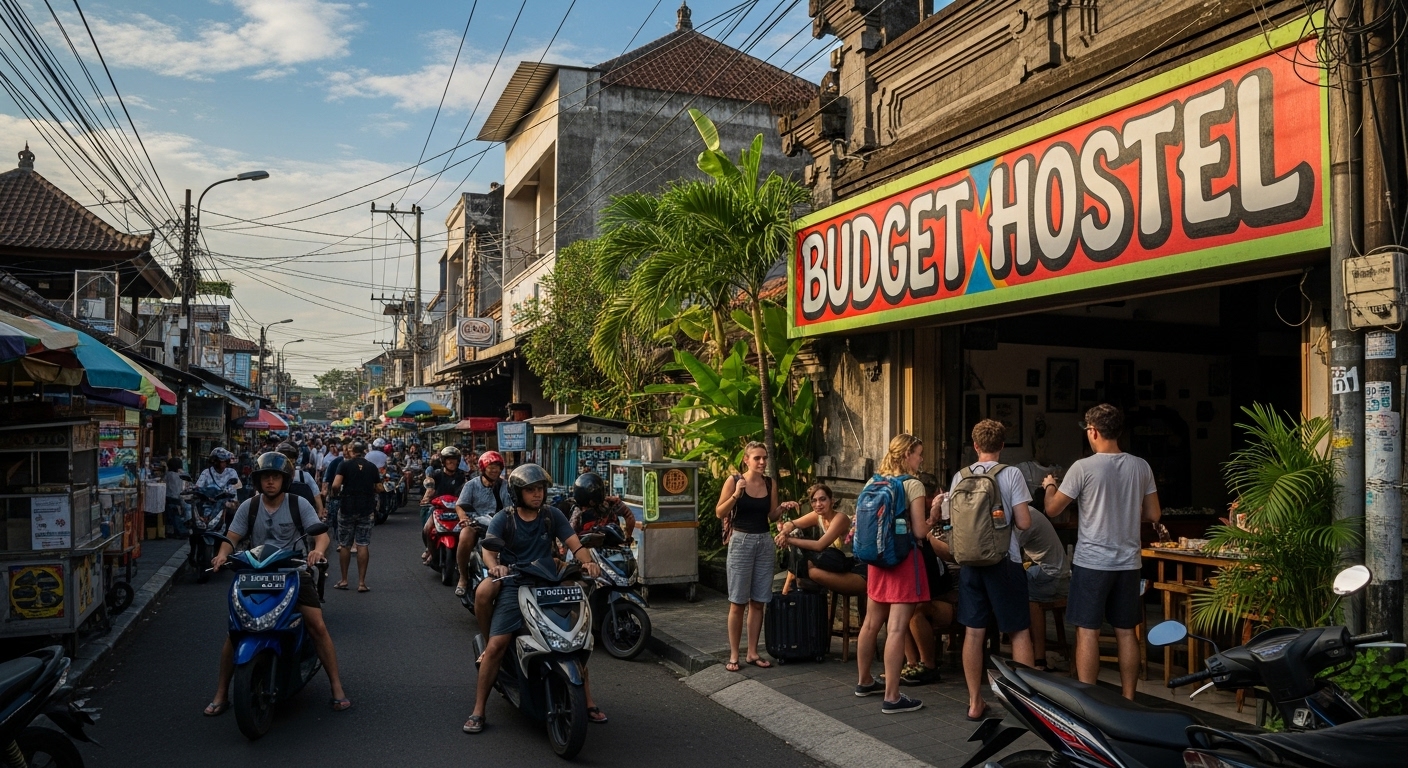
Canggu is a vibrant dream of salt, surf, and high-octane aesthetics. In fact, it is the beating heart of Bali’s modern tourism machine. Digital nomads and backpackers converge here in a landscape of beachfront clubs and boutique cafes. However, a fragile ecosystem of unregulated budget stays exists beneath this surface. Recently, this dream became a nightmare for several travelers at a local hostel. Consequently, this tragedy sparked a global conversation about Canggu hostel safety standards and the true price of budget travel.
The story centers on Deqing Zhuoga, a Chinese tourist. She sought a classic Bali experience at a hostel priced at only Rp 150,000 per night. Specifically, this is approximately $9.40 or €8.70. In the luxury travel world, this is less than the price of a sunset cocktail. But in the world of budget exploration, it is the price of a bed. Unfortunately, for Deqing, it became the price of her life.
A Toxic Atmosphere in Paradise
The air in Canggu usually smells of burning incense and sea spray. However, inside this specific hostel, an invisible killer was at work. Deqing did not die from a tropical disease or a surfing accident. Instead, she died from a preventable tragedy involving industrial-grade pesticides. Experts like dr. Erta Priadi Wirawijaya, SpJP have highlighted the dangers of these chemicals.
Furthermore, Deqing’s final hours were agonizing. She suffered from violent vomiting, intense chills, and eventual collapse. She was not alone in her suffering. For instance, a terrifying roll call of other guests also reported similar symptoms. These guests included Leila Li, Melanie Irene, Alisa Kokonozi, Alahmadi Yousef Mohammed, Cana Clifford Jay, and Leslie Zhao. Guests initially dismissed the illness as “Bali Belly” or dehydration. In reality, they were suffering from organophosphate poisoning.
The hostel had been battling a bedbug infestation. This is a common problem in high-turnover tropical rooms. However, the owners allegedly used heavy-duty insecticides like dichlorvos or malathion instead of hiring professionals. These chemicals attack the human nervous system. As a result, they block the essential enzymes that regulate breathing.
The Economic Divide of Medical Care
The systemic failure that followed the poisoning is perhaps the most haunting part of this story. Deqing actually sought help at a local clinic before she died. However, she faced high treatment costs and lacked sufficient funds. Because of this, she chose to return to the very room that was killing her. You can read more about [navigating medical emergencies abroad] in our travel safety guide.
Luxury travelers are often protected by premium insurance and medical services. In contrast, Deqing’s story highlights the brutal reality for budget travelers. Without a safety net, a $9.40-a-night traveler is one bad decision away from disaster. Dr. Erta noted that simple help could have saved her. For example, she needed oxygen, IV fluids, and the antidote atropine. Instead, the clinic sent her back to a room filled with lethal gas. They did this because the price of a hospital bed was out of reach.
In addition, this incident exposes a gaping hole in budget travel oversight. We often celebrate the grit of low-cost hostels. However, we rarely discuss the lack of rules regarding structural safety or emergency protocols.
Beyond the Bedbugs: A Call for Accountability
This tragedy is a wake-up call for the Bali tourism industry. The island’s rapid expansion has outpaced its legal framework. Luxury resorts follow international health and safety audits. On the contrary, the growing hostel sector in Canggu often operates in a gray area.
Using organophosphates in enclosed spaces violates basic human safety. According to World Health Organization safety guidelines, these chemicals require 72 hours of ventilation. However, the hostel allegedly skipped these steps to save money and time. This reflects a dangerous trend in busy tourism hubs. Moreover, owners sometimes cut corners on safety to keep profit margins high.
Therefore, for the modern traveler, this story serves as a somber reminder. You must pair your “immersive experience” with personal vigilance. Sustainability in travel is not just about reducing plastic. Instead, it is about supporting businesses that value human life.
Redefining the Budget Experience
Canggu continues to evolve into a global hub. Therefore, the focus must shift from capacity to quality and safety. The tragic loss of Deqing Zhuoga should lead to mandatory safety certifications for all budget stays.
Ultimately, travelers must recognize that safety should not be a luxury. Whether you stay in a five-star villa or a shared dorm, you deserve clean air. This event marks a dark chapter in Bali’s history. Consequently, we can only close this chapter through radical transparency. Bali must commit to protecting those who come to the “Island of the Gods” in search of wonder, not tragedy.