Culinary Egg Techniques represent the ultimate litmus test for any aspiring chef, a tradition dating back to the legendary Auguste Escoffier. History suggests that the 100 pleats in a traditional French chef’s toque symbolize the 100 different ways a professional can prepare an egg. While the home cook often views the egg as a simple breakfast staple, the professional kitchen treats it as a volatile medium of protein and fat that requires absolute precision. To master the egg is to master heat control itself.
Mastering Culinary Egg Techniques Through Low Temperature
The primary adversary of a perfect egg is excessive heat. When proteins in the egg white encounter high temperatures, they bond too tightly and squeeze out moisture, resulting in a rubbery, sulfurous disappointment. Culinary schools emphasize a “low and slow” philosophy to maintain the egg’s delicate molecular structure. This historical preference for gentleness ensures the final product remains creamy and vibrant rather than browned and brittle.
Historically, the French omelet serves as the gold standard for this technique. Unlike the rugged, browned “country-style” omelet, the classic version requires a pale, smooth exterior with no hint of caramelization. Achieving this requires a temperature that barely sizzles. For those seeking to replicate this at home, the Michelin Guide often highlights that the hallmark of a great kitchen is its ability to produce a flawless, pale-yellow omelet.
The Science of the Non-Stick Surface
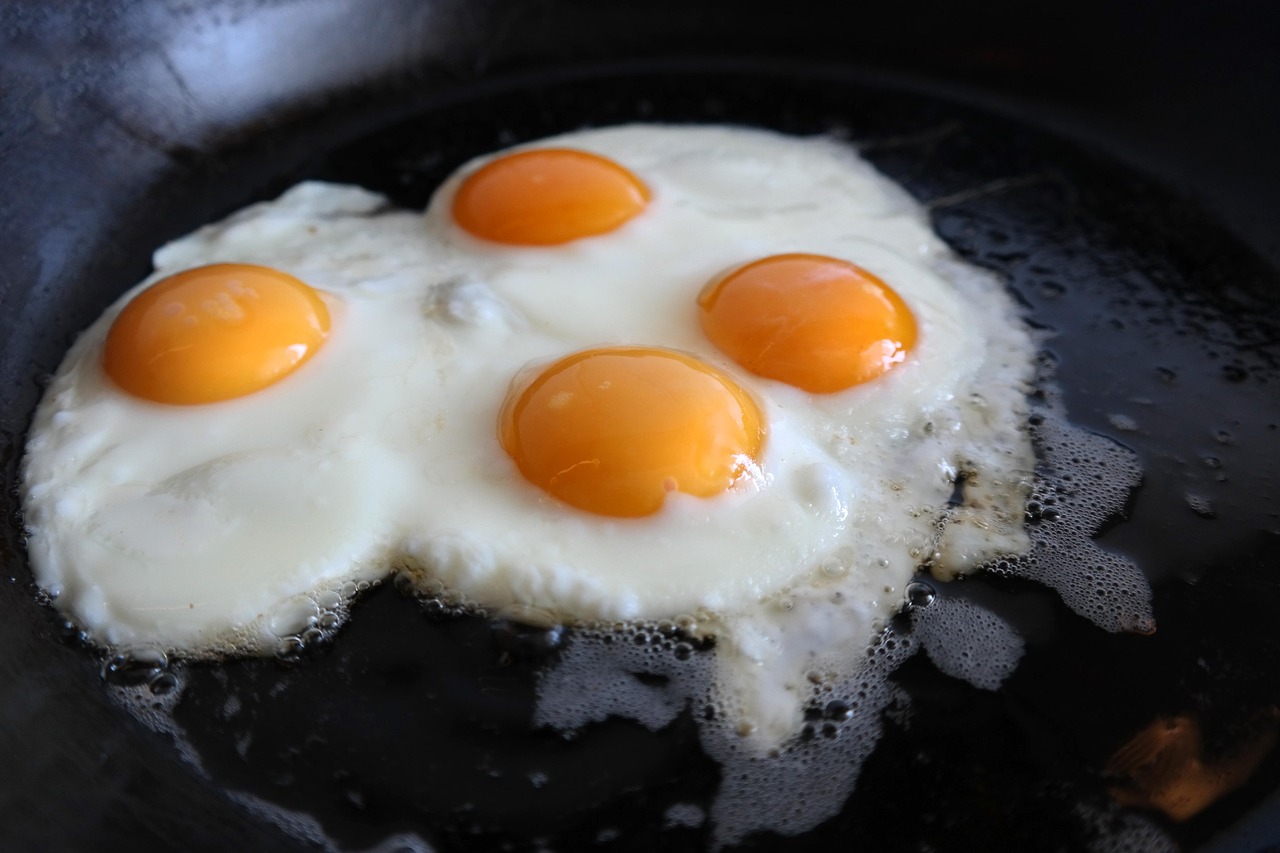
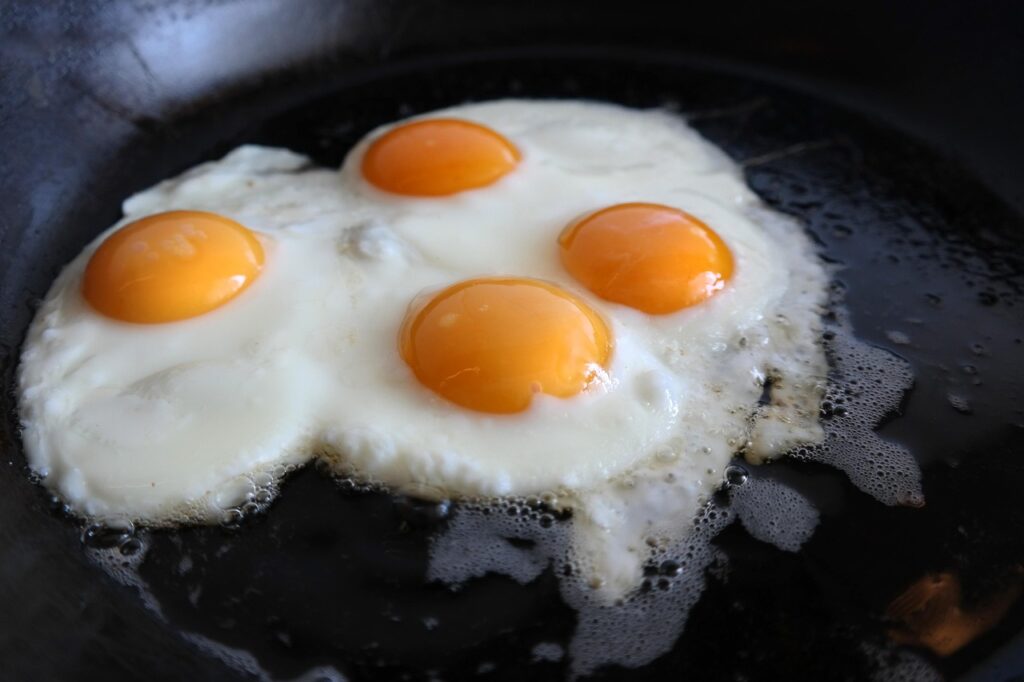
The evolution of Culinary Egg Techniques changed forever with the introduction of the non-stick pan. Before the mid-20th century, chefs relied on seasoned carbon steel or copper, requiring immense amounts of clarified butter to prevent sticking. Today, a high-quality non-stick pan allows the egg to glide across the surface, preserving its structural integrity. This tool is not a shortcut; it is a necessity for the modern “sunny side up” or the delicate French fold.
Professional kitchens often reserve specific pans exclusively for eggs. This prevents the surface from developing microscopic scratches that catch protein fibers. When the pan maintains its integrity, the chef uses less fat, allowing the pure flavor of the yolk to shine. Experts at Eater emphasize that even the most expensive cookware fails if the user subjects it to high-heat metal utensils.
Refining Texture: Straining and Blending
One of the most “shocking” secrets taught in elite culinary institutions involves the physical preparation of the egg before it ever touches the pan. Most home cooks crack an egg and whisk it vigorously with a fork, leaving behind strands of chalazae and uneven pockets of white and yolk. Professional chefs often pass their egg mixture through a fine-mesh chinois or use a blender on the lowest setting.
This process breaks down the thick albumen, creating a perfectly homogenous liquid. When cooked, this mixture produces a “custard-like” scramble that feels like velvet on the palate. This level of refinement separates a standard diner breakfast from a high-end gastronomic experience. You can find more on this meticulous preparation in our Related Topic regarding historical breakfast rituals.
The Role of the Flexible Spatula
Precision requires the right extension of the hand. While a wooden spoon works for a rustic stew, eggs demand a thin, flexible silicone or rubber spatula. This tool allows the chef to scrape the bottom and sides of the pan constantly, preventing “curds” from overheating against the edges. By maintaining constant motion, the chef ensures that no part of the egg remains in contact with the heat source for too long.
Residual Heat and the “Carry-Over” Principle
Perhaps the most critical of all Culinary Egg Techniques is the mastery of residual heat. Eggs continue to cook for several minutes after leaving the pan. A chef who waits until the eggs look “done” in the pan will invariably serve a dry, overcooked plate to the guest.
The secret lies in the “75% rule.” Chefs remove the eggs from the heat when they still appear slightly “wet” or underdone. The internal energy within the protein structure completes the cooking process during the walk from the stove to the dining table. This principle of “carry-over cooking” is a cornerstone of professional heat management, as detailed by the experts at Food & Wine.
Constant Agitation for Creamy Consistency
For the world-famous “soft scramble,” agitation is everything. Unlike a fried egg that sits undisturbed, a soft scramble requires the chef to move the eggs continuously. This prevents large curds from forming, instead creating a texture similar to a thick sauce or porridge.
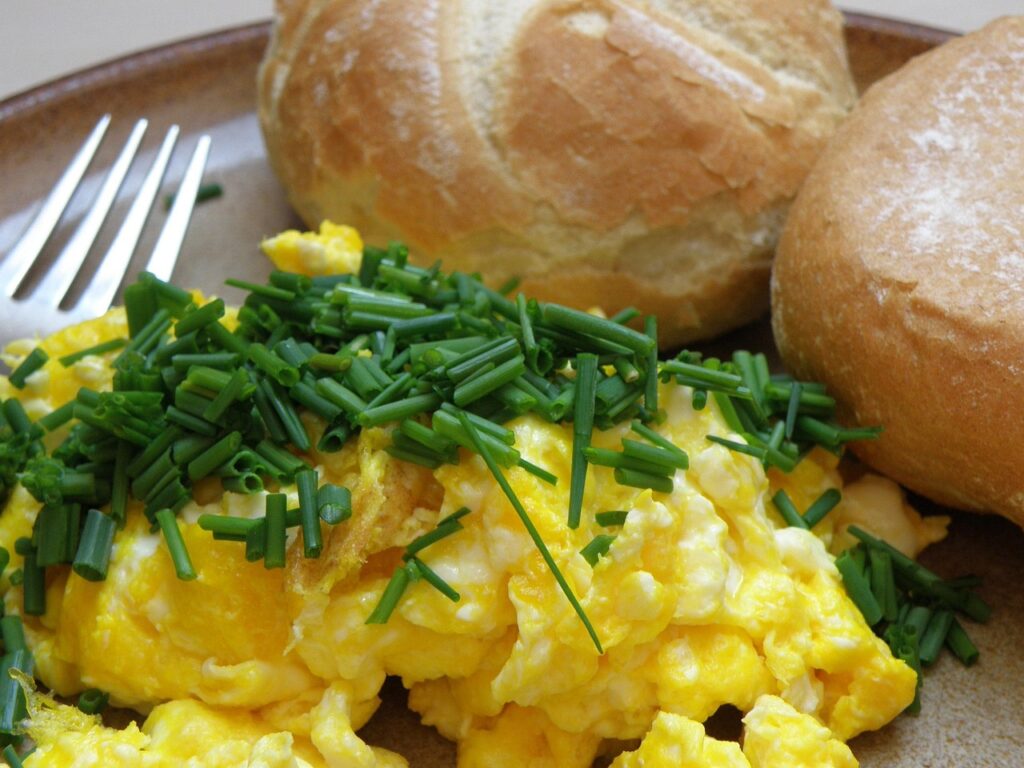
This technique mimics the traditional method of cooking eggs in a bain-marie (a water bath), which offers the ultimate protection against high heat. While the water bath takes longer, the results are incomparable. Modern chefs often achieve a similar result by moving the pan on and off the flame every 30 seconds, a rhythmic dance that regulates temperature with manual precision. As noted by Bon Appétit, this constant movement is what creates the “ribbon” effect found in luxury hotel breakfasts.
By incorporating these professional techniques—low heat, refined straining, and the strategic use of residual heat—the home cook transcends basic utility. The egg ceases to be a mere ingredient and becomes a historical artifact of culinary skill.