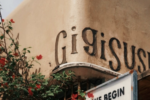
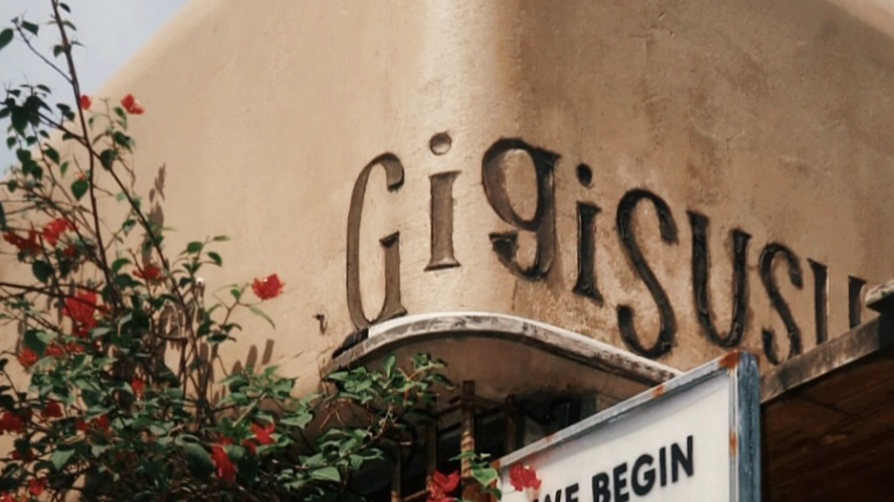
The arrival of a coastal phenomenon in the heart of Java’s cultural capital usually warrants a celebration of culinary fusion. However, the recent debut of Gigi Susu—a name synonymous with the sun-drenched, “aesthetic” lifestyle of Canggu—at Pakuwon Mall Yogyakarta has instead ignited a fierce socio-economic debate. For the uninitiated, this pop-up represents more than just a temporary stall; it is a litmus test for the scalability of Bali’s premium hospitality model in regions where the economic reality is starkly different. As a food critic for The Gilded Fork, I find that the controversy surrounding their Rp 60,000 croissant is not merely about the dough and butter, but about the historical and cultural friction that occurs when luxury “viral” brands meet local heritage.
The Cultural Significance of Gigi Susu in Modern Indonesia
To understand why Gigi Susu has become a lightning rod for criticism, one must first understand the “Bali Bubble.” In the enclave of Canggu, where digital nomads and international tourists converge, a Rp 60,000 pastry is an expected overhead of the “tropical chic” lifestyle. Brands like this have mastered the art of the Viennoiserie, a category of pastry that, according to Bon Appétit, bridges the gap between bread and cake through the meticulous lamination of dough.
Historically, the croissant—a descendant of the Austrian Kipferl—was a symbol of aristocratic indulgence before it became a staple of the French working class. In Indonesia, however, the trajectory is reversed. The croissant has become a symbol of the burgeoning “middle-to-upper” class aspirations. When Gigi Susu migrated from the shores of Bali to Yogyakarta, it brought its Canggu price tags with it, creating a jarring contrast with the local landscape.
The Economics of the Rp 60,000 Croissant
The outcry began on social media, specifically via X (formerly Twitter), where users pointed out the glaring disparity between the price of a single snack and the regional minimum wage (UMR) of Yogyakarta. With a monthly UMR of approximately Rp 2.85 million, the daily earning power of a local worker sits at roughly Rp 95,000.
A “Bundling Mahasiswa” (Student Bundle) at Gigi Susu, priced at Rp 85,000 for a drink and a pastry, represents nearly 90% of a local worker’s daily income. Critics have been quick to point out that even in the heart of Paris, a high-quality croissant rarely exceeds 2 Euros. As noted by culinary anthropologists at Eater, the “globalization of taste” often ignores local purchasing power, leading to what some are calling “culinary gentrification.”
A Tale of Two Cities: Canggu vs. Yogyakarta
Yogyakarta has long been celebrated for its affordable, high-quality street food, or Angkringan. It is a city where history is lived through the palate, and where the Michelin-starred philosophy of “quality for all” is often practiced in humble stalls. When Gigi Susu enters this ecosystem, it isn’t just selling a pastry; it is selling an “experience” curated for a specific demographic that views Yogyakarta as a playground rather than a home.
For a deeper look into how regional identities shape menu pricing, see our previous feature on The Evolution of Indonesian Cafe Culture.
The Viennoiserie Lineage: From Paris to Pakuwon
Is the quality of the product worth the cost? From a technical standpoint, producing a world-class croissant in a tropical climate is an expensive feat of engineering. Maintaining the “shatter” of the crust and the “honeycomb” interior requires high-quality imported butter and precise temperature control. These are the standards often highlighted by publications like Food & Wine when discussing the costs of artisanal baking.
However, the defense of “logistics and transportation costs” for a pop-up often falls flat when the price exceeds that of the original Bali location. The netizen’s comparison to French prices—where a croissant and coffee might cost half of the Yogyakarta bundle—highlights a global irony: luxury in developing markets often carries a higher premium than in the very cultures that birthed the product.
Final Thoughts: The Gilded Fork’s Verdict
While Gigi Susu undeniably produces a product that meets the aesthetic and sensory demands of the modern “foodie,” its entry into Yogyakarta serves as a cautionary tale. In the world of high-end gastronomy, context is everything. A croissant is never just a croissant; it is a reflection of the economy that baked it.
The backlash isn’t necessarily a rejection of the brand’s quality, but a collective “reality check” from a city that prides itself on its groundedness. As the pop-up continues its tenure at Pakuwon Mall, it remains to be seen if the “Canggu effect” can survive the scrutiny of a city that knows the true value of a silver coin.
Reviewer Note: While the “Student Bundle” name may seem ironic given the price, it underscores a growing trend where “student” is used as a lifestyle label rather than a financial status.
Discover the latest coffee trends, recipes, and coffee news by exploring our coverage here.