
Healthy Drinks offer a sophisticated alternative to the monotonous chore of sipping plain water, providing a sensory journey that dates back to the dawn of civilization. While the modern palate often settles for the sterile neutrality of a filtered tap, history suggests that our ancestors preferred beverages that offered both flavor and functional vitality. From the bustling coffeehouses of 17th-century London to the serene tea gardens of the Tang Dynasty, the pursuit of liquid wellness remains a constant in the human narrative. Choosing the right beverage ensures that your body receives essential antioxidants and vitamins while maintaining optimal hydration levels for peak physical performance.

Why Healthy Drinks Outperform Plain Water
The science of hydration transcends simple fluid intake, as the body craves the bioactive compounds found in specific Healthy Drinks to regulate metabolism. Recent clinical observations suggest that plain water, while necessary, lacks the complex micronutrients that bolster the immune system and reduce systemic inflammation. By integrating diverse liquids into your daily regimen, you invite a spectrum of polyphenols and electrolytes into your bloodstream. This holistic approach to hydration does not merely quench thirst; it fortifies the cellular structure against the rigors of modern life.
The Black Gold: Coffee’s Cardiovascular Legacy
Legend credits Kaldi, an Ethiopian goatherd, with the discovery of coffee after observing his flock’s frantic energy upon consuming red berries. Today, this dark elixir serves as a cornerstone of global productivity, but its benefits extend far beyond a simple caffeine jolt. Modern research, frequently highlighted by Food & Wine, indicates that consuming three cups of black coffee daily significantly lowers the risk of Type 2 diabetes and heart disease.
The bioactive compounds in coffee support metabolic function and provide a potent defense against internal inflammation. To preserve these medicinal qualities, one must resist the urge to drown the brew in processed sugars or heavy creams. A pure, unadulterated cup of coffee acts as a metabolic catalyst, ensuring the body remains lean and the mind stays sharp.
The Emperor’s Brew: Tea and the Art of Longevity
Tea remains the most consumed beverage globally after water, a testament to its enduring role as a pillar of wellness. Whether you prefer the grassy notes of Japanese Matcha or the robust depth of an Indian Assam, each variety offers a unique pharmacological profile. Green tea, prized for its high concentration of EGCG (epigallocatechin gallate), actively combats cellular damage. Meanwhile, black tea contains flavonoids that support vascular health, making it a staple for those monitoring their blood pressure.
For those seeking digestive relief or evening relaxation, herbal infusions offer a caffeine-free sanctuary. Nutritionists often recommend peppermint or ginger infusions to soothe the gastrointestinal tract. If you struggle with sleep, consider the ancient wisdom of Ashwagandha tea, a root used for centuries to balance cortisol levels. You can find more detailed guides on various tea profiles at Bon Appétit to refine your brewing technique.
Kombucha: The Living Elixir of the East
Originating in Northeast China during the Qin Dynasty, Kombucha earned the title “Tea of Immortality.” This fermented beverage utilizes a symbiotic culture of bacteria and yeast (SCOBY) to transform sweetened tea into a fizzy, probiotic-rich tonic. The fermentation process yields acetic acid and beneficial microbes that harmonize the gut microbiome, which is essential for a robust immune system.
Despite its trendy status in modern health aisles, one must approach Kombucha with a connoisseur’s restraint. Most commercial varieties contain approximately 8 grams of sugar and trace amounts of alcohol. Experts suggest limiting intake to 120ml per day to reap the anti-inflammatory benefits without overloading the liver. For those interested in the culinary rise of fermented tonics, Eater provides an excellent overview of the drink’s cultural impact.
Coconut Water: Nature’s Isotonic Miracle
In tropical climates, the coconut palm is the “Tree of Life,” and its clear liquid is a biological masterpiece. During World War II, doctors reportedly used coconut water as an emergency intravenous hydration fluid when saline was unavailable. This liquid contains a perfect balance of potassium, magnesium, and sodium, making it the ultimate post-exercise recovery tool.
Coconut water stands out as a natural electrolyte drink, free from the artificial dyes commonly found in commercial sports beverages. However, the natural sugars—roughly 6 grams per glass—require mindful consumption. It remains a superior choice for those seeking to replenish their stamina after a grueling session at the gym or a long day under the summer sun. The Michelin Guide often highlights how top-tier chefs incorporate this refreshing ingredient into high-end, health-conscious menus.
The Evolution of Dairy and Plant-Based Milks
Milk has transitioned from a basic Neolithic staple to a diverse category of nutritional powerhouses. Whether you choose traditional low-fat dairy or modern plant-based alternatives like almond, oat, or soy, these liquids provide the structural building blocks for bone density and muscle repair. Cow’s milk remains the gold standard for bioavailable calcium and Vitamin D, essential for maintaining a skeletal system that withstands the test of time.
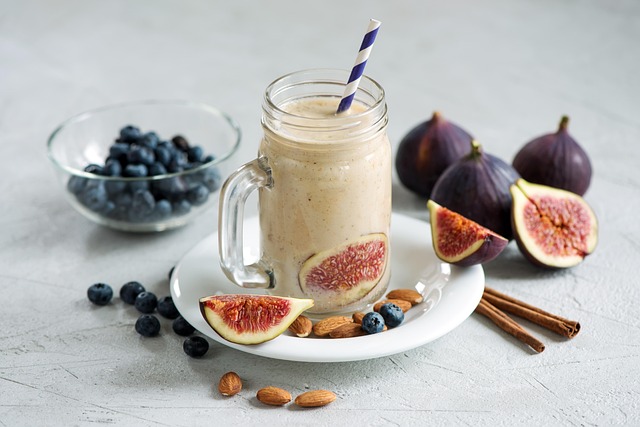
To elevate the nutritional profile of your morning glass, consider whisking in anti-inflammatory spices. A dash of turmeric, a pinch of black pepper, and a hint of cinnamon transform ordinary milk into “Golden Milk,” an ancient Ayurvedic remedy. If you are exploring dairy-free lifestyles, check out our Related Topic on plant-based protein sources to ensure you maintain a balanced amino acid profile. Choosing unsweetened versions of these milks prevents unnecessary glucose spikes, keeping your energy levels stable throughout the afternoon.
Discover the latest herbal drinks trends, and culinary news by exploring our coverage here.