At The Gilded Fork, we often find that the most profound culinary stories aren’t written in the blood of the hunt, but in the patient tilling of the soil. While the modern world views plant-based eating as a contemporary trend driven by wellness apps and carbon footprints, the reality is far more storied. To truly understand vegetarian cuisine, one must look past the “meat alternatives” of the 21st century and into the ancient soul of nations that have elevated the humble vegetable to an art form for millennia. From the spice-laden air of the Indian subcontinent to the sun-drenched hills of Tuscany, these five destinations offer more than just a meal; they offer a seat at a table laid by ancestors who found divinity in the harvest.
The Spiritual Lineage of India’s Vegetarian Cuisine
India stands as the undisputed titan of meatless dining, a status forged over two thousand years of religious and philosophical evolution. Here, vegetarian cuisine is not a lifestyle choice but a cultural heartbeat. The roots of this tradition are deeply entwined with the concepts of Ahimsa (non-violence) found in Hinduism, Jainism, and Buddhism. For the traveler, this translates into a staggering diversity of flavor that varies every few hundred miles.
In the North, the culinary narrative is one of richness and warmth. One might find themselves indulging in a Dal Makhani, a slow-cooked masterpiece of black lentils and kidney beans that rivals any meat-based stew in depth and complexity. Meanwhile, the South offers a lighter, fermented brilliance. The Dosa—a crisp, golden crepe made from rice and lentil batter—is a testament to the ingenuity of ancient preservation and fermentation techniques. According to the editors at Food & Wine, the mastery of spices like turmeric, cumin, and asafoetida in Indian kitchens has set the global gold standard for plant-based seasoning.
Italy and the Philosophy of “Cucina Povera”
When we think of Italy, our minds often drift to the cured meats of Emilia-Romagna, but the true soul of the Italian kitchen lies in Cucina Povera—the “cooking of the poor.” For centuries, rural Italian families relied on the seasonal bounty of their gardens, transforming simple ingredients into legendary dishes. This history has birthed a vegetarian cuisine that celebrates the ingredient in its purest form.
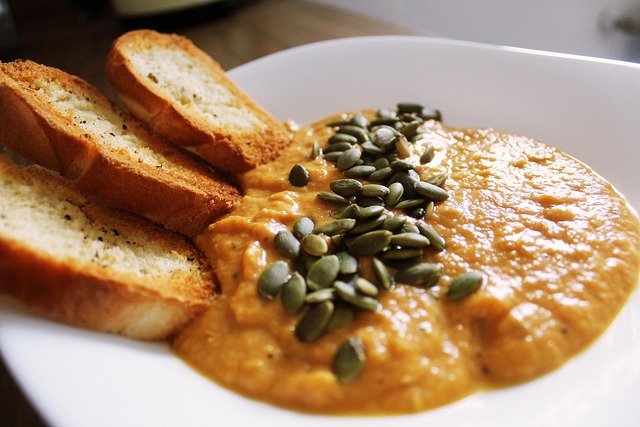
Consider the Pizza Margherita of Naples. Legend says it was created to represent the Italian flag, but its true genius lies in the trio of tomato, mozzarella, and basil—a meatless trinity that conquered the world. In Tuscany, the history of the “bean-eaters” (mangiafagioli) persists in hearty soups like Ribollita, which utilizes leftover bread and seasonal kale. As noted by the Michelin Guide, the Italian focus on “product-first” cooking ensures that even the simplest pasta aglio e olio feels like a luxury. You can read more about how these traditions influenced modern menus in our essay on the evolution of European farm-to-table dining.
Thailand’s Aromatic Temple Traditions
Thailand’s reputation as a vegetarian paradise is anchored in its vibrant street food culture and its deep Buddhist roots. While Thai food is often associated with fish sauce and shrimp paste, the “Jay” (vegetarian) tradition is a powerful force, particularly during the annual Nine Emperor Gods Festival. During this time, yellow flags flutter across Bangkok and Phuket, signaling a temporary shift to a strictly plant-based diet.
The beauty of Thai vegetarian cuisine lies in its ability to balance the four fundamental tastes: spicy, sour, sweet, and salty. A vegetarian Green Curry replaces shrimp paste with fermented soy and utilizes pea aubergines and Thai basil to create a profile so aromatic that the absence of meat goes unnoticed. The bustling night markets, often chronicled by Eater, serve as living museums where one can sample Mango Sticky Rice—a dessert that has remained unchanged for generations.
Taiwan: The Zen of Modern Mock Meats
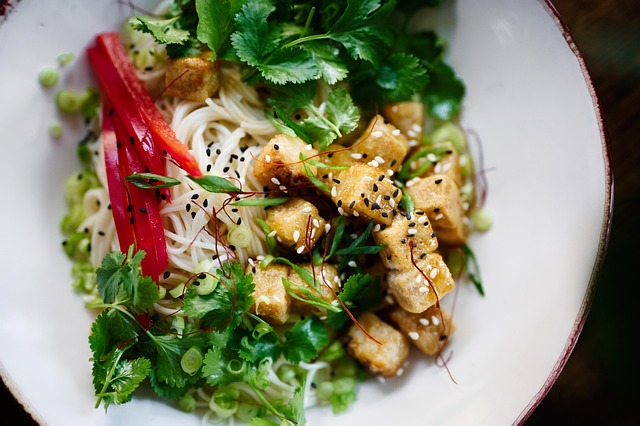
Taiwan is perhaps the world’s most underrated destination for the plant-based traveler. Influenced heavily by Zen Buddhism, the island has developed a sophisticated infrastructure for meatless dining. Here, vegetarian cuisine is treated with a level of precision that is almost clinical. Taipei is home to thousands of vegetarian “buffets” where the variety of tofu, seitan, and gluten-based dishes is dizzying.
The history here is one of transformation. Temple monks originally developed “mock meats” to provide familiar textures to visitors, a craft that has now evolved into a high-tech industry. However, the true gems are the simple, traditional bowls of vegetarian beef noodle soup—using braised mushrooms and radishes to mimic the umami of a slow-cooked brisket. This dedication to culinary mimicry and vegetable purity makes Taiwan a unique bridge between ancient tradition and modern innovation.
Ethiopia’s Orthodox Fasting Feasts
Ethiopia offers a culinary landscape unlike any other, largely due to the practices of the Ethiopian Orthodox Tewahedo Church. With over 200 “fasting days” a year—where adherents abstain from all animal products—the nation has perfected a vegetarian cuisine that is both communal and celebratory.
The centerpiece of every meal is Injera, a sourdough flatbread made from ancient teff grain. It serves as both plate and utensil for an array of Wats (stews). Misir Wat, a spicy red lentil stew seasoned with the complex Berbere spice blend, provides a heat that is both addictive and historical. Dining in Ethiopia is a lesson in patience and sharing, a sentiment echoed by the culinary anthropologists at Bon Appétit. To eat in Addis Ababa is to participate in a ritual that has remained largely untouched by the homogenizing forces of global fast food.
In conclusion, these five nations remind us that a meal without meat is not a meal of “less.” It is a meal of history, of resourcefulness, and of a deep, spiritual connection to the earth. For the discerning diner at The Gilded Fork, these destinations represent the pinnacle of gastronomic heritage.
Discover the latest food trends, recipes, and culinary news by exploring our coverage here.