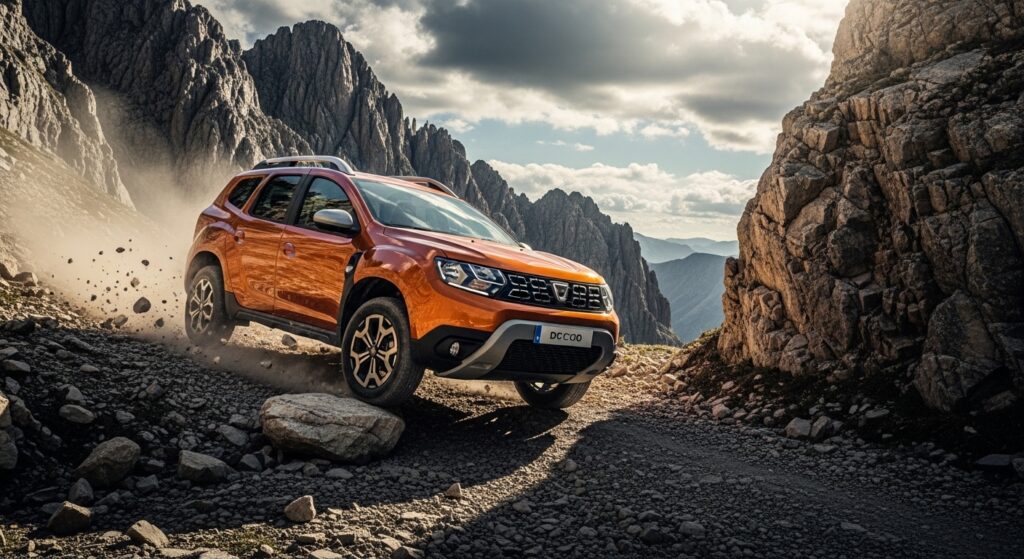
The Dacia Duster 4×4 just evolved from a budget workhorse into a Dakar-inspired tech powerhouse following a massive announcement from the Romanian brand. While the automotive world fixates on fragile luxury SUVs, Dacia quietly dominates the “everything you need, nothing you don’t” philosophy. This latest update brings the Hybrid 150 4×4 powertrain to both the iconic Duster and its larger sibling, the Bigster, proving that rugged capability and electrification make for a potent cocktail.
Unlocking the Dacia Duster 4×4 Hybrid 150 Secrets
Dacia engineers didn’t just stumble upon this setup; they built it on the back of immense success at the Dakar Rally. The brand recently proved its mettle in the sand with the Sandrider prototype, and that desert-conquering DNA now trickles down to the showroom floor. The new Hybrid 150 4×4 system replaces traditional mechanical linkages with a sophisticated “e-4×4” arrangement.
The heart of the system features a 1.2-litre turbocharged three-cylinder engine. This petrol unit sends 148bhp and 170lb ft of torque exclusively to the front wheels. However, the real magic happens at the rear axle. A 31bhp electric motor with 64lb ft of torque provides independent drive to the rear wheels, eliminating the need for a heavy propshaft running the length of the vehicle. This layout reduces weight, improves fuel efficiency, and provides near-instantaneous torque when the terrain turns treacherous.
Dakar Inspiration Meets Daily Utility
Critics often dismiss budget SUVs as “soft-roaders,” but the Dacia Duster 4×4 consistently defies those expectations. By utilizing an electric rear motor, Dacia offers a system that reacts faster than traditional mechanical differentials. When the front wheels lose traction on ice or mud, the electric motor engages immediately to push the vehicle forward.
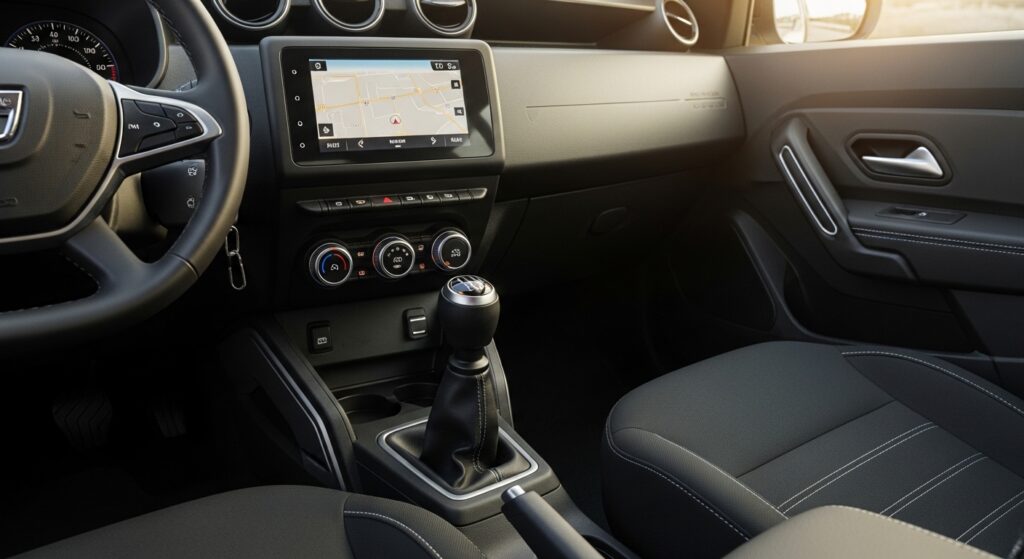
A six-speed dual-clutch gearbox manages the power delivery. For those who demand total control, Dacia includes paddle shifters behind the steering wheel. This manual override proves essential when descending steep Alpine gradients or managing a heavy trailer. According to enthusiasts at Top Gear, the Duster has always punched above its weight class in terms of pure mechanical grit. This hybrid update simply adds a layer of modern intelligence to that grit.
Comparing the Hybrid 150 to Existing Models
Dacia currently offers several flavors of the Duster, but the Hybrid 150 4×4 sits at the top of the hierarchy. Previously, buyers chose between the TCe 130 mild-hybrid 4×4 or the front-wheel-drive full hybrid 155. The Hybrid 150 bridges that gap perfectly. It offers more punch than the mild-hybrid variants while maintaining the all-wheel-drive security that Duster loyalists demand.
The technical specifications mirror the “Hybrid-G 150” recently launched in European markets. That specific version utilizes dual fuel tanks and a clever twin-speed gearbox mated to the electric motor. While we wait for final confirmation on the UK-spec battery size, the European model uses a 0.84kWh unit optimized for quick bursts of off-road power rather than long-range EV cruising.
Market Trends: Why Dacia Wins
The shift toward electrified all-wheel drive reflects a broader trend in the industry. Manufacturers like Toyota and Suzuki have found great success with similar “e-AWD” systems in the Yaris Cross and Jimny. However, Dacia maintains a price-to-performance ratio that remains virtually untouchable. As noted by Autocar, the expansion of the Dacia lineup into the C-segment with the Bigster shows the brand’s ambition to steal customers from the likes of Land Rover and Jeep.
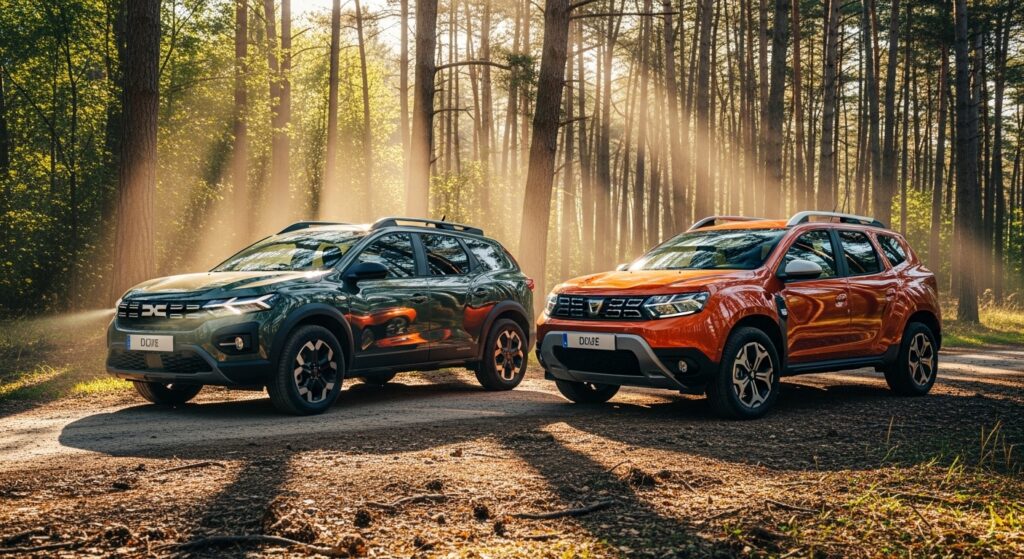
The design of the Duster and Bigster continues to lean into the “Yarky” aesthetic—rugged, blocky, and unpretentious. The use of “Starkle” plastic (a recycled material that shows off its speckled texture rather than hiding it) highlights Dacia’s commitment to sustainable design without the high-end price tag.
Performance on the Green Lane
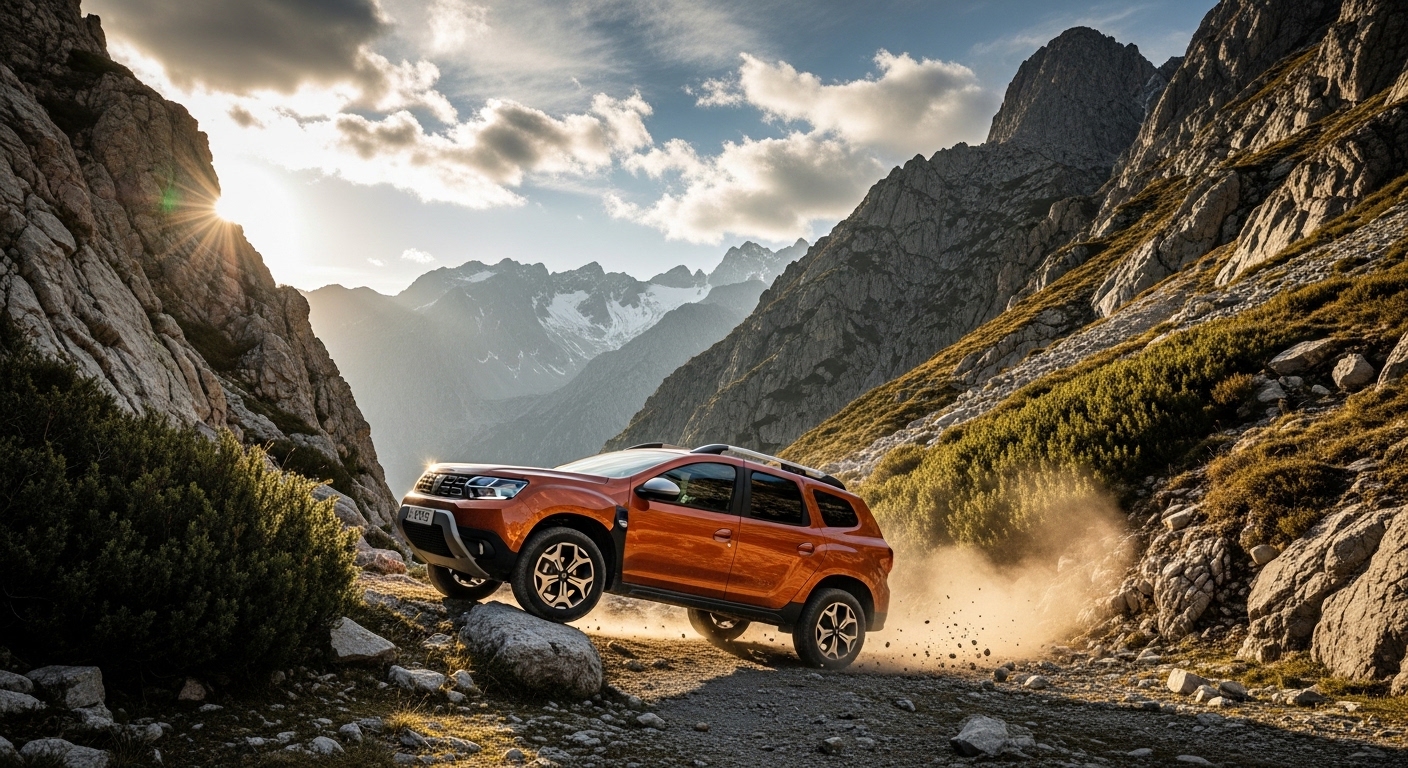
While most owners will use their Dacia Duster 4×4 for the school run or supermarket trips, the Dakar-inspired tech ensures it won’t embarrass itself when the pavement ends. The electric rear motor provides a “crawl” function that mimics a low-range transfer case, allowing the SUV to pick its way over rocks without burning out a clutch.
Industry experts at Motor Trend suggest that the move to hybrid 4×4 systems is the only way for small, affordable off-roaders to survive tightening emissions regulations. By ditching the heavy mechanical 4×4 components, Dacia keeps the CO2 figures low while keeping the capability high.
A six-speed dual-clutch transmission ensures smooth transitions between the petrol engine and the electric motor. This setup provides a more refined driving experience than the older, clunkier manual 4x4s, making the Duster a viable long-distance cruiser. Whether you are towing a caravan or exploring a mountain trail, the Hybrid 150 4×4 offers a level of versatility that few vehicles at this price point can match.
Dacia continues to prove that “budget” does not mean “basic.” By integrating Dakar Rally success directly into the drivetrain of their flagship SUVs, they have created a vehicle that is as clever as it is tough. The Dacia Duster 4×4 remains the champion of the people, now with the added sting of electric torque.