
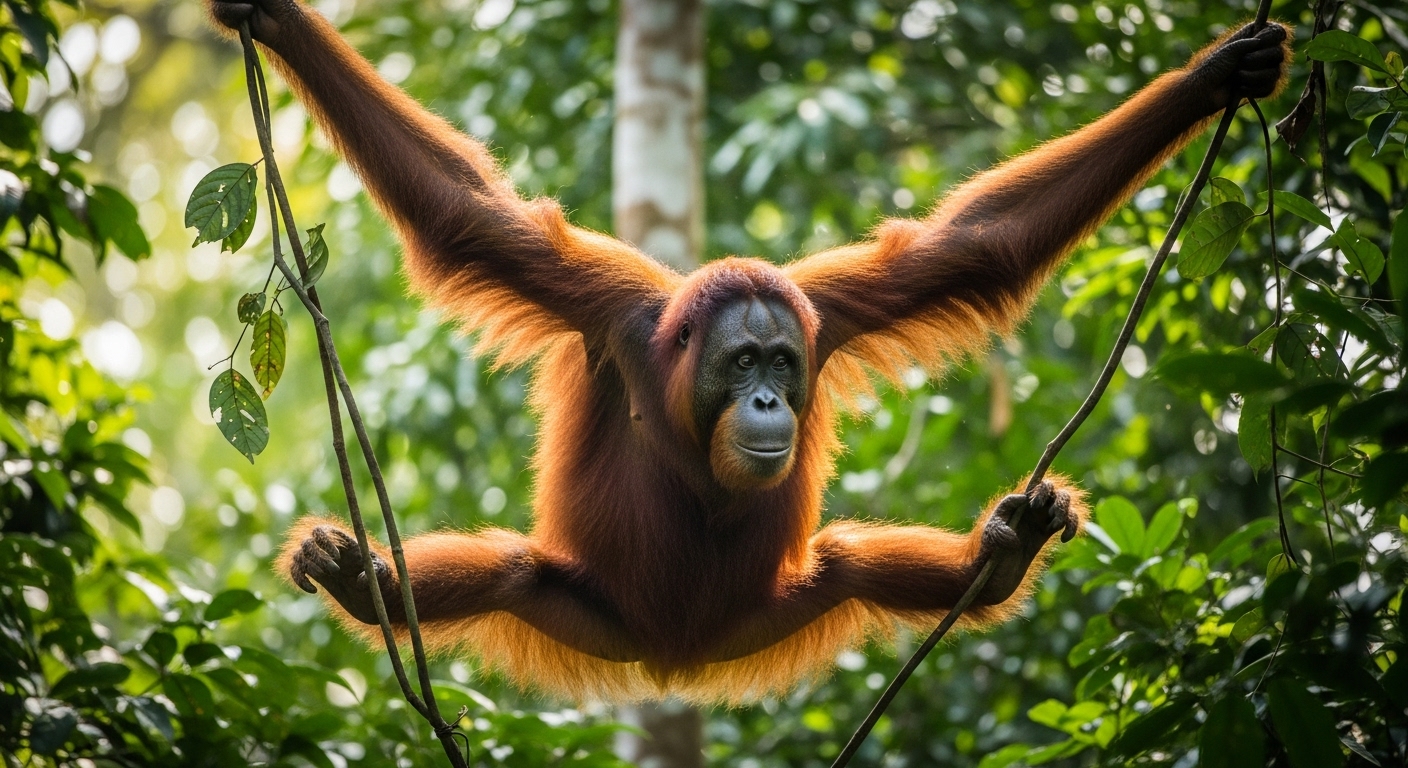
Every year on January 30, Indonesia celebrates National Primate Day. This date is very important. It acts as a check-up for the health of our rainforests. Indonesia is more than just a group of islands. It is a world full of life. The nation has over 60 different species. Because of this, it is a global leader in the study of primates. However, these animals are now in a fragile state.
Indonesian primate conservation is no longer just a small concern. Instead, it shows us the health of the whole planet. When primates do well, the forest stays strong. If they disappear, the silence will be a warning for us all.
How Primates Are Built
People often notice how similar primates are to humans. For example, watching a Macaque feels like looking into a mirror. Nature gave these creatures a special five-fingered hand. They have short nails instead of sharp claws. Also, their thumbs help them move with great skill. This body structure allows them to swing through the trees with ease.
They also have very sharp senses. Their large eyes help them judge distance. This is vital when they leap between high branches. Inside their skulls, complex brains help them use tools and live in groups. In fact, their brains start to grow before they are birth. Because of this, they have a high brain-to-body mass ratio. When you see a group of primates, you see a real society. They talk to each other using calls, face movements, and body language.
Where the Species Live
The 60 species live in different areas because of ancient history. Long ago, land bridges let them move to new places. Sumatra is a very important spot. It has 24 different species. These primates are related to animals in mainland Asia. On the other hand, Borneo has 14 species that live in wet swamps.
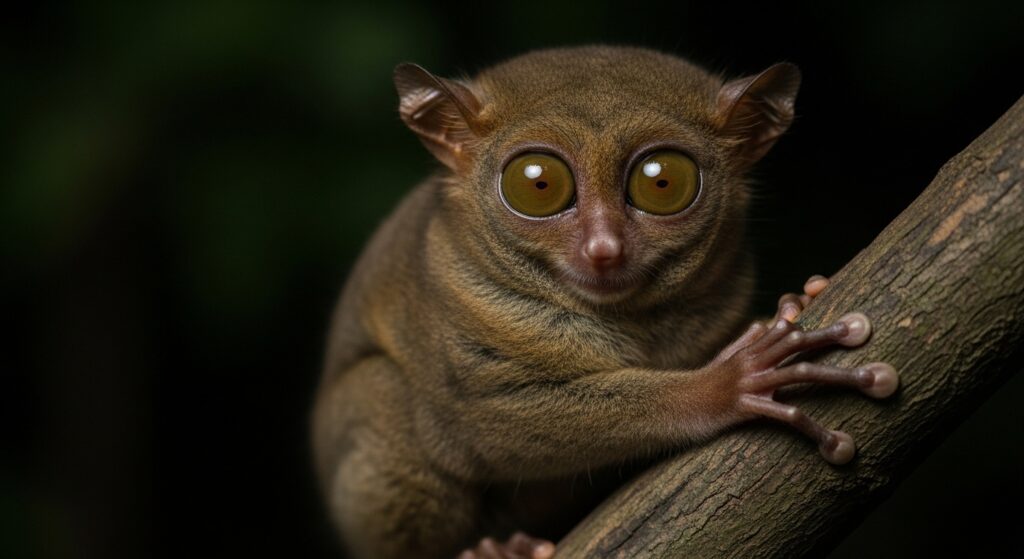
Sulawesi tells a different story. It has 16 species, including the small Tarsiers. These creatures are more like species found in the Philippines. This area is a special zone where different types of nature meet. Because they lived alone for so long, species like the black Macaca Nigra changed. They are now famous symbols found only in Indonesia.
The Eleven Main Groups
To understand these animals, you must look at the eleven main groups. These range from the tiny Slow Loris to the large Surili. The list also includes the loud Gibbons and the big Siamang.
Additionally, the Proboscis monkey of Borneo lives near the water. This proves that primates do not just stay in the trees. These animals act as the gardeners of the forest. They have teeth that help them eat fruits and seeds. After they eat, they spread these seeds across the jungle floor. This process helps the forest grow back for many years. According to a study on seed dispersal, primates are essential for a healthy forest.
Travel That Protects Nature
Many travelers now want more than just a vacation. We are in a new era of “Regenerative Travel.” This means we try to leave a place better than we found it. For many travelers, Indonesia offers a deep link to nature. However, this link comes with a big responsibility.
Currently, many primates are at risk. They face threats because they are losing their homes. Some people also hunt them illegally. Because of this, groups like International Animal Rescue (IAR) Indonesia work to save them. The government also sets up safe zones. Today, CITES lists many species to stop illegal trade.
A Call to Save the Jungle
The survival of these species depends on us. A healthy primate group means a healthy planet. Indonesia has set up many protected forests and programs. Even so, real change starts with us.
Seeing a Tarsier or hearing a Gibbon is a rare gift. It is a link to an ancient world. By supporting Indonesian primate conservation, we protect the lungs of the Earth. We must make sure the jungle stays full of life. The trees are calling, and we must answer.