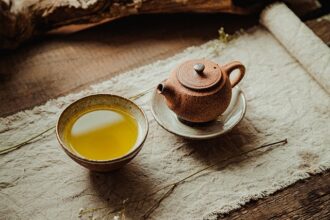
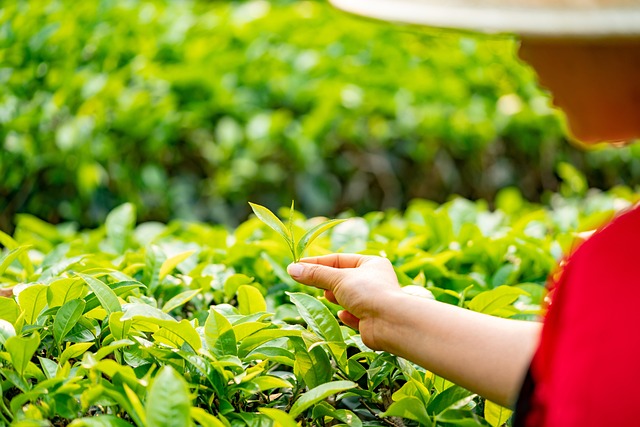
In the quiet alcoves of “The Gilded Fork,” we often find that the most profound stories are steeped in the simplest vessels. To the uninitiated, tea is a humble infusion—a comforting ritual of dried leaves and hot water that sustains the working masses from London to Jakarta. Yet, in the upper echelons of gastronomy, tea ceases to be a mere beverage and becomes a liquid artifact of history, geography, and prestige. At the pinnacle of this hierarchy sits Da Hong Pao, a legendary oolong that commands a staggering $1.2 million per kilogram, proving that for the true connoisseur, the price of perfection is virtually limitless.
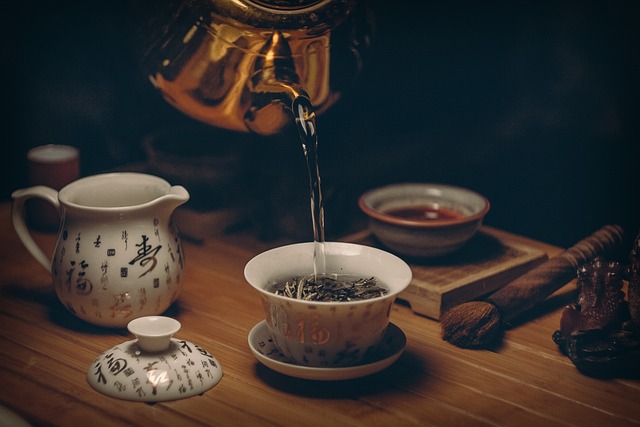
The Legend of Da Hong Pao Tea: China’s Liquid Gold
The story of Da Hong Pao, or “Big Red Robe,” is inextricably linked to the Ming Dynasty. Legend tells of an emperor’s mother who was cured of a mysterious illness by the leaves of four secret bushes in the Wuyi Mountains. In a gesture of profound gratitude, the emperor draped the bushes in magnificent red robes, granting them imperial status. Today, the original mother trees, some over 350 years old, are a national treasure of China.
When you sip a brew of this caliber, you are tasting a mineral-rich terroir that has been cultivated for centuries. According to experts featured in Eater’s guide to regional specialties, the authentic “Mother Tree” leaves are no longer harvested for the public, making the existing stock more valuable than gold. The flavor profile is a complex tapestry of roasted nuts, stone fruits, and a deep, lingering “yan yun” or rock charm that resonates on the palate long after the cup is empty.
Beyond the Steep: The Art of Luxury Tea
While Da Hong Pao holds the crown, the world of luxury tea is populated by other extraordinary varieties that challenge our understanding of value. Each leaf tells a story of unique craftsmanship or peculiar cultivation methods that would satisfy the most discerning Michelin-starred tea pairings.
Take, for instance, the curious case of Panda Dung Tea from Sichuan. Retailing at approximately $70,000 per kilogram, this green tea utilizes the nutrient-rich excrement of pandas as fertilizer. Because pandas only absorb about 30% of the nutrients from the bamboo they consume, the remaining organic matter creates a fertile soil that results in a leaf with a distinctively smooth, delicate flavor. It is a testament to the lengths producers will go to achieve a singular sensory experience.
For those who prefer their luxury with a side of literal brilliance, the PG Tips Diamond Tea Bag represents the intersection of commercial branding and high jewelry. Created for charity, this $15,000 tea bag is handcrafted with 280 diamonds and an 18-karat gold chain, housing rare Imperial Silver Tips. While perhaps more of a collector’s item than a daily brew, it highlights the cultural shift of tea from a pantry staple to a high-net-worth asset.
The Floral Elegance of the Iron Goddess
In the Anxi region of Fujian, we find Tieguanyin, also known as the Iron Goddess of Mercy. This semi-oxidized oolong is famous for its “buttery” texture and an aroma that mimics a blooming garden. Priced at $10,000 per kilogram, it is often rolled into tight, jade-colored pearls that unfurl beautifully during the ancient ritual of the tea ceremony. The labor-intensive process of repeated rolling and drying is what gives Tieguanyin its signature floral sweetness, a profile often explored in Bon Appétit’s technical guides to tea oxidation.
Time and Gold: The Aging Process
History is also a primary driver of cost. The Vintage Narcissus Oolong, named after the mythological figure Narcissus, is aged for decades in the Wuyi Mountains. Much like a fine Bordeaux, the tea evolves over time, shedding its youthful astringency for a profound, earthy depth. At $6,500 per kilogram, it is a favorite among those who appreciate the “aged” character of traditional oolongs.
Further south, Singapore offers a modern take on opulence with Yellow Gold Tea Buds. Harvested once a year with golden shears, the buds are painted with 24-karat gold flakes. At $3,000 per kilogram, it is a visual spectacle that has become a staple in luxury hotels across Asia. As noted in Food & Wine’s exploration of oolong and rare blends, the inclusion of gold is as much about the “qi” or energy of the metal as it is about the aesthetic.
Finally, we must acknowledge Junshan Yinzhen, a rare yellow tea from Junshan Island. Historically reserved for emperors, this tea is produced in such limited quantities that it remains one of the most elusive varieties on the market. Its subtle, honey-like sweetness and shimmering silver needles represent the pinnacle of yellow tea production.
In the world of “The Gilded Fork,” we recognize that these prices reflect more than just a commodity. Whether it is the ancient lineage of Da Hong Pao or the meticulous aging of a Narcissus oolong, these teas are a bridge to the past. They remind us that in an era of instant gratification, the most valuable things in life—history, patience, and craft—cannot be rushed. They can only be steeped.
For more tea news and updates, click here to explore our latest coverage.