
Instant Noodles once saved a starving post-war Japan, but today they represent a complex intersection of industrial convenience and public health crises. In 1958, Momofuku Ando stood in a small shed in Ikeda, Osaka, and birthed a revolution through the simple act of flash-frying noodles. He sought to feed a nation struggling with food shortages, yet he could not have foreseen how his invention would eventually dominate global pantries. Modern culinary historians at Eater frequently cite this moment as the dawn of the “convenience era.” However, the convenience of the three-minute meal carries a physiological price tag that many consumers ignore.
The Gilded Fork examines food through the lens of its impact on the human story, and the story of the instant noodle is one of efficiency over essence. While these packets offer a savory reprieve during a busy workday, the nutritional profile reveals a stark reality. Manufacturers primarily use refined wheat flour, a product stripped of its germ and bran. This process removes the essential fiber that regulates digestion and blood sugar. When you consume these noodles, your body processes the carbohydrates rapidly, leading to a sharp spike in insulin followed by a predictable lethargy.
Instant Noodles and the Sodium Threshold
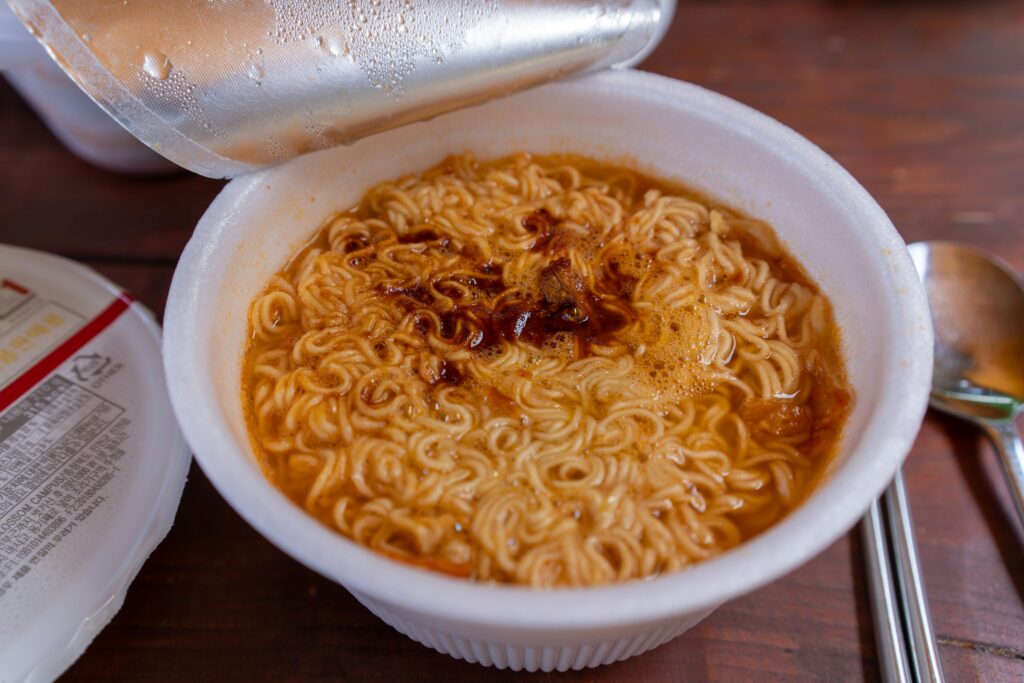
The most alarming component of the average packet remains the seasoning sachet. A single serving of Instant Noodles often contains between 600 and 1,500 milligrams of sodium. The World Health Organization (WHO) maintains a strict recommendation of less than 2,000 milligrams of sodium per day for adults. Consequently, eating just one bowl can account for nearly 75% of your daily allowance. High sodium intake forces the kidneys to work overtime to balance fluid levels, which significantly increases blood pressure.
Over time, this arterial pressure damages the cardiovascular system. Researchers at Food & Wine have highlighted studies linking high-sodium diets to chronic hypertension and eventual heart failure. The body effectively enters a state of high-alert fluid retention every time a consumer finishes the salty broth. This biological tax becomes even more expensive when the habit becomes daily.
The Refined Grain and Fiber Deficit
Refined wheat flour serves as the structural foundation for most commercial noodles. During the milling process, the grain loses its nutritional integrity. This lack of fiber means the “fullness” one feels after eating is temporary and largely physical rather than nutritional. Fiber plays a vital role in maintaining the health of the gut microbiome. Without it, the digestive tract lacks the necessary bulk to move waste efficiently.
Furthermore, the absence of protein and essential micronutrients like Vitamin A, Vitamin C, and Calcium makes the meal “hollow.” While the calories provide energy, they provide no building blocks for cellular repair. The Gilded Fork advocates for recreational dining habits that prioritize whole ingredients over processed shortcuts. When a meal lacks these foundational elements, the body remains nutritionally starved despite a full stomach.
Lessons from the South Korean Study
South Korea serves as a fascinating, albeit cautionary, case study for noodle consumption. As the world’s leading consumer of instant ramen per capita, the nation provides ample data for health researchers. A significant study involving South Korean adults revealed that those consuming instant noodles more than twice a week faced a significantly higher risk of metabolic syndrome.
Metabolic syndrome encompasses a cluster of conditions: increased blood pressure, high blood sugar, excess body fat around the waist, and abnormal cholesterol levels. This combination dramatically elevates the risk of Type 2 diabetes and stroke. Even the Michelin Guide, which has recently begun recognizing high-quality ramen shops, acknowledges the vast difference between artisanal broth and the chemical-laden packets found in grocery aisles. The industrial additives used to preserve the shelf life of these noodles, such as Tertiary Butylhydroquinone (TBHQ), further complicate the body’s ability to process the food.
Reimagining the Bowl
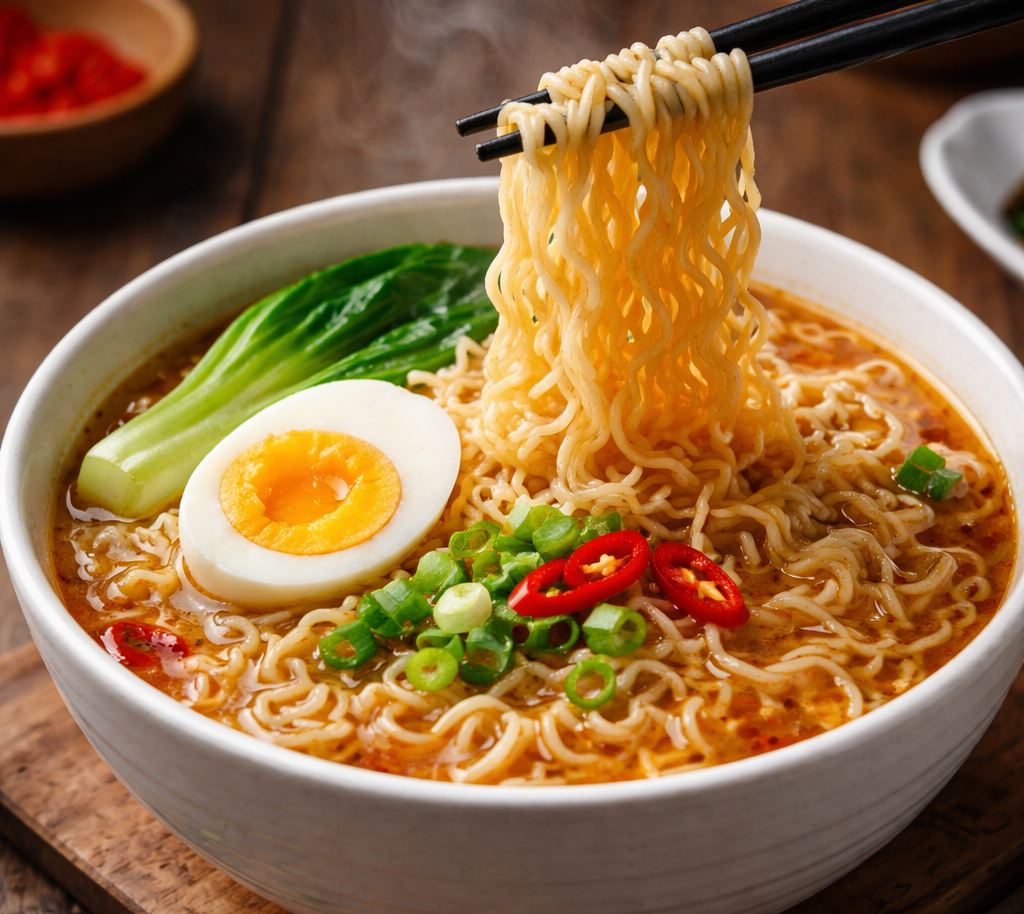
The solution does not necessarily require a total ban on the product. Instead, the “Gilded Fork” philosophy suggests a return to the kitchen. If you must consume instant noodles, treat them as a blank canvas rather than a completed masterpiece. Nutritionists at Bon Appétit suggest discarding half the seasoning packet to immediately reduce sodium intake by 50%.
Adding a poached egg provides the necessary protein to slow the absorption of carbohydrates. Fresh spinach, bok choy, or grated carrots introduce the missing fiber and essential vitamins. By transforming the meal from a chemical shortcut into a balanced dish, you mitigate the “shock” to the metabolic system. The goal is to move the product from a daily staple to a “recreational” food—something enjoyed for its nostalgia or convenience on rare occasions, rather than a primary source of sustenance.
The kidneys and heart do not forget the choices made at the dinner table. While Momofuku Ando’s invention solved the problem of hunger in 1958, the modern consumer faces the opposite problem: an abundance of calories with a deficit of health. Balancing the historical convenience of the noodle with the biological requirements of the human body requires a conscious effort to look beyond the three-minute timer.