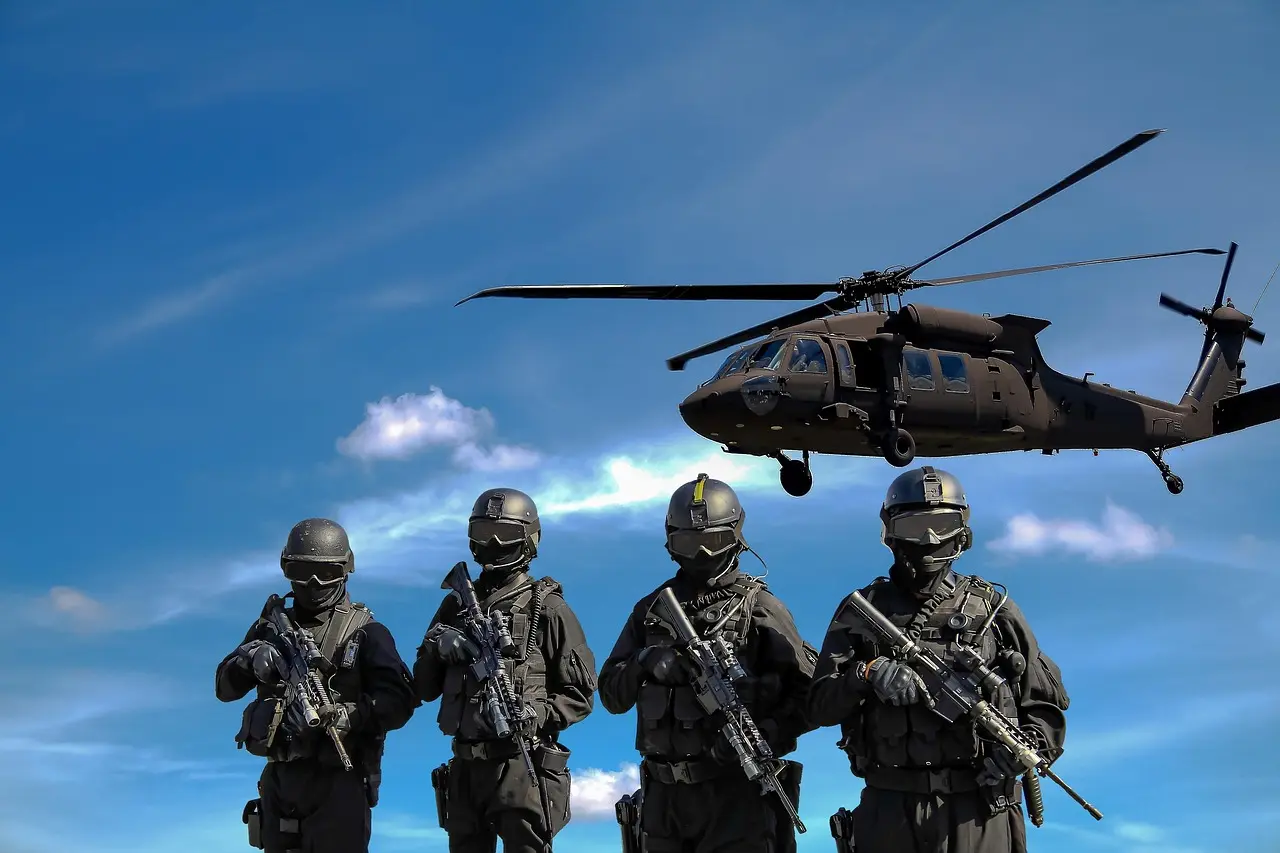
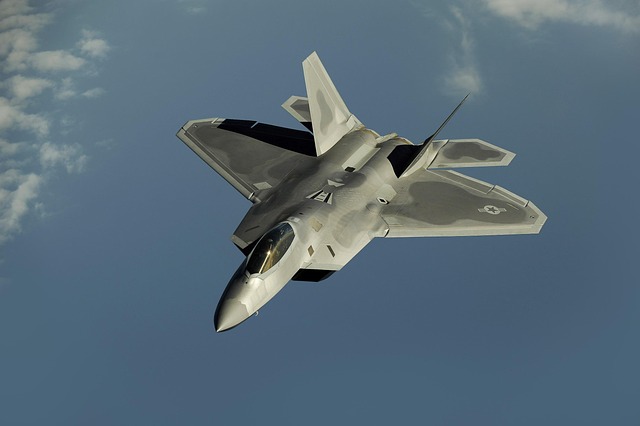
The geopolitical landscape of the Middle East underwent a seismic shift on the night of February 28, 2026, as a coordinated military offensive plunged the region into a volatile Iran Conflict Crisis. Operation “Roaring Lion,” spearheaded by Israeli forces, and the U.S. Department of Defense’s “Epic Fury” have effectively dismantled the status quo, targeting Iranian strategic infrastructure with surgical precision. As Tomahawk missiles and stealth aircraft neutralized S-300 air defense batteries and Islamic Revolutionary Guard Corps (IRGC) command centers, the immediate fallout was not merely military, but a total paralysis of international transit.
Based on industry trends in geopolitical risk management, the scale of this escalation suggests a pre-calculated effort to reshape regional power dynamics. However, the Iranian response—a massive barrage of drones and ballistic missiles targeting not only Israel but also U.S. assets in Bahrain, Kuwait, and Qatar—has transformed a localized strike into a continental emergency.
The Strategic Anatomy of “Epic Fury”
Our analysis indicates that the synchronization of these strikes was designed to overwhelm Iranian electronic warfare capabilities. However, the unintended consequence has been the immediate shuttering of the world’s most critical commercial flight paths. The Federal Aviation Administration (FAA) issued an emergency Notice to Air Missions (NOTAM), effectively turning the skies over the United Arab Emirates and Qatar into a “no-go” zone for commercial carriers.
A Global Exodus: The Diplomatic Domino Effect
The internal coordination between Western allies was evident hours before the first kinetic strike. The German Foreign Ministry, having been briefed by Washington, was among the first to issue a blanket “Do Not Travel” warning for a ten-nation bloc including Saudi Arabia, Oman, and Jordan. This level of foresight underscores the gravity of the situation, suggesting that European intelligence agencies anticipate a prolonged period of instability rather than a brief skirmish.
The Collapse of the Aviation Hubs
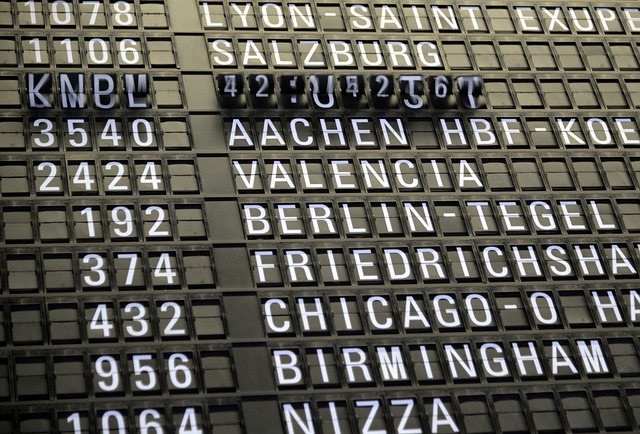
1. The European Response: The BBC reports that the UK’s Foreign, Commonwealth and Development Office (FCDO) has moved Iran, Israel, and the Palestinian territories to a “Red List” status, urging all citizens in Lebanon to flee via any remaining commercial means. Similarly, the Dutch Ministry of Foreign Affairs and KLM have suspended operations, citing the inability to guarantee consular protection as the conflict moves into an unpredictable phase.
2. The Asian Withdrawal: In a decisive move, South Korea has implemented a Level 4 Travel Ban—the highest legal restriction—threatening criminal charges for citizens who enter southern Lebanon or the Iranian border zones. Singapore and Japan have followed suit, with Tokyo raising its alert level to “Immediate Evacuation” for all personnel near military installations in the Gulf.
3. The Italian Precedent: Italy’s Farnesina has not only advised against travel but has seen its national carrier, ITA Airways, suspend all routes to Tel Aviv, reflecting a broader European trend of total logistical decoupling from the Levant.
Navigating the New Reality
“The speed at which the ‘Do Not Travel’ orders were issued is a clear indicator that the West views this not as a temporary flare-up, but as a fundamental shift in regional security,” notes a senior analyst at The New York Times. For the thousands of expatriates currently trapped in the crossfire, the window for a safe commercial exit is closing rapidly, replaced by the grim necessity of state-led military extractions.
The strategic map of the Middle East has been redrawn in a single weekend, and the world is now bracing for the aftershocks of a conflict that has only just begun to reveal its true cost.
The era of stable transit through the Middle East has ended, replaced by a volatile frontier where the line between a civilian flight path and a combat zone has entirely vanished.