
Jesse Jackson transformed the American political landscape through sheer willpower and oratorical brilliance before passing away at age 84. His family confirmed the death of the civil rights titan, noting his “unwavering commitment to justice, equality, and human rights.” For over six decades, Jackson occupied the front lines of every major cultural shift in the United States. He functioned as a bridge between the radical activism of the 1960s and the institutional politics of the 21st century.
Why Jesse Jackson Remains the Architect of Modern Protest
Jesse Jackson understood the power of the television lens better than almost any other leader of his generation. Born Jesse Louis Burns in 1941, he grew up under the suffocating weight of Jim Crow segregation in South Carolina. This environment forged a man who refused to accept the margins of society. By the time he joined the Selma-to-Montgomery march in 1965, he had already caught the eye of Dr. Martin Luther King Jr.
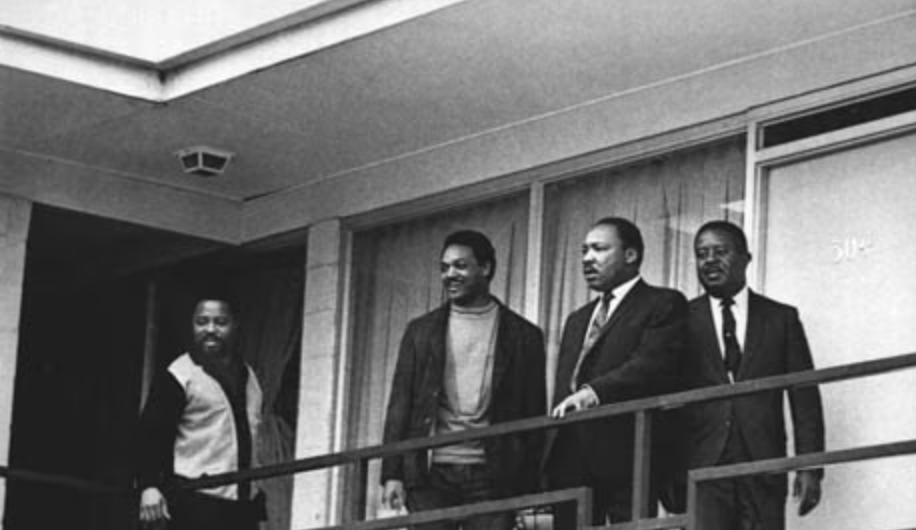
The trauma of 1968 defined his early career. Jackson stood on the balcony of the Lorraine Motel when an assassin’s bullet took King’s life. While the event shattered the nation, it propelled Jackson into a leadership vacuum. He leveraged this proximity to King to launch Operation PUSH in Chicago. This organization didn’t just march; it negotiated. Jackson forced major corporations to hire Black workers and invest in minority-owned businesses, effectively creating a blueprint for corporate social responsibility.
The Rainbow Coalition and the 1984 Disruption
Jackson broke the “glass ceiling” of the Democratic Party long before the term became a staple of political discourse. His 1984 and 1988 presidential campaigns shifted the Overton Window of American politics. He didn’t just run as a Black candidate; he ran as the leader of the “Rainbow Coalition.” This movement sought to unite Black voters, Latinos, poor whites, and the LGBTQ+ community under a single banner of economic populism.
According to a report by Rolling Stone, Jackson’s ability to mobilize the “disenfranchised” forced the Democratic establishment to take progressive issues seriously. He spoke about healthcare, the environment, and fair wages at a time when the Reagan-era consensus dominated the airwaves. His 1988 speech at the Democratic National Convention, where he famously declared, “I am somebody,” remains a masterclass in political rhetoric. He told the youth in the slums that while they were born in poverty, poverty was not born in them.
Navigating Global Diplomacy and Controversy
Beyond American borders, Jackson acted as an unofficial shadow Secretary of State. During the 1990s, he transitioned into a mediator role that few elected officials could replicate. He traveled to Syria, Iraq, and Serbia to negotiate the release of American prisoners. His work in South Africa proved equally vital. Jackson became a leading voice in the movement to end apartheid, eventually serving as a special envoy to Africa for the Clinton administration.
However, his career faced significant hurdles. His 1984 campaign nearly derailed after he used an anti-Semitic slur during a private conversation with a reporter. He spent years repairing his relationship with the Jewish community and publicly broke ties with Nation of Islam leader Louis Farrakhan. This era of his life showcased the complexities of protest culture evolution and the necessity of public accountability for leaders in the spotlight.
As noted by The Hollywood Reporter, Jackson’s life often mirrored the dramatic arcs of the documentaries that later sought to capture his essence. He was a man of contradictions: a preacher who sought secular power, and a disruptor who eventually became an elder statesman.
The Final Act: Parkinson’s and Black Lives Matter
Even after a Parkinson’s disease diagnosis in 2017, Jackson refused to retreat from the public eye. He recognized that the fight for civil rights had entered a new, digital phase. When the Black Lives Matter movement ignited following the murder of George Floyd, Jackson traveled to Minneapolis. He mentored a new generation of activists, reminding them that “relief is not victory.”
He pushed for vaccine equity during the COVID-19 pandemic, highlighting how systemic racism impacted healthcare outcomes for Black Americans. His presence at rallies provided a sense of historical continuity. He linked the struggles of the 1960s to the modern fight against police brutality.
The industry trade Variety has often highlighted Jackson’s influence on the entertainment industry’s push for diversity. He understood that cultural representation in Hollywood was just as important as voting rights in Alabama. He pressured networks to diversify their boardrooms and cast more people of color in lead roles.
A Legacy of “Keeping Hope Alive”
The death of Jesse Jackson marks the end of an era. He was the last of the “Big Six” style leaders who could command a room with a single rhythmic phrase. He paved the way for Barack Obama’s presidency—a fact Obama acknowledged during his 2008 victory celebration, where Jackson was seen weeping in the crowd.
Jackson’s life proves that political power doesn’t always require an office. It requires a voice, a platform, and the courage to remain “uncomfortable” in the face of injustice. Reporters at Deadline continue to track the tributes pouring in from world leaders, all of whom acknowledge that the modern world looks significantly different because Jackson chose to “keep hope alive.”
He leaves behind a family of activists and a nation that is still grappling with the questions he raised decades ago. His work with the National Rainbow Coalition continues to influence how grassroots organizations mobilize today. Jesse Jackson did not just witness history; he grabbed it by the collar and forced it to move forward.