
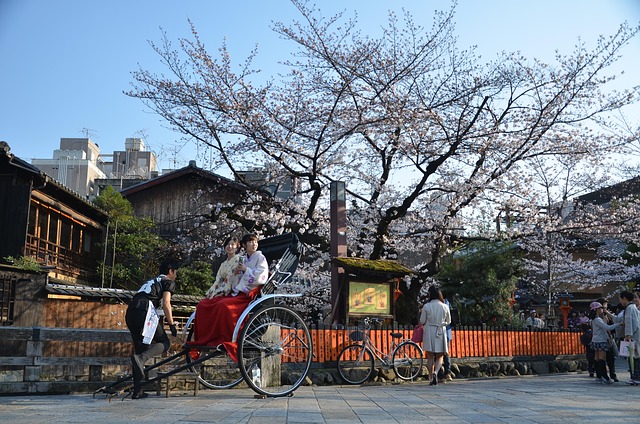
Kyoto Accommodation Tax updates now redefine the cost of heritage for every traveler visiting Japan’s cultural heart. Starting March 1, 2026, the city of ten thousand shrines introduces a revamped fiscal framework that directly targets the booming high-end hospitality sector. While the morning mist still dances over the Kamo River and the geisha of Gion move with timeless grace, the financial ledger for your stay now reflects a bold new strategy to manage the city’s immense popularity. This shift signifies a pivot in how Kyoto balances its status as a premier destination on the “Golden Route” with the necessity of maintaining its ancient infrastructure.
Understanding the Kyoto Accommodation Tax Shift
The city government recently clarified the new tax tiers, silencing rumors of a blanket ten-fold increase across all sectors. Instead, Kyoto utilizes a surgical approach to taxation, ensuring that those who indulge in the most opulent surroundings contribute the most to the city’s preservation. If you plan to explore the historic corridors of the Higashiyama District, consulting a Lonely Planet guide remains essential for navigating the cultural nuances, but your hotel bill will now require its own careful navigation.
For the budget-conscious traveler, the impact remains negligible. Kyoto maintains the current rate of 200 yen (approximately Rp 21,000) for any accommodation priced under 6,000 yen per person, per night. This decision protects the accessibility of the city for backpackers and students, keeping the spirit of exploration alive for those on a modest budget. However, as the nightly rate climbs, so does the civic contribution required by the municipality.
The Massive Surge for Luxury Suites
The most dramatic changes target the pinnacle of the hospitality market. Guests booking rooms that exceed 100,000 yen (Rp 10.7 million) per night face a staggering increase. Previously, these elite travelers paid a modest fee, but the new Kyoto Accommodation Tax structure demands 10,000 yen (Rp 1 million) per night. This ten-fold jump specifically impacts the ultra-luxury segment, including world-renowned brands and exclusive private villas.
Travelers seeking the ultimate Japanese experience often look toward the Related Topic of high-end traditional inns. These establishments, known for their omotenashi (hospitality), now find themselves at the center of this tax revolution. According to reports featured in Condé Nast Traveler, the demand for authentic, high-priced luxury in Japan shows no signs of slowing, even with these additional costs. The city views this revenue as a vital tool for combating “over-tourism” and improving the quality of life for its permanent residents.
Breaking Down the Mid-Tier Brackets
The middle ground of Kyoto’s hotel market also sees notable adjustments. Travelers spending between 6,000 and 19,999 yen per night will see their tax double from 200 yen to 400 yen. While this appears minor in isolation, a week-long family stay in a mid-range hotel now carries a more visible surcharge.
Hotel rooms priced between 20,000 and 49,999 yen will have their accommodation tax raised from 500 yen to 1,000 yen. Meanwhile, the increase is significantly higher for upper-midrange properties, where rooms in the 50,000–99,999 yen bracket will see the tax climb from 1,000 yen to 4,000 yen. The policy reflects Kyoto’s push to generate more revenue from international tourists staying in four-star and boutique hotels across the city.
Strategic Planning for the Golden Route
Travelers planning a comprehensive Japan itinerary must now factor these costs into their total expenditure. As one of the top-rated cities on TripAdvisor, Kyoto’s popularity ensures that hotels often book out months in advance. The implementation of the tax on March 1 means that spring cherry blossom tours will be the first major seasonal event to feel the full weight of the new pricing.
To maximize value, consider the timing of your reservation. While the tax applies per person per night, the experience of Kyoto remains unparalleled. The city uses these funds to maintain the very temples and gardens that draw millions annually. By paying the Kyoto Accommodation Tax, you contribute directly to the restoration of the silver-clad Ginkaku-ji or the iconic orange gates of Fushimi Inari.
Why the Tax Matters for Kyoto’s Future
Kyoto faces a unique challenge: it is a living museum that must function as a modern city. The influx of tourists brings immense wealth but also places a heavy burden on public transport and local resources. The city government designs this tiered tax system to ensure that tourism pays for its own footprint. Luxury travelers, who often utilize the most exclusive services and locations, essentially subsidize the preservation of the city’s soul.
Every yen collected through the Kyoto Accommodation Tax goes toward enhancing the visitor experience and protecting the environment. This includes better signage, multilingual support, and the physical upkeep of historic neighborhoods like Pontocho. When you check into your luxury suite overlooking the city skyline, remember that your contribution helps keep the lanterns of Kyoto burning for generations to come.
For more travel article updates, click here to explore our latest coverage.