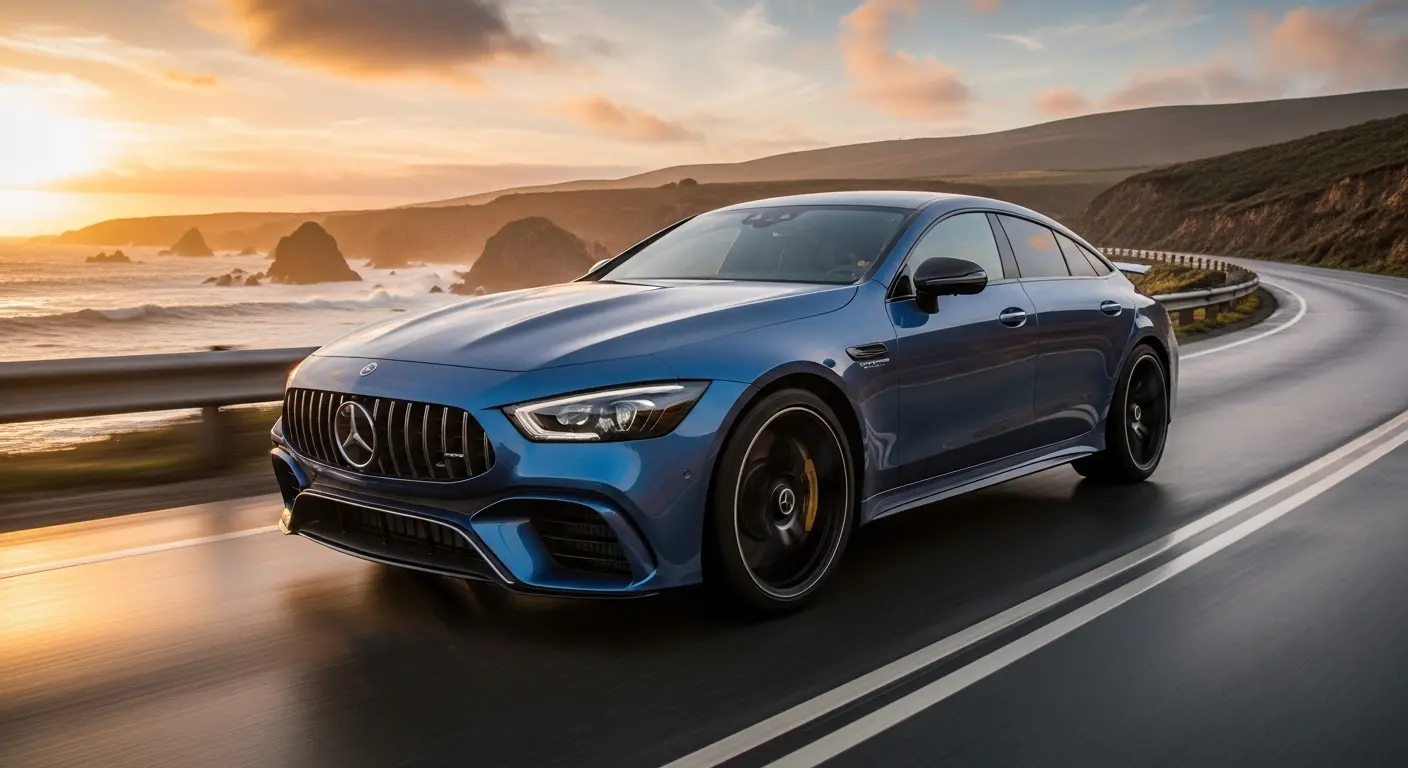
The automotive landscape is currently witnessing a tectonic shift as traditional powerhouses grapple with the existential transition from internal combustion to electrification. At the center of this upheaval is the Mercedes-AMG GT 4-Door, a vehicle that represents more than just a new model release; it is a high-stakes gamble on the future of performance luxury. Recent data regarding the vehicle’s interior architecture reveals a cockpit dominated by a “hyperscreen” philosophy, yet the most profound revelations lie in how the Affalterbach-based manufacturer intends to reconcile its “One Man, One Engine” heritage with a silent, three-motor electric powertrain. Our analysis indicates that this is not merely an aesthetic update, but a calculated survival strategy in an increasingly crowded high-end EV market.
The Digital Hegemony of the AMG.EA Architecture
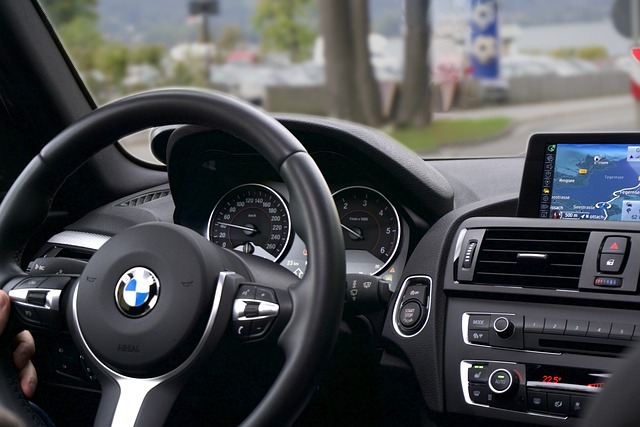
The upcoming Mercedes-AMG GT 4-Door serves as the vanguard for the brand’s dedicated electric platform, known as AMG.EA. While the exterior promises the aggressive silhouette of the Concept AMG GT XX, the interior is where the ideological battle for the brand’s soul is being fought. The cabin is anchored by a triple-screen array: a 10.2-inch instrument cluster, a 14-inch central multimedia hub, and an optional 14-inch passenger display. This “sporty digital experience” is designed to immerse occupants in a data-rich environment, a move that Reuters reports is becoming the standard for luxury manufacturers seeking to justify six-figure price tags in the post-combustion era.
However, the proliferation of glass and pixels raises significant questions regarding driver distraction and the dilution of the tactile engagement that once defined the AMG brand. By angling the central screen toward the driver, Mercedes-AMG is attempting to maintain a “cockpit” feel, yet the reliance on haptic interfaces over physical switchgear remains a point of contention among purists. Based on industry trends observed by The New York Times, the pivot toward “software-defined vehicles” is often a double-edged sword, offering unprecedented customization at the cost of the mechanical permanence that collectors value.
Reclaiming the Tactile: The Rotary Dial Counter-Offensive
In a surprising move that contradicts the prevailing “screen-only” trend, Mercedes-AMG has retained three prominent rotary dials to manage the vehicle’s dynamics. This decision appears to be a direct response to feedback from the brand’s core demographic, which demands immediate, physical control over performance parameters. These dials—labeled Response Control, Agility Control, and Traction Control—allow the driver to manipulate the electric motors’ behavior and the nine-stage slip settings with a flick of the wrist.
Our analysis indicates that these physical controls are a strategic “bridge” for customers hesitant to abandon the mechanical intimacy of the traditional GT. While the screens handle the infotainment, these dials govern the “Response Control,” adjusting how the tri-motor setup—rumored to produce a staggering 1,340bhp—delivers its torque. This hybrid approach to ergonomics suggests that Mercedes-AMG is not yet ready to fully commit to a purely digital interface, recognizing that in the realm of high-performance driving, a physical dial is often superior to a sub-menu on a touch screen.
Engineering the Ghost of the V8
Perhaps the most controversial aspect of the Mercedes-AMG GT 4-Door is its auditory profile. AMG CEO Michael Schiebe has confirmed that the vehicle will feature a synthetic “V8 soundtrack” and simulated gearshifts. This is a bold attempt to replicate the visceral experience of a combustion engine within an 800V electric framework. According to reports from the Associated Press, the psychological impact of engine sound is a critical component of brand loyalty in the performance sector.
The technical specifications of the previewed concept are nothing short of formidable:
* Architecture: 800V high-voltage system for ultra-fast charging.
* Performance: Potential 1,340bhp output from a tri-motor configuration.
* Speed: A projected top speed of 223mph, challenging the current limits of electric propulsion.
* Utility: Options for two or three rear seats and a switchable panoramic glass roof that can double as a branding display.
The Geopolitical and Economic Stakes
The launch of the Mercedes-AMG GT 4-Door comes at a time when the German automotive industry is facing unprecedented pressure from both Chinese EV startups and established American competitors. As noted by the BBC News, the transition to electric power is not just a technological challenge but an economic one, as manufacturers must recoup the massive R&D costs associated with new platforms like the AMG.EA.
The success of this model will likely determine the trajectory of the AMG brand for the next decade. If the combination of “fake” V8 acoustics, high-resolution screens, and blistering tri-motor performance fails to resonate with the elite buyer, Mercedes may find itself in a precarious position. However, if they can successfully translate the “soul” of Affalterbach into a digital format, they will have secured their place in the new world order of automotive excellence.
The Mercedes-AMG GT 4-Door is a calculated attempt to define what “luxury performance” means when the roar of the engine is replaced by the hum of a motor. Whether the market accepts a digital facsimile of the V8 experience remains the industry’s most expensive unanswered question. The era of the silent supercar has arrived, and it is louder—and more screen-heavy—than anyone anticipated.