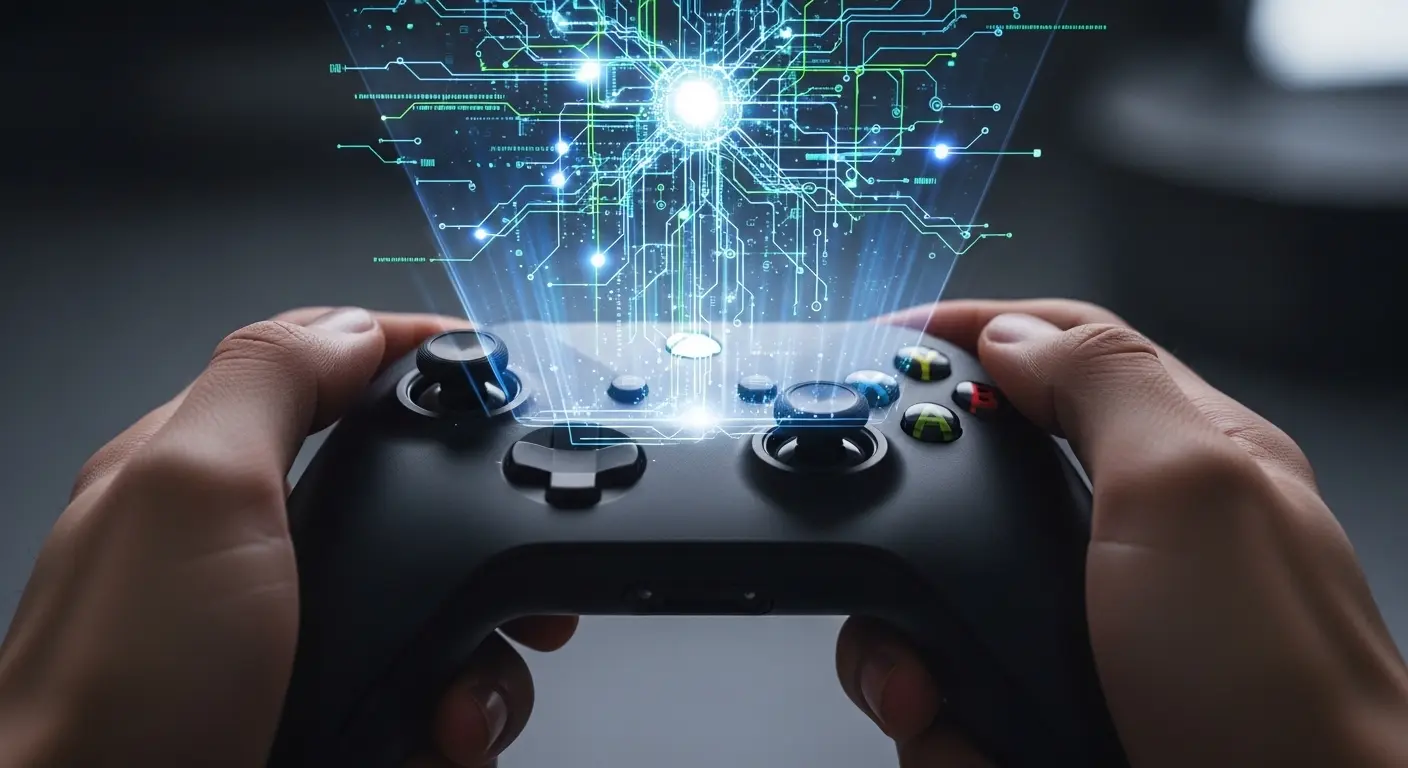
Microsoft AI Xbox technology aims to change the fundamental nature of gaming frustration by literally playing the game for you. A newly surfaced patent titled “State Management for Video Game Help Sessions” describes a sophisticated system where a cloud-based artificial intelligence intervenes when a player hits a skill wall. This isn’t just a simple tutorial or a video guide; it is an active takeover of the game state that allows an automated assistant to navigate difficult sections before handing the controller back to the human user.
Why Microsoft AI Xbox Secrets Change How You Play Games
Microsoft filed this ambitious patent to address the growing gap between complex game design and casual player accessibility. According to reports from Wired, the system functions by monitoring player performance in real-time. If the software detects a cycle of repeated failure—such as failing to clear a jump in a platformer or losing a race ten times in a row—it triggers a contextual pop-up. This notification offers to let an AI “pilot” navigate the specific hurdle that caused the frustration.
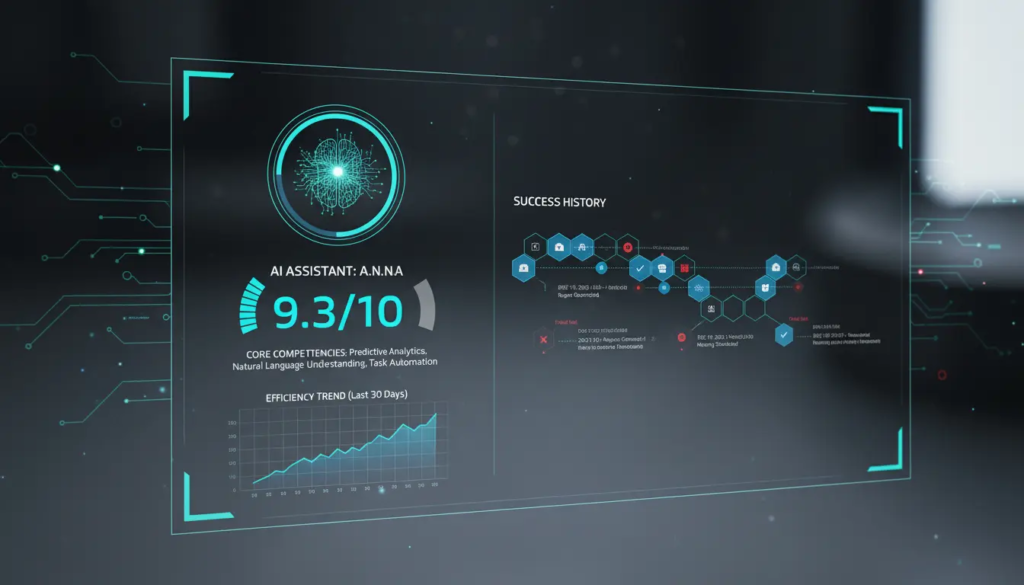
The underlying technology relies on the Xbox cloud gaming strategy to process the gameplay inputs remotely. Because the AI lives on the server side, it doesn’t require the local console to perform heavy lifting for the machine learning models. Once the player accepts the help, the AI executes the necessary movements, clears the obstacle, and then prompts the player to resume control. This creates a seamless transition that keeps the player moving through the narrative without the need to quit the game in anger.
Beyond Simple Macros: A Smarter Assistant
This Microsoft AI Xbox feature goes significantly further than the “Super Guide” features seen in older Nintendo titles. The patent documentation, discovered by TechCrunch, reveals that the system tracks the specific points of failure. If you consistently miss a specific apex in a racing game, the AI identifies that exact coordinate and optimizes its assistance for that moment.
Furthermore, the system offers incredible flexibility in how you consume this help. You can stop the AI at any time if you feel you have regained your composure. You also have the choice to start exactly where the AI finished or use the AI’s successful run as a “ghost” to learn the correct path yourself. Microsoft clearly wants to balance the “easy win” with an educational component that helps players actually improve their skills over time.
The Rise of the Human “Mercenary” Helper
One of the most shocking revelations in the patent is that Microsoft isn’t just looking at algorithms. The documentation outlines a marketplace or “asistant” pool that includes real human players. In this scenario, an expert player—perhaps a high-ranking Xbox Insider—could receive a notification that someone needs help with a boss in an RPG.
This human-to-human assistance would operate similarly to the AI takeover. The expert takes control of the session remotely, defeats the enemy, and earns a rating or potentially digital rewards for their service. This turns gaming into a collaborative gig economy, where skilled veterans help newcomers bypass the “grind” of modern live-service titles. As noted by Engadget, this could redefine the social fabric of the Xbox ecosystem, moving it toward a more mentorship-based community.
Microsoft vs. Sony: The Battle for Game Accessibility
Microsoft is not the only titan exploring this space. Sony previously patented a similar “Ghost” AI system for PlayStation that serves as a visual guide to help players mirror successful movements. However, the Microsoft AI Xbox approach is more aggressive and interventionist. While Sony wants to show you the way, Microsoft is willing to walk the path for you.
This divergence highlights a massive shift in how platform holders view player retention. Every minute a player spends frustrated is a minute they might spend looking for a different game. By removing the friction of “getting stuck,” Microsoft ensures that users stay within the Game Pass ecosystem longer. While purists may argue that this “cheating” devalues the achievement of finishing a game, the consumer impact leans heavily toward accessibility. Players with physical disabilities or limited time can finally see the end of a 100-hour epic without hitting a brick wall of difficulty.
Technical Hurdles and the Future of Play
Implementing a Microsoft AI Xbox takeover system requires near-zero latency. If the transition between the player and the AI assistant stutters, the character could die before the AI even starts. This is likely why the patent emphasizes “State Management”—the ability to freeze the game’s logic entirely while the handoff occurs.
Microsoft originally registered the core ideas for this system in 2024, but the 2026 documentation suggests the tech is maturing. Whether this becomes a standard feature of the next Xbox hardware or remains a niche tool for accessibility, it signals a future where “beating” a game is no longer a matter of individual skill, but a collaborative effort between man and machine. The focus shifts from the struggle of the journey to the completion of the story.