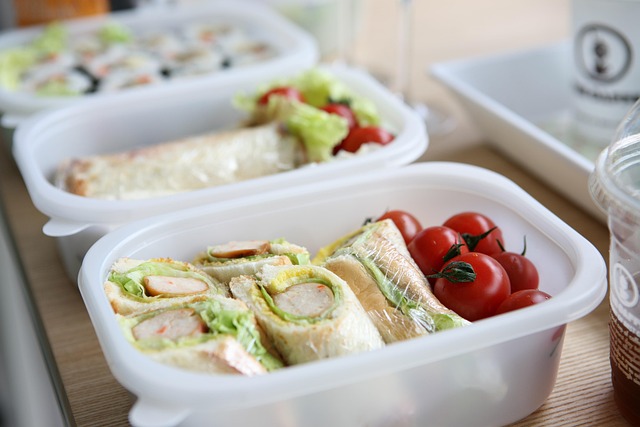
Mudik Food Secrets dictate the success of the annual Indonesian exodus, a migration that mirrors the ancient movements of spice traders across the archipelago. Long before modern highways connected the islands, sailors and merchants mastered the art of “bekal” or travel provisions to survive months at sea. Today, as millions embark on the journey home, the challenge remains the same: how to maintain flavor and safety in a humid, unpredictable environment. Ancient voyagers understood that moisture is the enemy, a principle that remains the foundation of modern food preservation during long-haul travel.
Why Mudik Food Secrets Redefine Your Annual Journey
Mudik Food Secrets prioritize the removal of moisture, a technique perfected by the Mongol horsemen who carried dried meat under their saddles. In the context of Indonesian travel, this means choosing “lauk kering” or dry side dishes. Items like abon (shredded meat), orek tempe (fried fermented soybean), and serundeng (spiced coconut flakes) offer a natural defense against microbial growth. These foods possess low water activity, which prevents bacteria from colonizing your meal during the grueling twelve-hour drive through Java or Sumatra.
Historical records from the Silk Road suggest that travelers relied heavily on dehydrated proteins to sustain their energy without the risk of food poisoning. You should follow this ancestral wisdom by avoiding any dishes prepared with santan (coconut milk) or heavy broths. While a rich chicken curry tastes divine at home, the high fat and water content in coconut milk turn it into a breeding ground for pathogens when left in a warm car. If you must bring something savory, ensure the spices include natural preservatives like turmeric and galangal, which ancient healers used for their antimicrobial properties.
Master the Airtight Seal
The industrial revolution introduced the world to the miracle of airtight storage, a critical component of our Mudik Food Secrets. Before Nicholas Appert perfected canning in the early 19th century, food spoilage claimed more lives than the journeys themselves. Today, you must utilize high-quality, BPA-free airtight containers to block oxygen. Oxygen fuels the oxidation of fats and the respiration of aerobic bacteria. By sealing your fried chicken or sambal in a vacuum-tight environment, you extend its shelf life by several hours.
Expert culinary guides at Bon Appétit emphasize that the quality of your container determines the longevity of your ingredients. Use containers with silicone gaskets to ensure no air leaks inside. This method also prevents the pungent aromas of garlic and shrimp paste from permeating your vehicle’s upholstery.
The Logic of Ingredient Segregation
Never mix your rice with your side dishes until the moment of consumption. This Mudik Food Secret draws inspiration from the Japanese bento tradition and the Dutch-Indonesian rijsttafel. When you combine moist rice with a protein, you create a cross-contamination bridge. The starch in the rice absorbs the oils and moisture from the meat, accelerating the fermentation process.
Pack your white rice in one container, your fried tempeh in another, and your sambal in a small, separate jar. This structural discipline maintains the textural integrity of the food. If you mix them prematurely, you invite a soggy, unappetizing mess that spoils twice as fast. For more on the science of food storage, Michelin provides rigorous standards that travelers can adapt for personal use.
Thermal Management and Modern Cooling
While our ancestors used salt and smoke, modern travelers use ice gels and cooler boxes. For items like cut fruit or dairy, a stable temperature is non-negotiable. Place your cooler box in the coolest part of the car, away from direct sunlight or engine heat. Ice gels outperform loose ice because they do not melt into a puddle that can contaminate your food packaging.
This approach reflects the evolution of the “cold chain,” a logistics marvel that keeps global food supplies safe. According to Food & Wine, the ability to control temperature changed the way humans explore the planet. By maintaining a temperature below 40°F (4°C), you effectively put bacterial growth into a deep sleep.
Hydration and Nutritional Equilibrium
A successful journey requires more than just solid food; it requires a strategic hydration plan. Carry a high-capacity tumbler to ensure a constant supply of water. Dehydration leads to fatigue and poor decision-making on the road. Avoid sugary sodas, which cause energy crashes. Instead, look toward the historical use of herbal infusions or plain water to keep the body in peak condition.
Pair your hydration with tactical snacks like whole nuts or fruit. These items require zero preparation and offer sustained energy release. This method mirrors the Related Topic of survival rations used by explorers in the 18th century. By balancing carbohydrates, proteins, and vitamins, you ensure your body handles the stress of travel without the “food coma” associated with heavy, greasy roadside meals.
The Hygiene Protocol
The final Mudik Food Secret involves the preparation phase. Contamination often starts in the kitchen, not on the road. Wash your hands, sterilize your containers, and ensure all meats reach the proper internal temperature before packing. Ancient spice traders knew that a clean ship was a healthy ship; the same applies to your kitchen and your car. Use hand sanitizer or wet wipes before touching any food during your transit.
Following these historical and scientific guidelines transforms your Mudik experience. You no longer worry about the “shocking” possibility of food poisoning. Instead, you enjoy a portable feast that honors the rich culinary history of the Indonesian archipelago. Proper planning, ingredient selection, and temperature control guarantee that your homecoming remains a celebration of flavor rather than a medical emergency. For further reading on the evolution of travel meals, visit Eater to see how the lunch box changed history.
Discover the latest food trends, recipes, and culinary news by exploring our coverage here.