
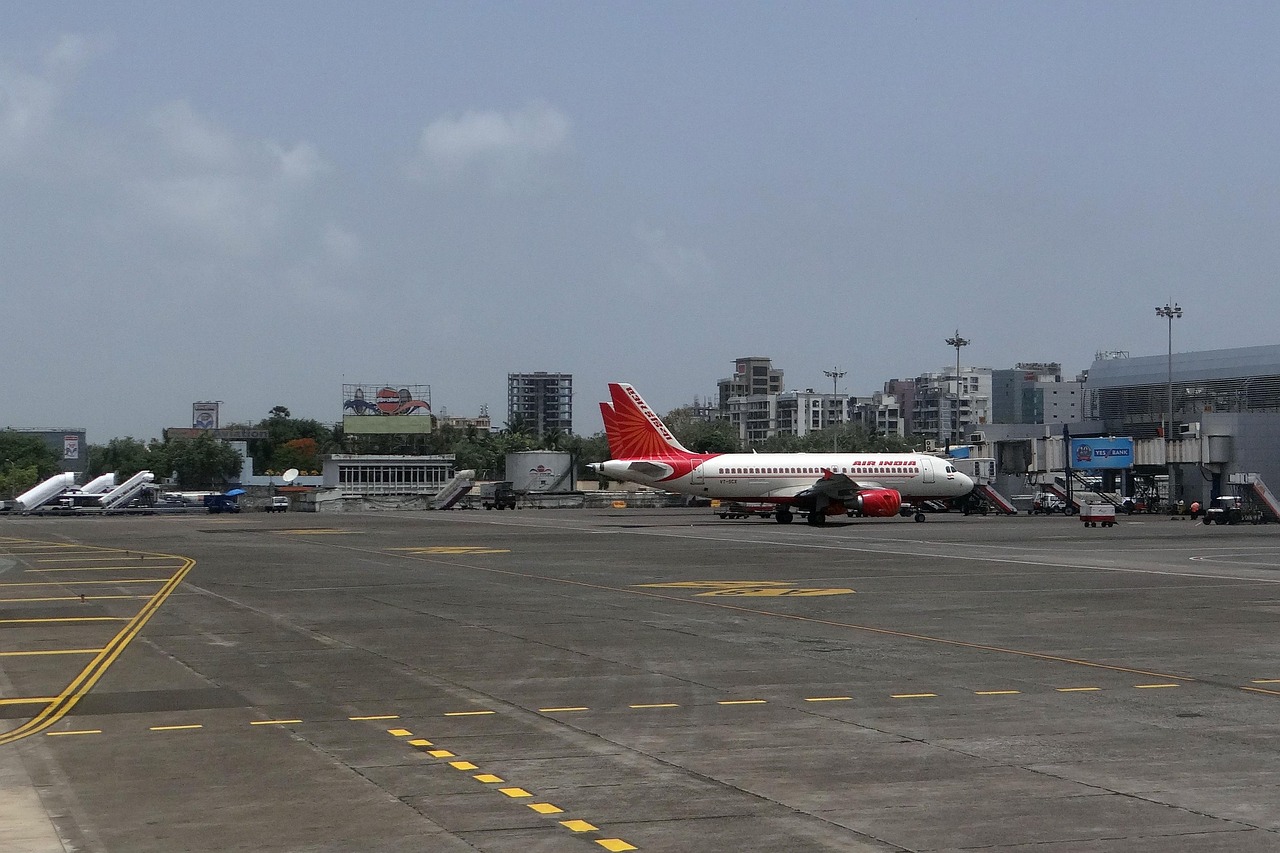
The humid night air of Mumbai carries a scent of salt from the Arabian Sea. It also carries the electric hum of a city that refuses to sleep. For travelers inside the shimmering glass walls of Chhatrapati Shivaji Maharaj International Airport (BOM), the atmosphere usually suggests high-end efficiency. However, on the night of Tuesday, February 3, 2026, a sudden event shattered that rhythm. A “metal kiss” between two giants of the sky served as a jarring reminder of aviation risks. Consequently, this incident has returned the spotlight to Mumbai airport ground safety and the logistical pressures of a busy market.
Why Mumbai Airport Ground Safety Matters During Collisions
The incident unfolded on the taxiways of Mumbai’s international gateway. Specifically, it was a “ground rash” event involving two workhorses: an Air India Airbus A320 and an IndiGo A320. According to the official DGCA report, the sequence began as Air India flight AI2732 maneuvered toward taxiway M4. At the same time, IndiGo flight 6E 791 was merging at taxiway B1 after arriving from Hyderabad.
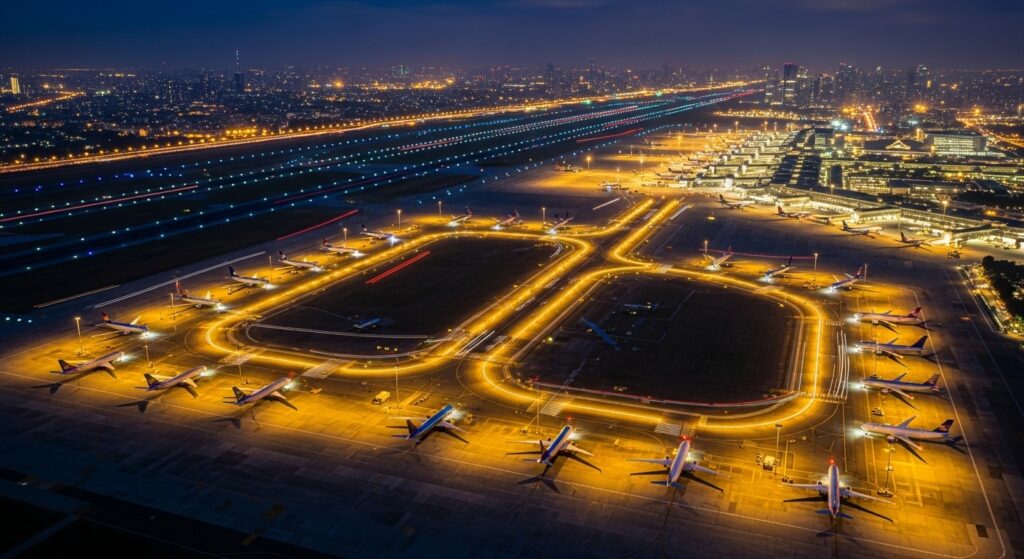
In the dark of the night, the unthinkable happened. The wingtips of the two aircraft made contact. While the speed was low, the lateral impact caused significant structural damage. Air India confirmed that the wingtips brushed against each other. Therefore, both planes became unairworthy immediately. This collision highlights why maintaining strict Mumbai airport ground safety protocols is vital for every departure.
The Sensory Shift: From Anticipation to Stasis
For the passengers, the experience was about psychological disruption rather than technical mechanics. Travel represents a transition of state. On flight AI 2732, passengers were likely settling in and adjusting their pillows. Suddenly, a jolt changed the environment. The low-frequency hum of a pre-flight cabin turned into a tense, confusing silence. You can read more about our [internal link on luxury travel protocols] to see how airlines handle such transitions.
However, the human element of aviation shines during these moments. Mechanical failure makes the news, but the recovery defines the luxury experience. Air India and IndiGo ground teams took immediate action. They transitioned from routine operations to crisis management. Furthermore, cabin crews evacuated passengers safely. This success proves the value of rigorous training. Teams quickly organized alternative flights to minimize the disruption of the city’s productive heartbeat.
Analyzing the Mumbai Airport Ground Safety Investigation
To understand this incident, one must look at the broader Indian aviation sector. India is witnessing an unprecedented boom in air travel. Airlines are ordering hundreds of new aircraft. Chhatrapati Shivaji Maharaj International Airport remains the epicenter of this growth. Despite being an architectural marvel, it operates on a constrained geographical footprint.
Investigators will now focus on cockpit situational awareness and ground control coordination. This investigation directly impacts the future of Mumbai airport ground safety. On a deeper level, the incident reflects the daily “stress tests” of modern infrastructure. Travelers trust a massive, invisible web of data and human vigilance. When that web snags, it creates a ripple effect. Nevertheless, airport authorities kept the terminal running normally. This operational resilience speaks to the maturity of Mumbai’s management.
The Future of Precision on the Tarmac
What makes this incident interesting for the modern luxury traveler? It proves that the “ground game” is as important as the flight itself. We are currently seeing a rise in automated taxiing systems. In addition, enhanced ground radar helps prevent wingtip strikes. These technologies are essential for improving Mumbai airport ground safety.
For the luxury traveler, safety remains the ultimate amenity. This event serves as a case study for the industry. Investment in ground infrastructure and pilot training is critical. It is not just about the champagne in first class. It is about the assurance that every inch of a 117-foot wingspan is accounted for.
The night of February 3rd ended with passengers reaching their destinations late. For the industry, the work continues. The regulator’s investigation will peel back the layers of this encounter. This process ensures that the next time two planes meet in Mumbai, they pass each other safely in the night.