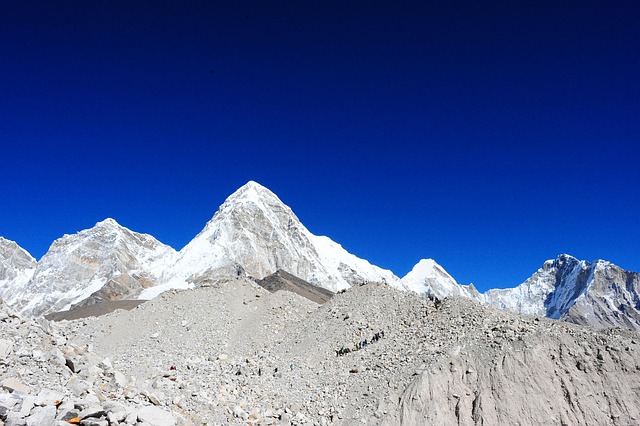
The silhouette of the Himalayas has long been the ultimate siren song for the world’s most ambitious souls. For decades, the journey to the “Roof of the World” has been perceived as the pinnacle of human endurance, a feat of luxury and grit combined. However, the majesty of the peaks has recently been overshadowed by the sobering realities of overcrowding and environmental strain. In a decisive move to preserve both human life and the sanctity of the slopes, Nepal is set to implement a transformative legislative framework that will redefine the ethos of high-altitude mountaineering for generations to come.
Nepal Introduces Stricter Prerequisites for Everest Hopefuls
According to reports from The Kathmandu Post, the upper house of Nepal’s National Assembly has unanimously approved a landmark tourism bill. This legislation, expected to be finalized by the House of Representatives following the March general elections, introduces a mandatory prerequisite that will fundamentally alter the demographic of Everest expeditions. If passed, aspiring climbers will no longer be permitted to attempt the 8,848-meter summit without first proving their mettle on a different stage. Specifically, permits for Everest will only be granted to those who have successfully summited at least one other peak in Nepal with an altitude exceeding 7,000 meters.
This shift is a direct response to the increasing number of “novice” climbers who, fueled by ambition and significant financial resources, often lack the technical expertise required for such a treacherous ascent. By mandating a 7,000-meter “warm-up,” the government aims to ensure that every individual on the mountain possesses a foundational understanding of thin-air survival and technical climbing. For those planning their next grand adventure, consulting a Lonely Planet guide to Nepal’s lesser-known peaks may now be the first step toward the ultimate goal.
Prioritizing Wellness and Safety in the Death Zone
The physical toll of Everest is legendary. The journey from Base Camp typically spans 70 days, a period defined by sub-zero temperatures, oxygen-depleted air, and the constant threat of avalanches. To mitigate the rising frequency of medical emergencies, the new bill requires all climbers to submit a comprehensive, up-to-date health certificate. These documents, along with a detailed expedition plan, must be vetted by the Department of Tourism before any permit is issued.
The legislation also addresses the somber reality of those who do not return. In a move to provide clarity for families and insurance providers, the bill establishes a formal one-year timeline for declaring a missing climber deceased. This consolidation of emergency protocols is a vital step in professionalizing the rescue and recovery efforts that are often coordinated through platforms like TripAdvisor and local agencies for logistical support.
A New Era of Environmental Stewardship
Beyond human safety, the environmental integrity of the Himalayas is a central pillar of the new regulations. For years, the “world’s highest graveyard” has also been criticized for becoming the world’s highest landfill. Since 2014, Nepal has required climbers to bring back at least eight kilograms of waste or forfeit a $4,000 deposit. The new bill proposes a more permanent solution: transforming this refundable deposit into a non-refundable conservation fee.
This dedicated fund will support the newly proposed Environment Protection Unit and a Mountaineer Welfare Fund, ensuring that the local Sherpa communities and support staff are fairly compensated and that the mountain is cleaned systematically. As noted by Conde Nast Traveler, the trend toward “regenerative travel” is becoming a requirement rather than a suggestion in fragile ecosystems.
The Future of Himalayan Luxury Expeditions
For the elite traveler, these changes represent a shift toward a more exclusive, expert-driven experience. The era of the “tourist climber” is waning, making room for a more respectful and prepared class of mountaineers. This evolution aligns with our own luxury expedition guide, which emphasizes quality of experience over the mere pursuit of a summit photo.
As National Geographic has frequently documented, the history of Everest is one of triumph and tragedy. With over 300 lives lost on its slopes—including five in 2025 alone—the necessity for these reforms is undeniable. By enforcing these new standards, the government of Nepal is not closing the door to the world’s highest peak; rather, it is ensuring that those who walk through it are worthy of the challenge and that the mountain remains a pristine monument to human aspiration for centuries to come.
For more breaking travel news and updates, click here to explore our latest coverage.