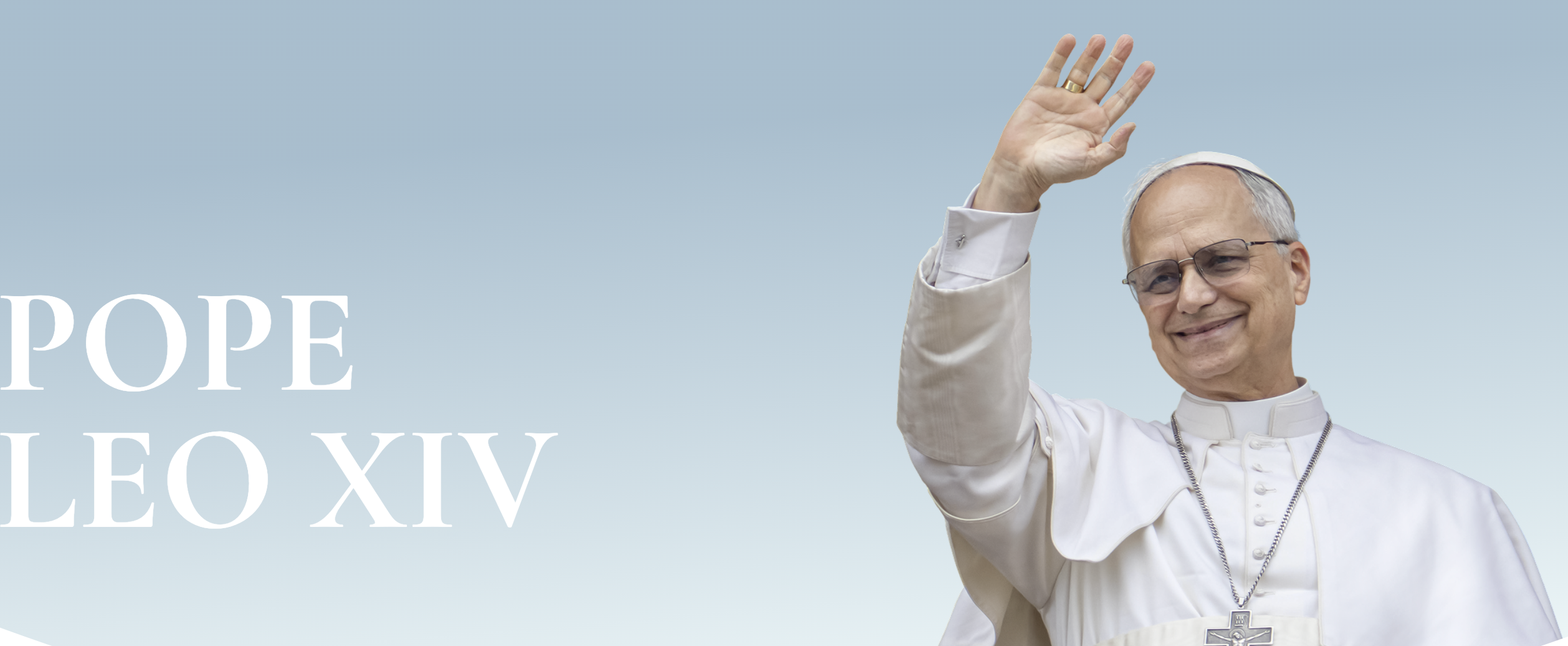
In a significant move that highlights the growing tension between ancient tradition and modern technology, Pope Leo XIV has officially called upon the clergy to resist the temptation of using artificial intelligence (AI) in their spiritual duties. During a private gathering with priests from the Diocese of Rome, the Pontiff specifically targeted generative AI tools like ChatGPT, warning that relying on machine-generated scripts for homilies threatens the very essence of the ministerial calling. This directive comes at a time when religious institutions globally are grappling with the ethical implications of automation and the preservation of human-centric worship.
Pope Leo XIV and the Sanctity of Human Faith
The core of the Pontiff’s argument rests on the belief that a homily is not merely a lecture or a transfer of information, but a profound “sharing of faith.” According to Pope Leo XIV, this is a uniquely human endeavor that no algorithm, regardless of its sophistication, can replicate. In his address, he noted that while AI can synthesize vast amounts of theological data and produce grammatically perfect texts, it lacks the “soul” and the lived experience required to connect with a congregation on a spiritual level.
“Giving a homily is sharing faith, and artificial intelligence will never be able to share faith,” the Pope stated firmly. This sentiment echoes concerns raised by other global leaders regarding the “dehumanization” of communication. As reported by Reuters, the Vatican has been increasingly vocal about ensuring that technology remains a tool for human development rather than a replacement for human agency.
The Risk of Intellectual and Spiritual Atrophy
Beyond the theological implications, Pope Leo XIV utilized a biological metaphor to describe the dangers of over-reliance on technology. He compared the human intellect to a muscle, warning that if it is not exercised through the rigorous process of reflection, prayer, and writing, it will eventually wither.
“Like all muscles in the body, if we do not use them, if we do not move them, they die,” the Pope explained. “The brain needs to be used, so that our intelligence must also be trained a little so as not to lose this ability.” By outsourcing the creation of sermons to AI, the Pope fears that priests may lose the capacity for deep critical thinking and the personal spiritual struggle that often informs the most moving homilies. This warning is part of a broader discourse on how theology and technology clash in the 21st century, where convenience often competes with contemplative practice.
A Selective Approach to Vatican Technology
Despite the firm stance against ChatGPT in the pulpit, the Vatican is not entirely technophobic. Under the guidance of Pope Leo XIV, the Church has adopted a nuanced, selective approach to digital tools. For instance, the Vatican recently announced plans to implement AI-driven systems to provide real-time translations of liturgical texts during international events. This distinction—using AI for logistical translation versus creative spiritual production—highlights a sophisticated understanding of the technology’s limitations.
According to the BBC, this “middle path” seeks to harness the efficiency of AI for administrative and accessibility purposes while protecting the “human heart” of the Church’s mission. The Pope’s recent comments also touched upon the “illusion” of social connection on the internet. He warned that “likes” and follower counts are often mistaken for genuine spiritual community, a theme frequently explored by the New York Times in their coverage of modern digital sociology.
The Global Implications for Religious Leaders
The directive from Pope Leo XIV is likely to resonate far beyond the walls of the Vatican. As AI becomes more integrated into daily life, leaders of various faiths are facing similar dilemmas. Should a rabbi use AI to research the Talmud? Should an imam use it to structure a Friday Khutbah? The Pope’s stance provides a clear ethical framework: technology should facilitate the message, but it must never become the author of the message.
As noted by AP News, the debate over AI in the pulpit is part of a larger conversation about “algorithmic bias” and the potential for machines to misinterpret complex religious nuances. By emphasizing the “sharing of faith” as a non-transferable human act, the Pope is setting a precedent for how traditional institutions might survive and thrive in an automated age.
In conclusion, the message from Pope Leo XIV serves as a call to return to the roots of the vocation. By urging priests to “train their intelligence” and avoid the “easy path” of AI-generated content, the Church seeks to ensure that the relationship between the pastor and the flock remains grounded in authentic, lived experience. In an era where machines can mimic almost any human output, the Vatican is betting on the irreplaceable value of the human spirit.