In the annals of culinary history, the transition from the primitive icebox to the gleaming electric refrigerators of the 1920s was hailed as a triumph of modern science. No longer were we beholden to the local “iceman” or the precarious coolness of a cellar. However, as we moved toward convenience, we often sacrificed the nuanced understanding of thermodynamics. Today, the modern kitchen is a marvel of efficiency, yet many of us fall victim to a common architectural trap: refrigerator door storage. While those sleek shelves built into the door seem like the height of organizational prowess, they are, in fact, the most volatile microclimates in your kitchen, threatening the integrity of the ingredients we hold dear.
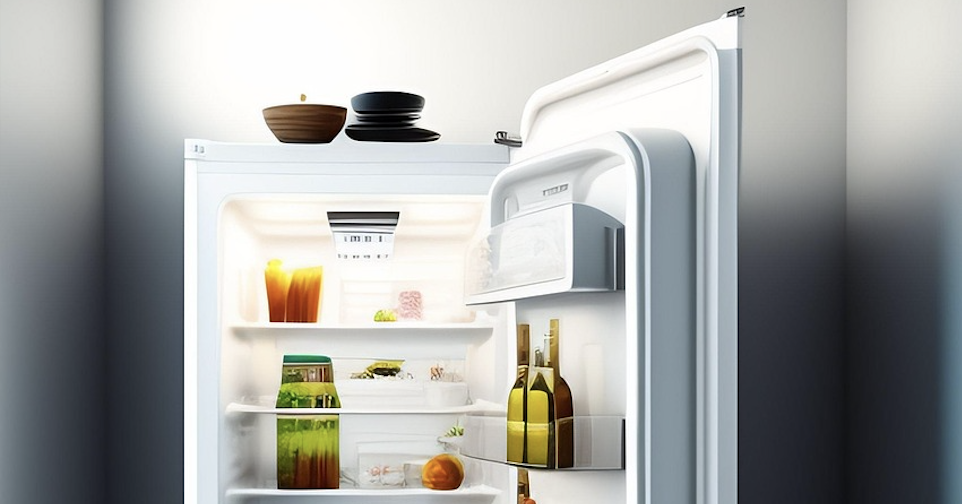
The Thermodynamics of Refrigerator Door Storage
To understand why the door is a danger zone, one must look at the history of food preservation. For centuries, the “cold larder” was a static environment. In contrast, the modern refrigerator door is constantly in motion, swinging open into a warm kitchen dozens of times a day. This mechanical movement creates a “thermal bridge,” where the internal temperature spikes every time the seal is broken. According to experts at Bon Appétit, these fluctuations are the primary enemy of shelf-life, particularly for items that require a steady, icy environment to ward off microbial growth.
1. The Dairy Dilemma: Why Milk Demands the Depths
We have been conditioned by decades of television commercials to reach for a gallon of milk tucked neatly into the door. Yet, this is perhaps the most egregious error in modern food management. Milk is highly sensitive to “temperature cycling.” When stored in the door, the liquid is subjected to a constant seesaw of warmth and cold, which accelerates the proliferation of lactic acid-producing bacteria.
To maintain the pristine quality required for a perfect béchamel or a simple morning latte, the U.S. Dairy association recommends moving your cartons to the very back of the middle or lower shelves. This area acts as the refrigerator’s “arctic core,” providing the most consistent temperature. For those interested in the science of dairy preservation, Food & Wine offers extensive guides on maintaining the delicate proteins in high-end dairy products.
2. The Egg Myth: Beyond the Built-in Tray
Many refrigerator manufacturers include a molded plastic egg tray specifically for refrigerator door storage. It is a classic example of design over function. Historically, eggs were stored at room temperature in many European cultures, but in the modern American or sanitized kitchen, refrigeration is key to preventing Salmonella.
The American Egg Board warns that the door’s constant movement and temperature shifts can cause the egg’s internal protective membranes to break down faster. For the best results, keep your eggs in their original cardboard carton on an interior shelf. The carton is not just packaging; it is a structural barrier that prevents the porous shells from absorbing odors like onions or garlic from the rest of the fridge.
Cross-Contamination and the Meat Risk
If there is one area where the “Gilded Fork” philosophy refuses to compromise, it is the handling of raw proteins. The history of the “cold chain” in the meat industry is what allowed for the rise of fine dining globally. However, that chain often breaks in the home kitchen.
3. Raw Poultry and Meat: A Recipe for Disaster
Storing raw chicken or steaks in the door is a catastrophic mistake. Not only is the temperature insufficient to keep pathogens at bay, but the physical act of opening and closing the door can cause “drip-loss.” This is when the juices from the meat—which may contain harmful bacteria—leak out. In the door, these fluids can easily splash onto nearby condiments or ready-to-eat snacks.
The gold standard for meat storage is the bottom shelf. This follows the professional kitchen logic used in Michelin-starred establishments: store the most “hazardous” items at the lowest point to prevent cross-contamination. Always ensure your proteins are in a secondary container to catch any potential leaks. For more on safe kitchen layouts, see our guide on preserving culinary traditions in the modern age.
4. The Produce Paradox: Humidity vs. Convenience
While the door might seem like a handy place for a stray lemon or a bag of spinach, the lack of humidity control is a death sentence for fresh produce. The USDA notes that fruits and vegetables have varying respiration rates. Most modern refrigerators feature “crisper” drawers designed to manage this.
- High Humidity: Best for leafy greens that wilt easily.
- Low Humidity: Ideal for fruits that emit ethylene gas, like apples or pears.
By utilizing refrigerator door storage for produce, you are essentially placing your vegetables in a desert. The dry, fluctuating air will turn a vibrant kale into a yellowed, bitter remnant of its former self in a matter of days. As noted by Eater, the secret to the “farm-to-table” taste at home is often just better humidity management.
5. Cheese and Deli Meats: The Airflow Secret
Cheese is a living thing. From a sharp Cheddar to a pungent Roquefort, these items require a specific balance of cold and breathability. The door is often too warm for soft cheeses and too inconsistent for hard ones. Most refrigerators include a “deli drawer” or a “meat locker” which is a shallow bin that receives a direct jet of cold air. This is the intended home for your charcuterie and Fromage. This specialized airflow keeps the temperature slightly lower than the rest of the fridge without freezing the delicate fats in the cheese.
Conclusion: Reclaiming the Cold
The history of the kitchen is a story of our attempt to master time by slowing decay. By rethinking our reliance on refrigerator door storage, we honor the ingredients we bring into our homes. Reserve the door for what it was truly meant for: high-acid condiments, pickles, and processed sauces that possess the chemical fortitude to withstand the “thermal bridge.” Your milk will stay sweeter, your eggs will stay fresher, and your culinary creations will reflect the care you take in their preservation.