
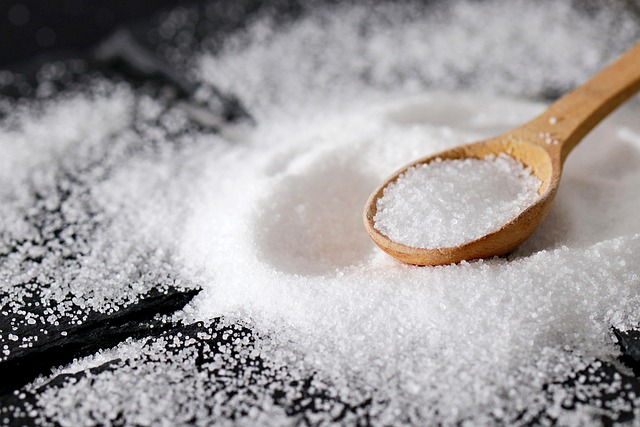
Saltwater vegetable wash offers a historical solution to a modern chemical problem that plagues our kitchens today. Long before the advent of synthetic sprays and industrial agriculture, ancient civilizations viewed salt—Homer’s “divine substance”—as a tool for both preservation and purification. In the contemporary landscape of the “Gilded Fork,” where we demand excellence in every bite, the presence of invisible neurotoxins on our kale and apples remains an unacceptable reality. While industrial farming feeds the masses, it leaves behind a legacy of pesticide residue that simple tap water cannot conquer.
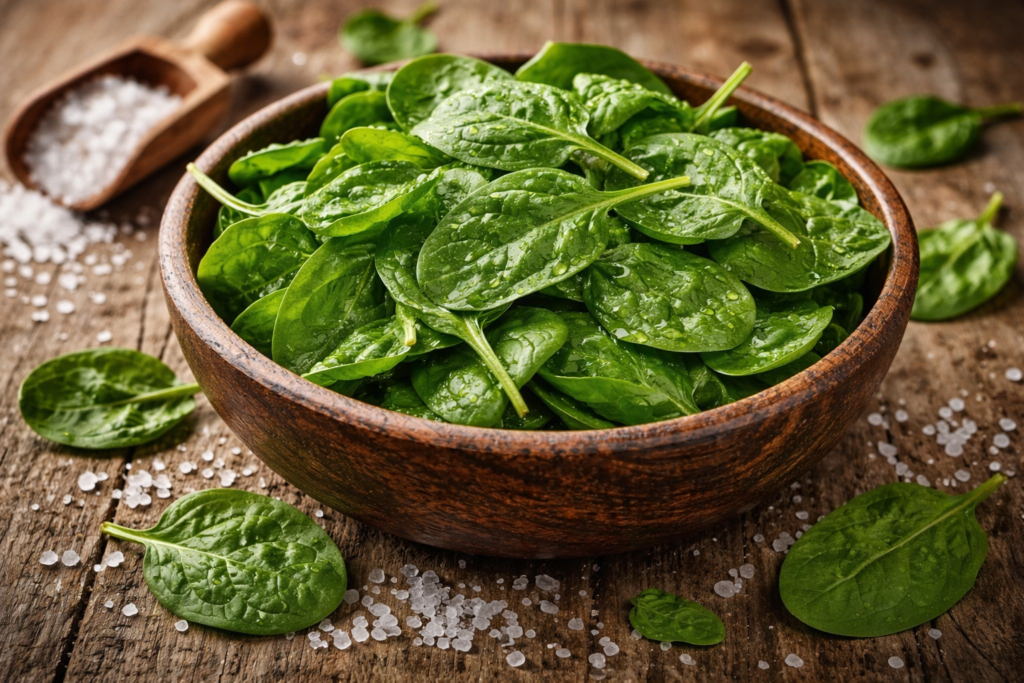
the destination described in this article.
Saltwater vegetable wash: 6 massive secrets to pure produce
The history of the kitchen is the history of defense against the unseen. In the 19th century, chefs used salt to draw out impurities from meat; today, we use a saltwater vegetable wash to strip away the complex chemical bonds of pesticides. Research from major culinary institutions suggests that high-salinity solutions effectively dislodge organophosphates and other agricultural chemicals that cling to the waxy cuticles of fruits. According to experts at Bon Appétit, the mechanical and chemical action of salt provides a superior clean compared to plain water.
1. The preliminary cold rinse
Before you introduce the salinity, you must remove the surface-level debris. Run your produce under cold, high-pressure water to clear away the soil of the fields and the dust of the transport trucks. This initial step prevents the saltwater solution from becoming a muddy slurry. It ensures that the salt can target the microscopic residues rather than getting trapped in clods of earth. Even the most prestigious kitchens featured in the Michelin Guide emphasize this foundational hygiene to maintain the integrity of the ingredient.
2. The master brine formulation
The secret to an effective saltwater vegetable wash lies in the ratio. You do not need a laboratory; you need a bowl and a spoon. For every one liter of clean, filtered water, add two tablespoons of high-quality salt. Stir the mixture until the crystals vanish, creating a clear, hypertonic solution. This brine mimics the ancient pickling liquids of the Mediterranean, designed to interact with the surface of the plant matter.
3. The temporal soak
Time is the most overlooked ingredient in the kitchen. Submerge your vegetables fully in the brine. Allow them to rest for exactly ten to fifteen minutes. This duration allows the salt to break down the surface tension of the pesticide oils. If you rush this process, you leave the toxins intact. If you soak for too long, you risk wilting the delicate cell structures of leafy greens. This balance of time and chemistry is a hallmark of Related Topic protocols that prioritize health without sacrificing the texture of the food.
4. Mechanical agitation and friction
A soak alone is a passive act; a chef must be active. While the vegetables sit in their saltwater vegetable wash, use your hands to gently agitate the water. Rub the skins of firm produce like peppers or tomatoes. For leafy greens, swirl them in a circular motion. This friction helps the salt crystals—even when dissolved—to scrub the crevices where chemicals hide. This technique mirrors how traditional French scullery maids cleaned root vegetables for the aristocracy, ensuring no grit or “off” flavors reached the master’s plate.
5. The final purification rinse
Once the salt has done its work, you must remove the salt itself. Lifting the vegetables from the brine reveals a cloudy water—the visible evidence of the pesticides and filth now detached from your food. Rinse the produce one final time under a steady stream of cold water. This removes the sodium residue, ensuring your strawberries do not taste like the sea and your lettuce retains its crisp, sweet profile. As noted in Food & Wine, failing to rinse thoroughly can alter the pH of your final dish.
6. Desiccation for longevity
The final secret of a successful saltwater vegetable wash is the drying process. Moisture is the enemy of shelf life. Use a salad spinner or clean linen towels to remove every drop of water before storage. Historically, drying was the only way to prevent rot in the larder. Today, drying your cleaned vegetables ensures that they stay fresh in the refrigerator for days longer than unwashed produce.
The risks of pesticide exposure—ranging from respiratory issues to chronic neurological disorders—make these six steps mandatory for the modern epicurean. By reclaiming the ancient power of salt, you transform your kitchen into a sanctuary of purity. You no longer serve “dirty” produce; you serve ingredients that have been historically cleansed and prepared for the highest level of culinary expression. No passive observer of health, the chef who masters the saltwater vegetable wash takes control of the plate’s history and its future.
Discover the latest food trends, recipes, and culinary news by exploring our coverage here.