The ancient Sufi monks of 15th-century Yemen first brewed the “Wine of Araby” to sustain their midnight vigils, yet they likely struggled with the same degradation of flavor that plagues modern enthusiasts who fail to master Samuel Klein Coffee preservation techniques. These early devotees understood that the volatile oils within the roasted bean represent the very essence of the plant’s energy. When those oils dissipate or oxidize, the beverage loses its historical vitality, transforming from a complex elixir into a bitter, one-dimensional liquid. To honor the heritage of the bean, one must treat storage not as an afterthought, but as a critical final stage of the culinary process.
Samuel Klein Coffee Storage Essentials for the Modern Kitchen
Samuel Klein, a renowned expert in the field, argues that the environment dictates the lifespan of a bean’s aromatic profile. People who love coffee often stockpile their favorite roasts to ensure a steady supply, but improper placement in the home leads to a rapid decline in quality. Klein identifies the primary enemies of freshness as light, heat, and moisture. According to his research, the ideal sanctuary for your stash remains a cool, dark, and dry location. This mirrors the storage philosophy found in the world’s most elite kitchens, where ingredients receive protection from the chaotic fluctuations of a working cookspace.
Historians often note that during the 17th-century coffeehouse boom in London, proprietors kept beans in heavy tin or lead-lined boxes to ward off the damp English air. Today, the physics remains the same. A kitchen cabinet located far from the oven or dishwasher provides the stable microclimate necessary to prevent premature staling. If you place your beans on a shelf near a window, the ultraviolet rays will accelerate the breakdown of chemical compounds, stripping the bean of its unique terroir.
The Science of the Airtight Seal
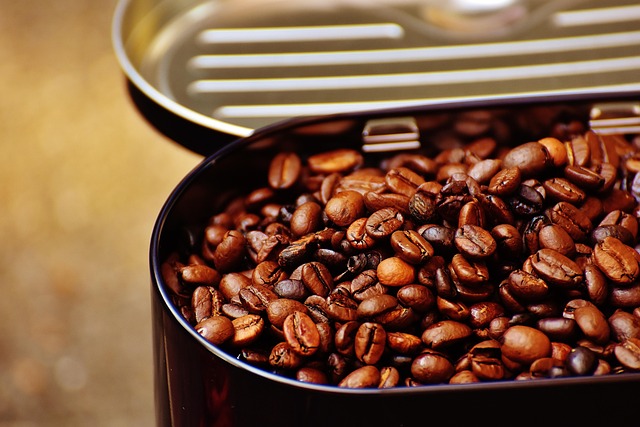
The structural integrity of the bean depends heavily on how you contain it. Klein emphasizes that “ziplock” bags or clean glass jars offer effective barriers against the atmosphere. When oxygen interacts with coffee, it triggers oxidation, the same process that turns an apple brown or rusts iron. For those seeking the pinnacle of preservation, the Food & Wine guide to bean chemistry suggests that vacuum-sealed canisters provide the most robust defense against the relentless march of time.
Consider the evolution of the coffee bag. Modern packaging often includes a one-way valve, a marvel of engineering that allows carbon dioxide to escape without letting oxygen enter. If you transfer your beans to a secondary vessel, ensure it maintains this standard of isolation. A glass jar looks aesthetically pleasing on a marble countertop, but unless it sits inside a dark pantry, it exposes the contents to light-induced degradation. Many professionals now prefer opaque ceramic crocks with silicone seals to marry form and function.
Why Your Stove and Refrigerator are Enemies
Many home cooks mistakenly leave their coffee on the counter near the stove for convenience. This proximity creates a hazardous environment where steam and rising temperatures fluctuate throughout the day. Heat excites the molecules within the bean, causing the delicate oils to migrate to the surface and evaporate. This loss is irreversible. Furthermore, the humidity generated by boiling water can introduce moisture into the container, leading to a sour or even rancid taste profile.
The refrigerator, often viewed as a bastion of freshness for produce, serves as a graveyard for coffee quality. Klein warns that moving coffee in and out of a cold environment causes condensation to form on the beans. This moisture acts as a solvent, extracting flavor before the bean ever reaches the grinder. Additionally, coffee acts as a natural deodorizer; it will greedily absorb the scents of onions, garlic, or leftovers stored nearby. To understand the delicate balance of flavor, one might look at the Michelin Guide notes on sensory purity, which highlight how easily external aromas can taint a high-end ingredient.
Historical Preservation and Modern Wisdom
In the era before vacuum sealing, merchants in the Ottoman Empire transported beans in heavy canvas sacks, but they prioritized rapid turnover to ensure freshness. Today, we have the luxury of technology, yet we often ignore the basic principles of physics. If you want to experience the full floral notes of a light roast or the deep chocolate undertones of a dark roast, you must respect the bean’s sensitivity.
Baristas often suggest buying only what you can consume within two weeks. This practice aligns with the Bon Appétit recommendation for maintaining a rotation of fresh supplies rather than hoarding. When you do store your beans, remember that the “cool, dark, and dry” mantra is not merely a suggestion—it is a requirement for anyone who takes the ritual of the morning cup seriously.
By avoiding the common pitfalls of the refrigerator and the sun-drenched windowsill, you preserve the historical legacy of the growers who labored to produce the crop. Proper storage honors their work and ensures that your daily brew remains a vibrant, aromatic experience. For more on the evolution of these techniques, explore our guide on Ancient Brewing Methods to see how far we have come in our quest for the perfect cup.
For more updates on similar news and trending global stories, visit our latest news section here.